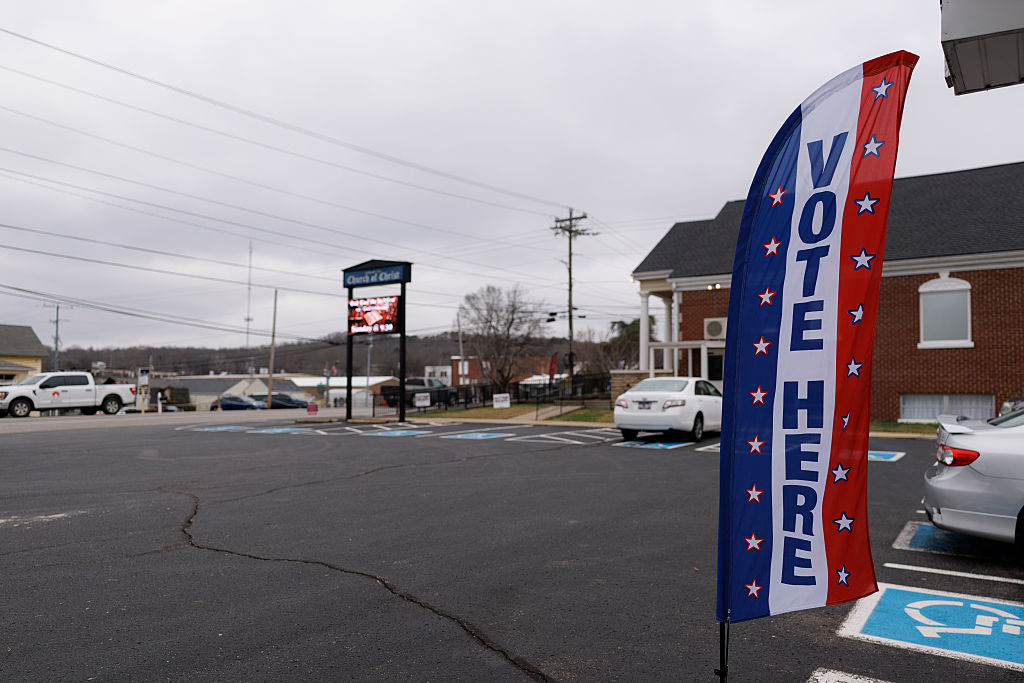
In a move that has stirred both anger and concern within the community, Tennessee’s state legislature recently unveiled a new congressional map that effectively dismantles Shelby County’s only majority-Black district, which includes the city of Memphis. Critics argue that this drastic reshaping of electoral lines is more than just a political maneuver; it’s a blatant attempt to dilute the voting power of Black residents in a state that has a history of racial gerrymandering. By carving up this district into three separate parts, the map threatens to weaken the representation of a population that has long fought for its voice in local and national politics.
Shelby County, with its rich cultural heritage and significant population of Black citizens, has been a focal point for civil rights activism and a bastion for Democratic values in a predominantly Republican state. The new map raises alarms about the potential for further disenfranchisement as it divides communities that share common interests and challenges. Advocates for voting rights have pointed out that these changes not only undermine the political power of Black residents but also ignore the social and economic realities that bind these communities together.
The timing of this announcement is particularly troubling, as many are still grappling with the implications of a post-2020 election landscape that saw record turnout among Black voters. The stakes are high, with upcoming elections being critical for shaping future local and national policies. Dismantling a majority-Black district could have ripple effects that extend beyond the immediate political climate, affecting everything from healthcare to education, which disproportionately impact Black communities.
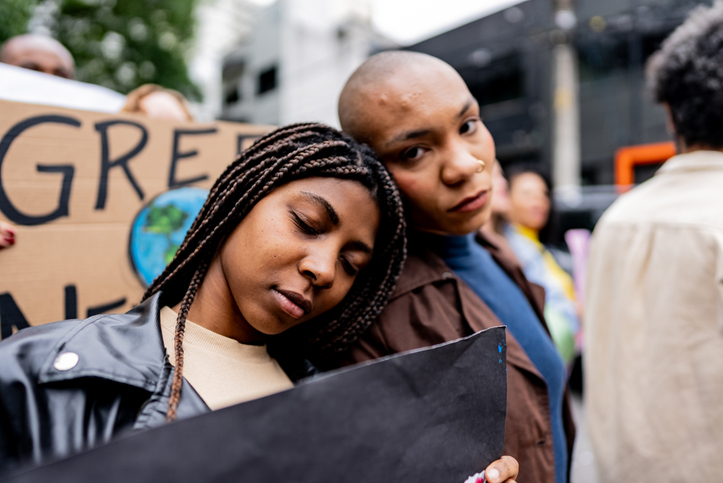
As the community rallies to respond, it’s clear that this is more than just a fight over district lines; it’s a battle for representation, equity, and justice. Residents and activists are gearing up for what could be a long and arduous fight to reclaim their political power and ensure that their voices are heard in the corridors of power. With historical precedence on their side, the question now remains: How will the people of Memphis and Shelby County mobilize to protect their community against this latest attempt at erasure?
About The Author