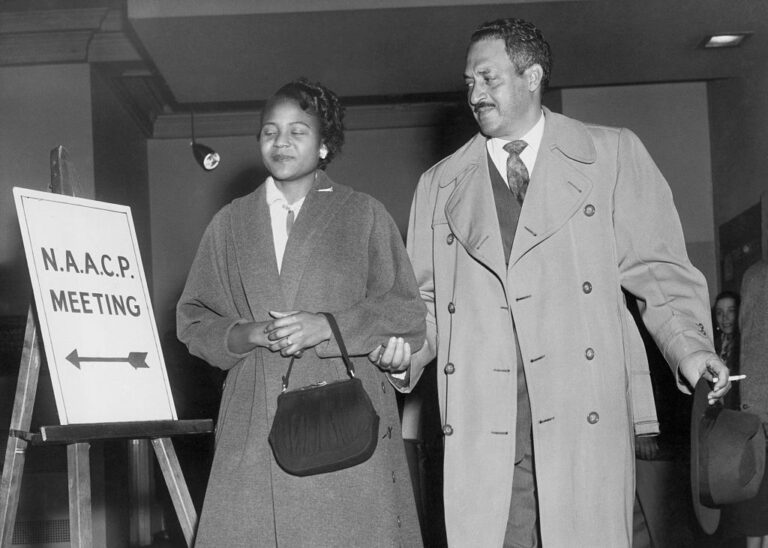
In a landmark ruling, a judge has determined that the recent cuts to grants by the Department of Government Enterprises (DOGE) under Elon Musk’s leadership were not only discriminatory but also unconstitutional. This decision comes on the heels of significant layoffs impacting over hundreds of thousands of federal workers, many of whom were directly connected to various civil rights organizations. The cuts were reportedly made with little transparency and raised serious concerns about their impact on marginalized communities. The ruling shines a light on the responsibilities of leadership in public service and poses critical questions about equity and accountability in government funding.
As we delve deeper into the ramifications of this decision, it’s clear that the cuts weren’t merely fiscal adjustments; they erased vital support systems for civil rights advocacy groups that have tirelessly worked to champion equality and justice. With Musk at the helm, many observers have criticized the decision-making process, arguing that it reflected a troubling disregard for the foundational principles of justice and equality that these organizations strive to uphold. The ruling is a powerful reminder that the welfare of communities should never be sidelined in the name of profit or efficiency.
This case also accentuates the growing intersection of tech and politics, where decisions made in corporate boardrooms can have profound implications on civil rights and social dynamics. The judge’s ruling could set a precedent that underscores the necessity of maintaining robust support for civil rights initiatives, particularly in an era where such organizations struggle to navigate an increasingly hostile political climate. As the dust settles, the conversation will likely pivot to how institutions can better safeguard against discriminatory practices in the future.
In a time when social equity is at the forefront of national discourse, this ruling could serve as a catalyst for change, prompting lawmakers and business leaders alike to reconsider their strategies and commitments. The balance between profit motives and social responsibility must be carefully navigated, and this case highlights the importance of vigilance in our collective pursuit of justice. As we continue to witness the unfolding impact of this ruling, it remains clear that the fight for civil rights is far from over. The hope is that this legal victory will inspire a renewed commitment to equity across all sectors, reinforcing the idea that justice must prevail, even in the face of corporate interests.
From The Source
About The Author