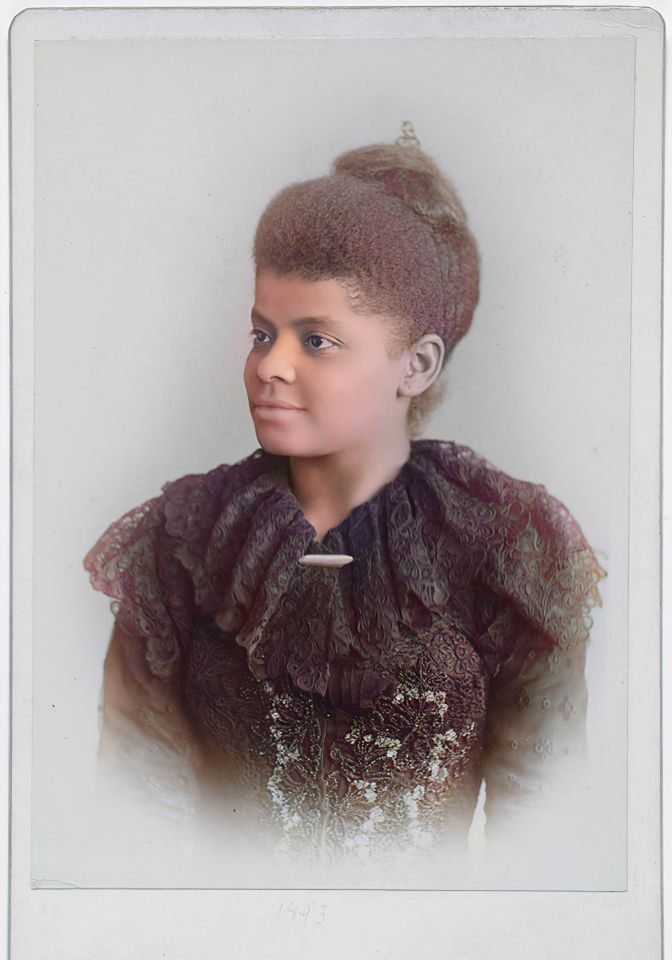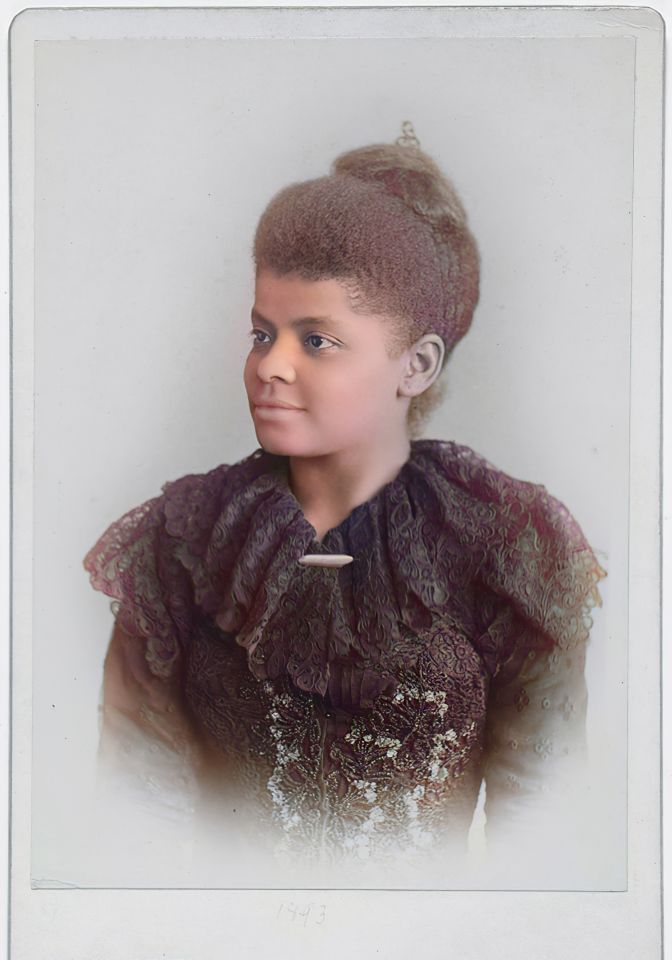
The recent incident surrounding the removal of a post on Threads by a Black journalist underscores a troubling reality in America: free speech has historically been a privilege reserved for a select few. As we look back at the rich tapestry of Black journalism, it’s clear that figures such as Ida B. Wells paved the way only to face relentless backlash. Wells, a formidable force in the fight against lynching, used her voice to expose the ugly truths of systemic racism. Yet, her work was often met with hostility, underscoring how the fight for justice has always been juxtaposed with the threat of silencing.
Fast forward to the digital age, and the mechanisms of suppression have merely evolved. Black voices continue to be targeted on platforms that claim to champion freedom of expression. The removal of content that challenges the status quo isn’t just about one post; it signifies a broader, insidious trend where Black narratives are systematically marginalized. This trend harkens back to the days of Wells, where speaking truth to power often came with dire consequences. The irony isn’t lost on us: in a nation that prides itself on free speech, so many Black journalists find their voices muted or erased.
The implications of this are profound, impacting not only the journalists themselves but also the communities they represent. When Black narratives are drowned out, society loses vital perspectives that are necessary for progress. The experiences and insights of Black Americans are not just stories; they are critical to understanding the full scope of what America is. As we navigate through the complexities of race, politics, and economics, we must recognize that silencing these narratives only serves to enshrine the status quo, leaving systemic injustices unchallenged.
Advocating for true free speech means standing up for all voices, especially those that have been historically oppressed. The struggle for Black journalists is more than a personal battle; it is a collective fight for the representation and recognition of Black humanity in all its facets. As we face the ongoing battle for civil liberties in this country, let us remember that the fight for free speech is not just about saying whatever comes to mind; it is about ensuring that all people, regardless of race, have the right to share their truths without fear of retribution. Because in America, free speech has never fully belonged to Black people, and that is a reality that we must work to change.
From The Source
About The Author