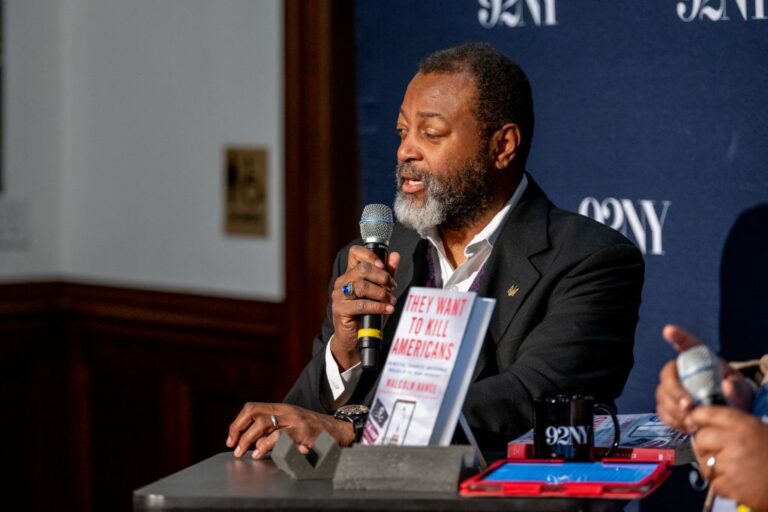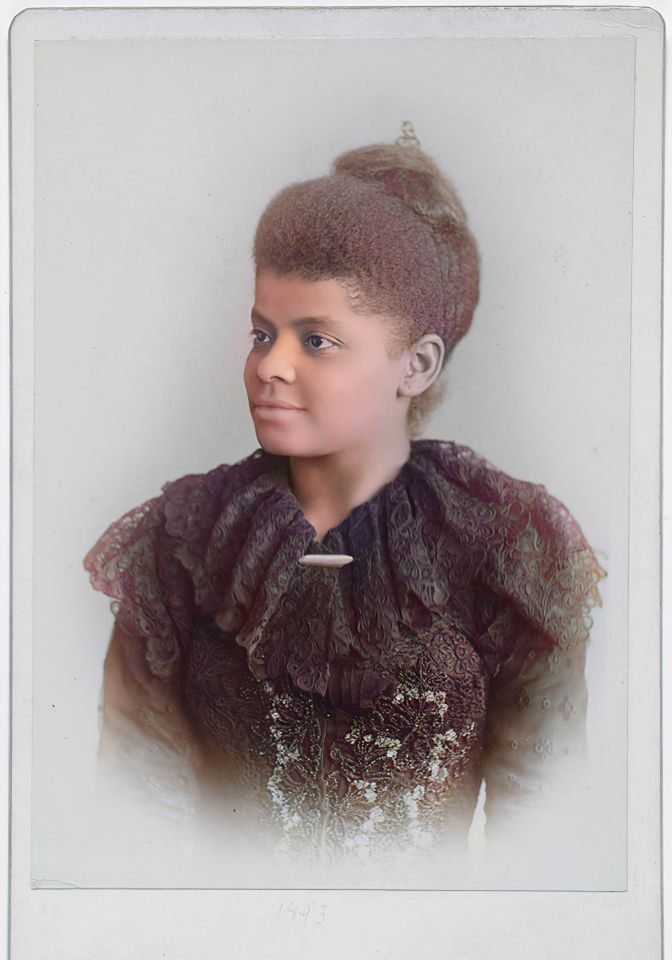
In America, the concept of free speech has always been a double-edged sword, particularly for Black people. Despite the foundational ideals that promise freedom of expression for all, the reality has often been starkly different, especially in the realm of journalism. A recent incident involving the social media platform Threads illustrates this ongoing struggle. A prominent Black journalist’s account was erroneously taken down, highlighting the precarious position of Black voices in the digital landscape. This incident may seem like just another tech mishap, but it underscores a broader pattern of silencing that has deep historical roots.
To understand this dynamic, we must look back at titans of Black journalism like Ida B. Wells, who bravely confronted the horrors of lynching and racial injustice in her time. Her tireless efforts to expose the truth often put her life in danger, yet she persisted, knowing that the freedom to speak was essential for liberation. Wells wasn’t just battling societal norms; she was fighting against a systemic effort to silence Black narratives. Fast forward to today, and we still see this battle playing out in various forms, from social media censorship to outright suppression in mainstream media outlets.
The digital age promised greater access to expression, yet it has simultaneously created new barriers. Platforms that claim to champion free speech can quickly turn into silencing agents, particularly when it comes to dissenting opinions or voices from marginalized communities. Black journalists and commentators often find themselves navigating a minefield of censorship and backlash, their messages diluted or outright removed. It’s a constant reminder that, even in a country that prides itself on free expression, that freedom can be selectively applied.
As we reflect on the significance of voices like Wells and the contemporary struggles faced by Black journalists today, it becomes clear that the fight for true free speech remains at the forefront of our cultural and political discourse. Every time a Black voice is silenced, we lose a part of our collective history and a vital perspective that is crucial for a comprehensive understanding of America’s story. This cultural and political battle is ongoing and requires solidarity and vigilance, as we continue to challenge the systems that aim to suppress the truth. In the face of adversity, Black voices will persist, shaping the narrative with resilience and authenticity, demanding the space they rightfully deserve.
From The Source
About The Author