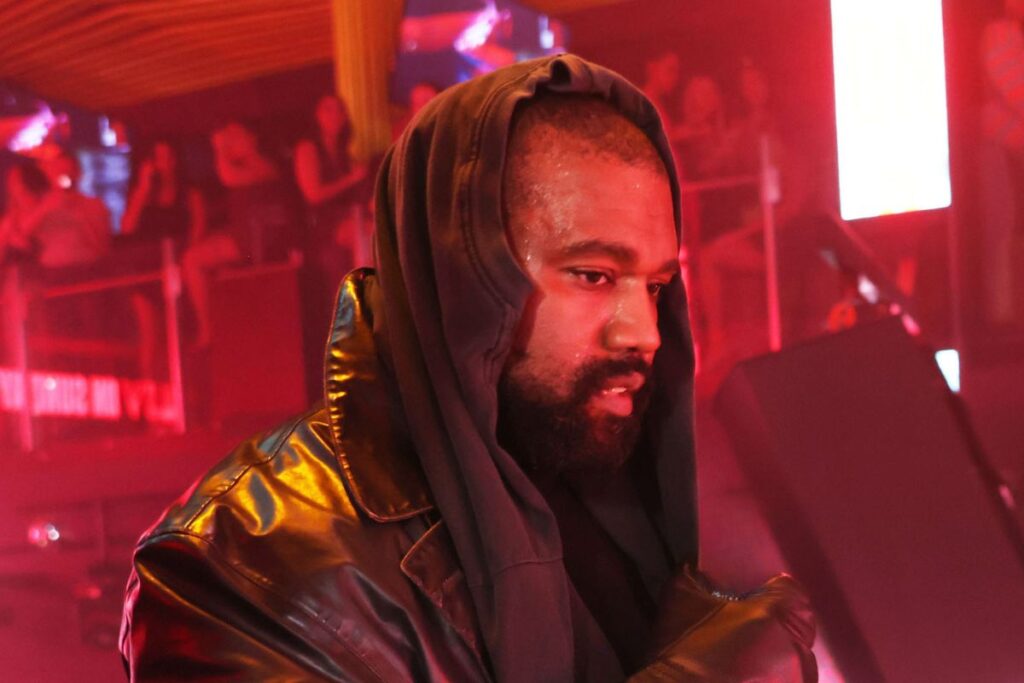
In the world of hip-hop, sampling has always been a double-edged sword. On one hand, it’s the lifeblood of the genre, allowing artists to pay homage to their influences while crafting something entirely new. On the other, it can lead to some serious legal wrangling when the proper permissions aren’t secured. Recently, Ye found himself in hot water after losing a six-figure copyright trial over an uncleared sample used in his Grammy-winning track, “Hurricane.” The final bill? A hefty $176,000. But here’s the kicker: this situation could actually be perceived as a win for Ye and the hip-hop community at large.
First off, let’s acknowledge the reality of the music industry: copyright disputes are part and parcel of the game. Ye’s $176,000 bill might seem steep, yet it’s a small price to pay for the visibility and conversation it brings to the issue of sampling in hip-hop. Far too often, artists are left to navigate the murky waters of copyright law without guidance, leading to misunderstandings and, sometimes, costly mistakes. By taking this case to court, Ye has spotlighted the challenges that many artists face when trying to honor their influences while innovating within the genre.
Moreover, this case represents a broader shift in how sampling is perceived and handled. The ruling affirms that artists need to be diligent about clearing samples, but it also sets a precedent for the industry. For up-and-coming artists, Ye’s experience serves as a lesson about the importance of legality in artistry. In a way, it’s a wake-up call for creatives to take the necessary steps to protect their work, ensuring that they don’t unintentionally find themselves in a similar predicament.
While some may view this legal battle as a setback for Ye, it’s an opportunity to engage in a larger discourse about accountability and respect in hip-hop. Sampling is an integral part of the genre’s foundation, and properly navigating it not only preserves artistic integrity but also nurtures the relationships that allow the culture to flourish. This case could lead to improved practices and better understanding in the future, ensuring that artists can create freely without the looming threat of legal repercussions. So, while Ye might be writing a check for $176,000, he’s also paving the way for a healthier ecosystem for hip-hop’s next generation—making this not just a loss, but a potential win for the culture at large.
From The Source
About The Author