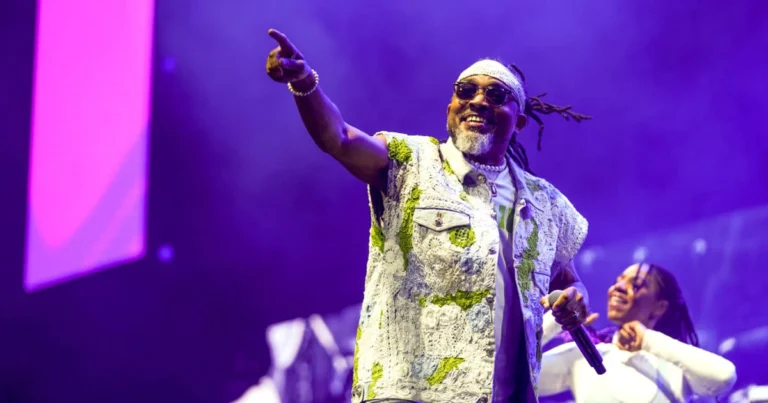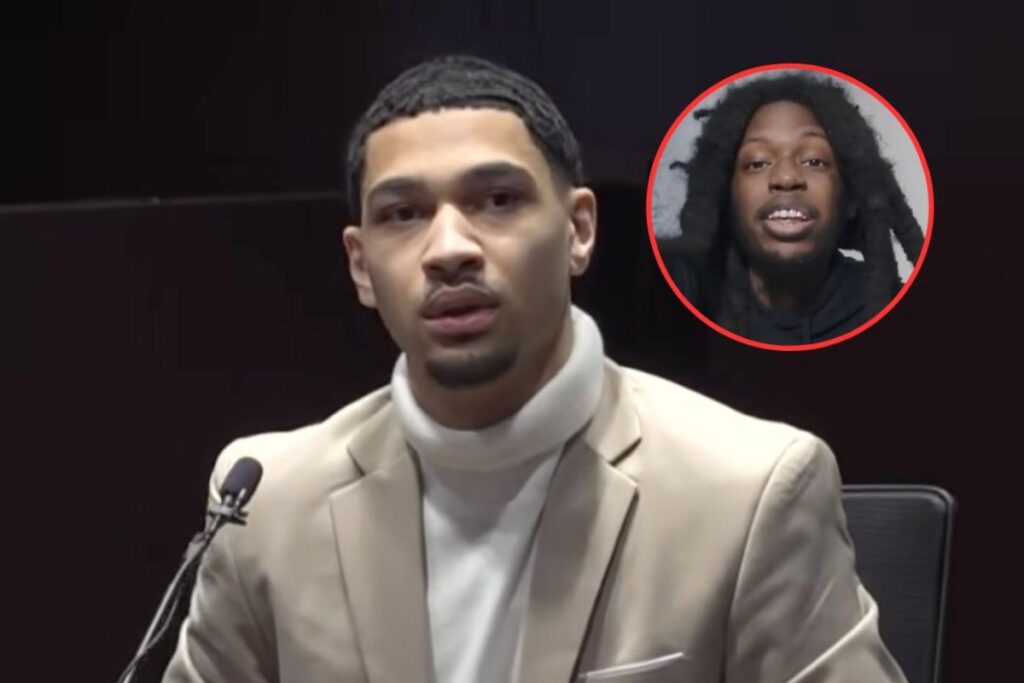
In a surprising turn of events, the man convicted of killing rising Jacksonville rapper Julio Foolio has publicly expressed remorse towards Foolio’s family ahead of his sentencing. This apology comes after a tumultuous court process that has seen both families torn apart by the violence that permeates the streets of Jacksonville. As communities continue to grapple with the impact of gun violence on local neighborhoods and the hip-hop scene, this unexpected gesture raises questions about accountability and reconciliation in the face of tragedy.
Foolio, known for his raw and authentic storytelling, had a burgeoning career that was abruptly cut short due to the ongoing gang-related violence in his hometown. The loss sent shockwaves through the music community, with many artists and fans rallying around his name in solidarity against the senseless bloodshed that far too often claims the lives of young Black men. In his apology, the convicted killer admitted to not only robbing Foolio of his life but also deeply affecting his family and fans who looked up to him as a voice of hope and representation.
This moment of contrition, while stirring, is also laced with complexities. Apologies in the wake of violent crimes often feel inadequate, particularly when they follow devastating losses that can never be fully mended. Foolio’s mother, who has been vocal about her grief and the broader implications of street violence, may view this as a mere gesture, a way for the perpetrator to seek a lighter sentence rather than a sincere attempt at making amends. Yet, it does open up a dialogue about healing within communities ravaged by violence and the possibility of finding peace amidst chaos.
As the sentencing draws near, many are left to ponder the cycle of violence that continues to ensnare young artists in the hip-hop industry. Foolio’s legacy as a talented musician should not fade into the shadows of his untimely death; rather, it should ignite a movement towards change. The streets must listen, and perhaps, with the acknowledgment of pain from both sides, a small step towards healing can begin. Foolio’s story, while tragic, resonates as a clarion call for unity and reflection that hip-hop can champion moving forward.
From The Source
About The Author