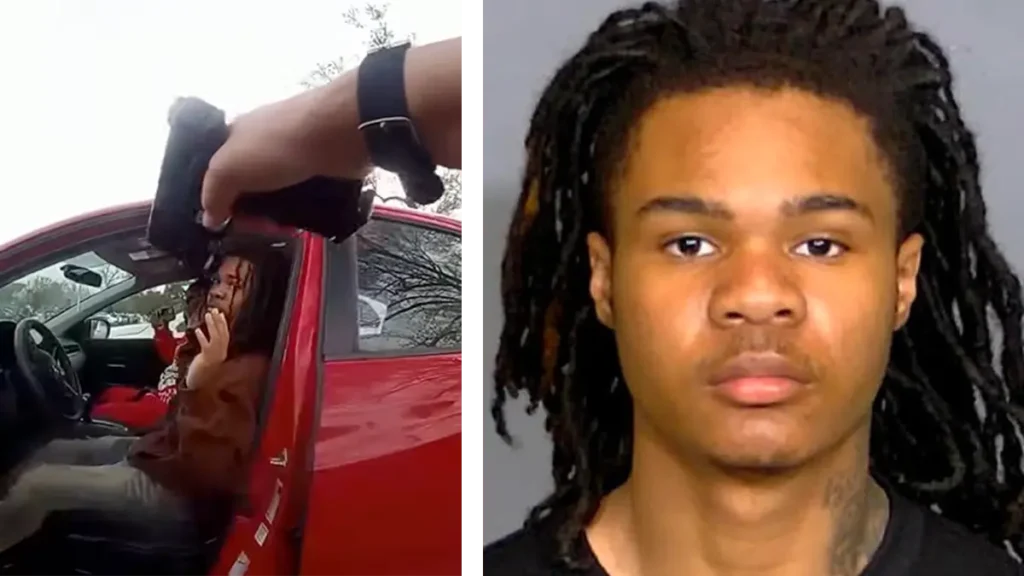
In an unsettling turn of events, an Indiana teenager found himself freed after body-camera footage contradicted claims made by Indianapolis Police Sgt. Robyn Frazier. The officer initially alleged that the Black teen aimed a gun at her during a confrontation, a serious accusation that can lead to life-altering consequences. However, the evidence captured on camera told a different story, revealing that the officer may have exaggerated the situation to justify her actions. This incident highlights the urgent need for accountability within policing, especially when lives are at stake.
The power of body-camera footage cannot be understated, especially in a climate where trust in law enforcement is tenuous at best for many communities. The stark reality is that many Black individuals are unfairly targeted and accused, with far too many facing the brunt of systemic oppression that often disguises itself as public safety. In this case, the young man’s freedom hinged on a piece of technology that many advocate for as a means to promote transparency in policing. Yet, it also raises questions about how often similar situations could occur without such evidence.
For the culture, this incident is not just about one teenager’s wrongful accusation; it resonates deeply with ongoing discussions around police reform and accountability. The emotional toll on the young man, who faced serious felony charges, is a reflection of broader societal issues that we cannot ignore. As we celebrate the exoneration of this teenager, we must also remain vigilant in addressing the underlying systemic issues that allowed for such a situation to arise in the first place.
Ultimately, we must continue to demand justice and systematic change. The narrative that often paints Black youth as threats must be dismantled, and accountability for law enforcement must be prioritized. As this young man walks free, let it serve as a wake-up call for all of us to scrutinize and reform the frameworks that allow such injustices to persist. When we speak of justice, it is crucial to ensure that the scales are balanced and that every voice is heard, especially those that have historically been silenced.
From The Source
About The Author