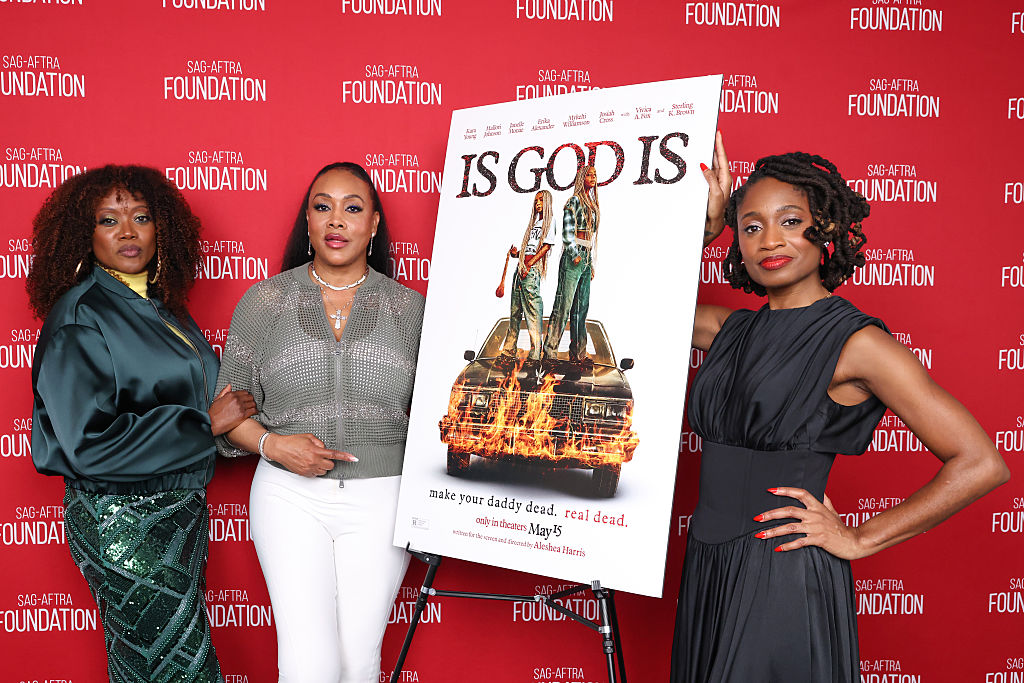
In recent years, the spotlight on Black femicide has intensified, drawing attention to a haunting reality that has long lurked in the shadows of our society. Aleshea Harris’s powerful play, “Is God Is,” confronts this issue head-on, weaving together themes of violence, resilience, and the church’s complex relationship with Black womanhood. It’s a bold narrative that refuses to shy away from the grim statistics and personal stories that illustrate the plight of Black women, mapping their endurance against a backdrop of systemic neglect and brutality.
“Is God Is” takes audiences on a gripping journey through the lives of its protagonists, twin sisters who seek vengeance for their mother’s murder. Their quest becomes a profound commentary on the endless cycle of violence that Black women face, often rendered invisible in broader societal conversations. As these sisters navigate their trauma and seek justice, the play examines how the Black church, traditionally seen as a sanctuary, sometimes falls short in addressing the realities of Black women’s suffering. This dissonance raises crucial questions about faith, community, and the support systems that should inherently protect those most vulnerable.
The echoes of Black femicide resonate far beyond the stage, feeding into a larger cultural narrative where Black women’s stories remain underrepresented or sensationalized. “Is God Is” invites us to reckon with the lives lost, using art as a vehicle for advocacy. In doing so, it challenges audiences to reflect on the societal structures that allow such violence to persist while encouraging a collective acknowledgment and mourning of those who have been silenced.
As we grapple with the rising cases of Black femicide, Harris’s work serves as a clarion call, urging us not just to bear witness but to act. It is a reminder that the narratives of Black women are not merely stories of endurance but also declarations of strength and resistance. In an era where their lives are too often reduced to tragic headlines, “Is God Is” insists that we bring their experiences to the forefront, reclaiming their narratives as sacred and worth fighting for. In refusing to look away, we begin to honor the lives and legacies of those who have been lost and reject the narrative of invisibility that has too often characterized their existence.
From The Source
About The Author