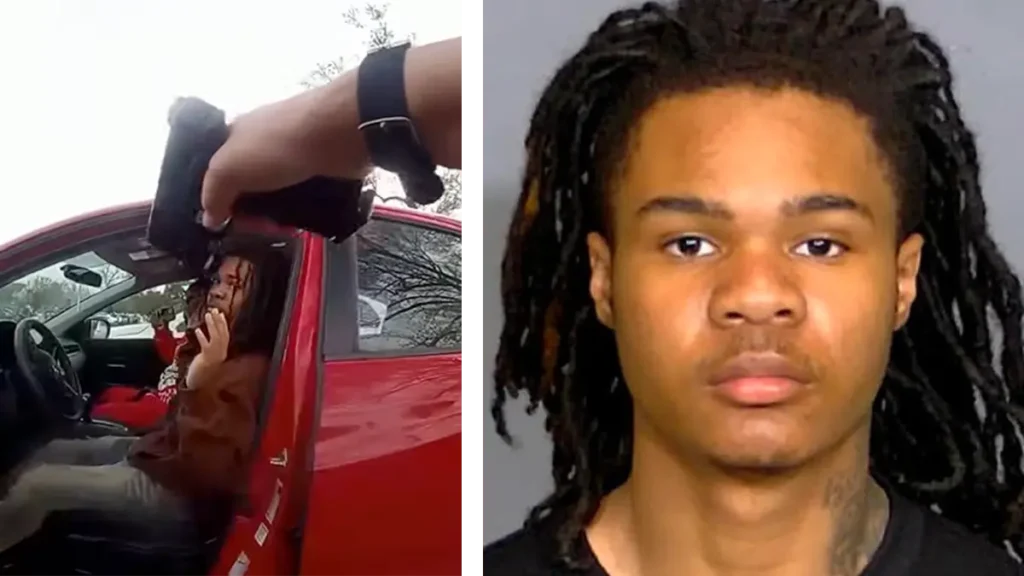
In a shocking turn of events, a Black teenager in Indiana who was accused of pointing a gun at a police officer has been exonerated, thanks to body-camera footage that revealed the truth behind the officer’s claims. The incident, which took place last month, involved Indianapolis Police Sgt. Robyn Frazier, who initially asserted that the teen aimed a firearm directly at her. However, the video evidence tells a different story, illustrating a troubling pattern of misconduct and a failure to uphold the integrity that is expected of law enforcement officers.
The content captured on the body camera serves as a critical reminder of the importance of accountability in policing, especially in interactions involving marginalized communities. It is a stark illustration of how easily narratives can be crafted to villainize individuals based on race. As communities continue to fight against systemic racism and police brutality, each instance like this highlights the urgent need for transparency and reform within law enforcement agencies. The repercussions of such false accusations can be devastating, leading to wrongful arrests and a breach of trust between law enforcement and the communities they are meant to serve.
In cases like this, the stakes are incredibly high. A young life can be drastically altered by a few misleading statements, and the emotional toll can be everlasting. The teen at the center of this incident is not just a statistic; he is a reminder of the countless other young Black men who have faced similar situations without the benefit of video evidence to clear their names. This incident further ignites the conversation about the necessity for body cameras and how crucial they can be in ensuring justice and preventing misuse of power.
As society grapples with these complex issues, it becomes evident that we must continue pushing for reforms that hold law enforcement accountable. The fallout from this case should not be overlooked; it sparks questions about training, policies, and the very culture within police departments that can lead to such misguided actions. The Indianapolis case serves as a call to action for citizens to demand more from those sworn to protect and serve, ensuring that accountability is not an exception but the rule. The truth, as revealed by the body-camera footage, has given the teen a chance to reclaim his life, but it is also a glaring spotlight on the need for systemic change in our policing systems.
From The Source
About The Author