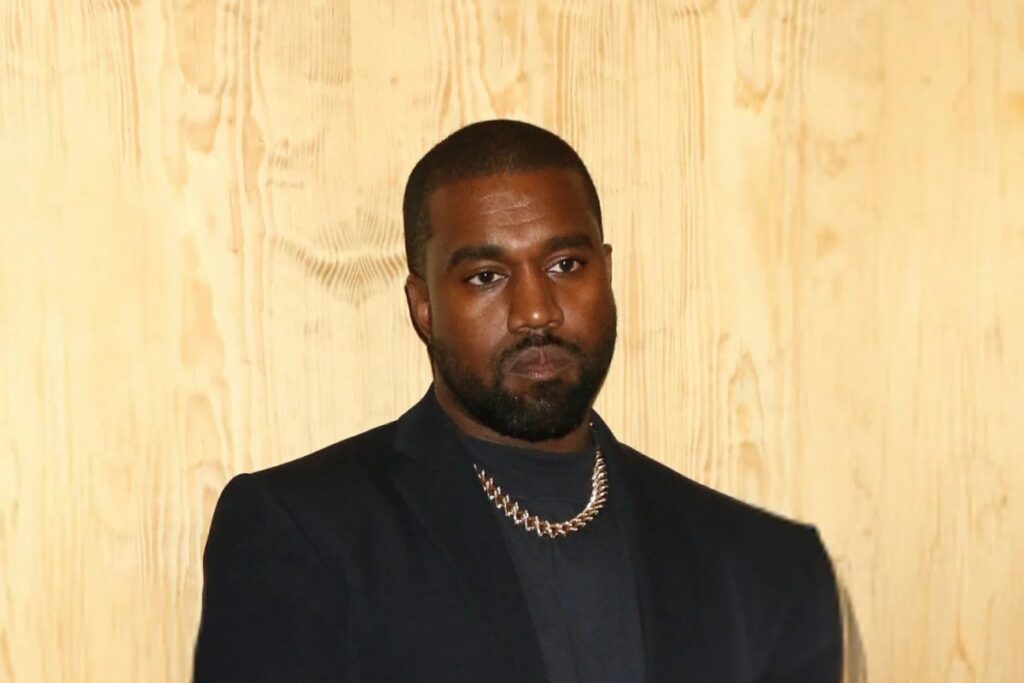
In a surprising turn of events, Kanye West, known simply as Ye, has secured a concert date in Georgia with an Israeli businessman, seemingly defying the growing backlash stemming from his previous antisemitic remarks. This move is particularly notable as various European countries, including Poland, the United Kingdom, and France, have pulled the plug on his scheduled performances due to the controversy surrounding his past statements. Rather than retreating, Ye appears to be doubling down, illustrating a complex relationship with public opinion and cultural discourse.
Despite the criticism he has faced, Ye’s ability to navigate these turbulent waters is emblematic of his larger-than-life persona. His partnership with Live Nation Israel CEO suggests a strategic pivot, one that may not only serve to revitalize his career but also to challenge the narratives that have sought to silence him. It’s a bold maneuver at a time when many are questioning the boundaries of artistic expression and the repercussions of controversial statements.
As Ye prepares for this Georgia concert, fans and critics alike are left to ponder the implications of his resilience. Will this concert mark a new beginning for the artist, or will it serve to further entrench the divisions that have come to characterize his public image? The stakes are high, with Ye positioning himself against not just backlash but an evolving landscape of cultural accountability.
In a world that often demands artists to adhere to a certain moral compass, Ye’s actions challenge the status quo, sparking conversations about freedom of speech and the responsibility that comes with it. It raises a critical question: How should the industry respond to artists whose actions and words provoke such strong reactions? As he continues to fill arenas across the globe, Ye is not just performing; he is navigating a complex web of culture, politics, and personal redemption. The concert in Georgia may be more than just a show; it could be a cultural moment that resonates far beyond the music itself.
From The Source
About The Author