By Renee Fontaine, PowerVault Staff
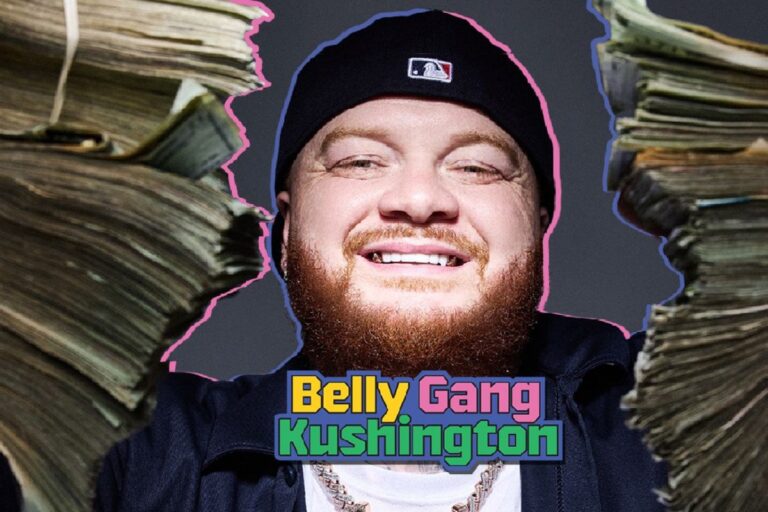
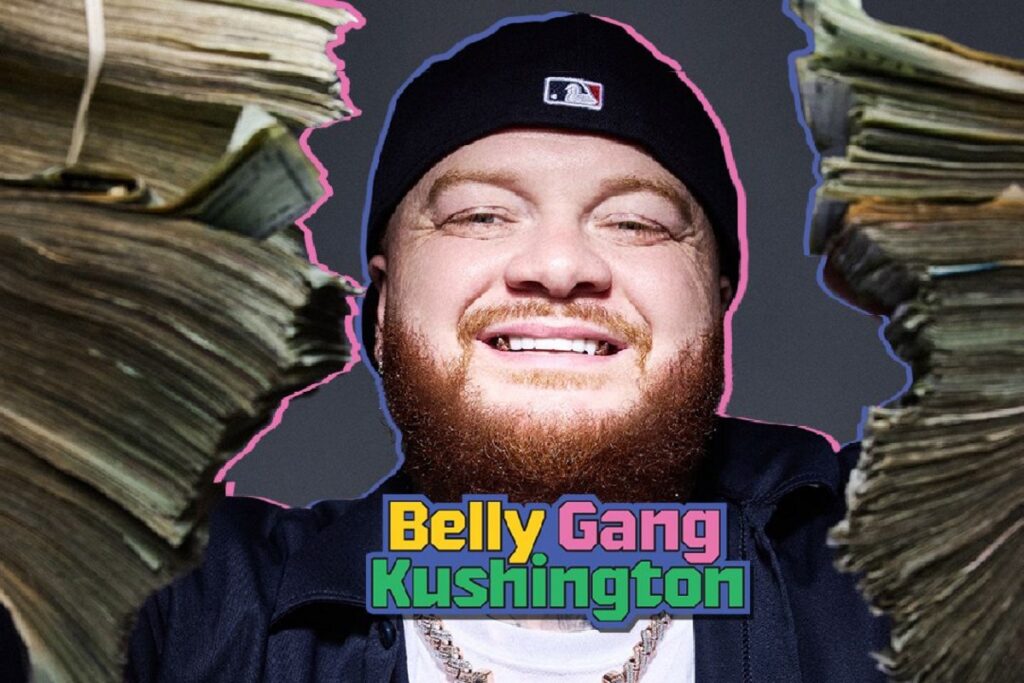
Belly Gang Kushington just snagged the spotlight as part of the 2026 XXL Freshman class, a move that solidifies his place in hip-hop’s ever-evolving landscape. His freestyle, raw and unfiltered, captures the essence of a generation yearning for authenticity in a world flooded with curated personas. Kushington’s emergence isn’t just about his bars; it’s about the narrative he brings—a story steeped in struggles and triumphs that resonates deeply within the community.
To understand the weight of this moment, we must look at the shifting dynamics in hip-hop. The XXL Freshman cover has long been a rite of passage for emerging artists, a stamp of approval that can propel careers into the stratosphere. But as the genre continues to diversify, the stakes for representation have never been higher. Kushington’s presence on this prestigious list speaks volumes, not only for his talent but for the growing acceptance of authentic, unfiltered voices in a landscape that often prioritizes commercial viability over cultural depth.
Kushington’s journey reflects a broader trend in hip-hop—a reclamation of narrative power. As more Black artists embrace the rawness of their truths, we’re witnessing a renaissance of sorts, one that prioritizes lived experiences over catchy hooks. In a genre that has historically grappled with commercialization, Kushington’s style stands as a counter-narrative, echoing the sentiments of artists like Kendrick Lamar or J. Cole who have paved the way for deeper storytelling. This isn’t just about selling records; it’s about serving as a mirror to the community, and Kushington’s reflections are bold and necessary.
Looking back, we can draw parallels with the rise of artists in the late 90s and early 2000s, who also battled against mainstream expectations. Think about the likes of Mos Def or Talib Kweli—artists who infused their music with social commentary and personal truths, challenging the status quo while still managing to find commercial success. Kushington is carving his niche in this lineage, a reminder that hip-hop can be both art and activism, a platform for voices that demand recognition in a society that often marginalizes them.
As we look ahead, the question is not just about Kushington’s next moves, but the broader implications of his success. Will he continue to push boundaries and redefine what it means to be a hip-hop artist? And how will this affect the next wave of artists trying to find their footing in an industry still grappling with its own identity? The stage is set for Kushington and his peers to not only leave an indelible mark on hip-hop but to inspire a generation ready to embrace their truths. As we keep an ear to the ground, it’s clear that we’re witnessing the rise of a voice that could challenge the norms and uplift the culture.
About The Author