By Tanya Brooks, PowerVault Staff
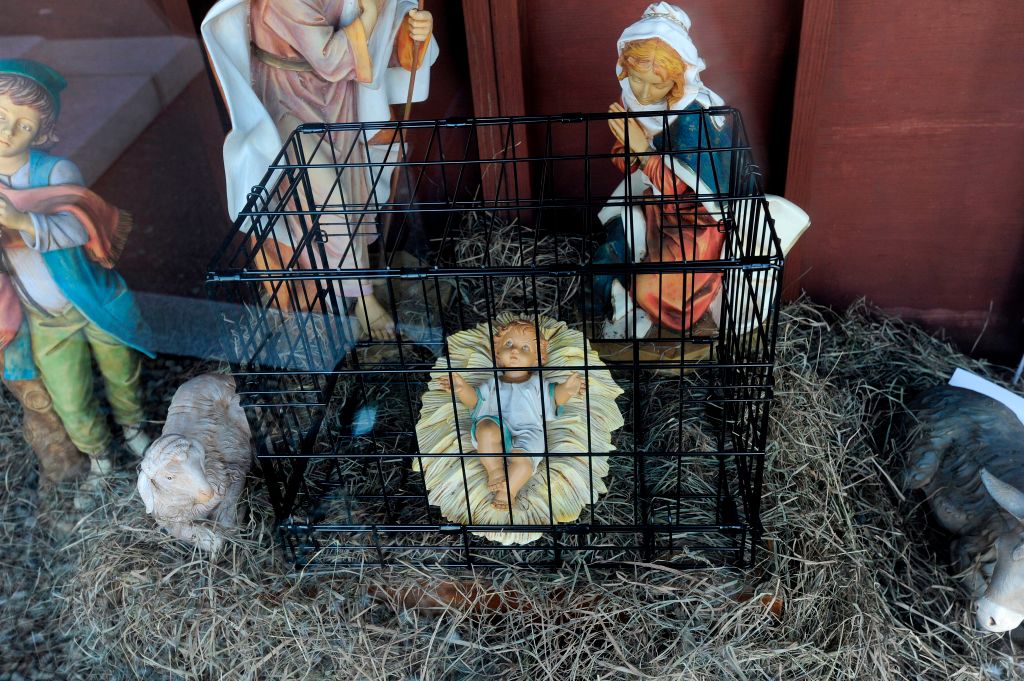
In an unexpected twist to holiday cheer, St. Susanna Parish in Dedham, Massachusetts, has created a Nativity scene that embodies a powerful message against the U.S. Immigration and Customs Enforcement (ICE). In a season that traditionally emphasizes peace, joy, and goodwill, this church is unflinchingly using their display to challenge the systemic injustices faced by immigrant communities. Rather than simply depicting the holy family, they’ve chosen to frame their message within the current socio-political climate, boldly refusing to remove it despite outside pressures.
This decision doesn’t happen in a vacuum. The backdrop is rich with a complex history: the increasing militarization of immigration enforcement, rising deportation rates, and the vilification of immigrant communities. For many, the holiday season is a time of reflection and compassion, yet for countless families living in fear of separation, it’s a stark reminder of the trauma and uncertainty that looms over their lives. By intertwining the Nativity scene with an anti-ICE message, St. Susanna Parish is asking us to consider what happens when the ideals of faith clash with the realities of policy. This isn’t just about a church; it’s about aligning spiritual beliefs with tangible, real-world consequences.
For PowerVault and our audience, this act resonates deeply with our commitment to social justice and equity. It’s a vivid reminder that the struggle against oppressive systems can and should be part of our culture’s narrative. The church’s stance reflects a growing anger and urgency within communities, including those in the Black diaspora who have long been at the intersection of immigration and systemic injustice. This is more than a fight for immigrant rights; it’s about solidarity, understanding that the struggle of one marginalized group is the struggle of all marginalized groups. The Nativity scene isn’t just a holiday decoration—it’s a clarion call for justice, reminding us that faith and activism can walk hand in hand.
Looking back, we can see parallels to the civil rights movement, where religious leaders took bold stances against racial injustice. Figures like Martin Luther King Jr. and the Southern Christian Leadership Conference used the church as a platform for social change, emphasizing that spirituality and activism are not mutually exclusive. Today, as we witness similar courage from St. Susanna Parish, it invokes the same spirit of resistance that fueled movements past. It also raises questions about how communities of faith can continue to serve as bastions for social change—could this be the beginning of a broader trend?
As we look ahead, this Nativity scene serves as a vital touchpoint for conversations that must continue beyond the holiday season. Will more churches and faith-based organizations step up to address the injustices in their communities? How can we leverage acts of defiance like this to push for systemic change? The implications are vast, and the discourse is just beginning. This moment in Dedham could be the spark needed to ignite broader conversations around immigration policy, social justice, and community solidarity. As we navigate these complexities, let’s remember that even in the season of light, the fight for justice remains an essential part of our collective narrative.
About The Author