By Simone Walker, PowerVault Staff
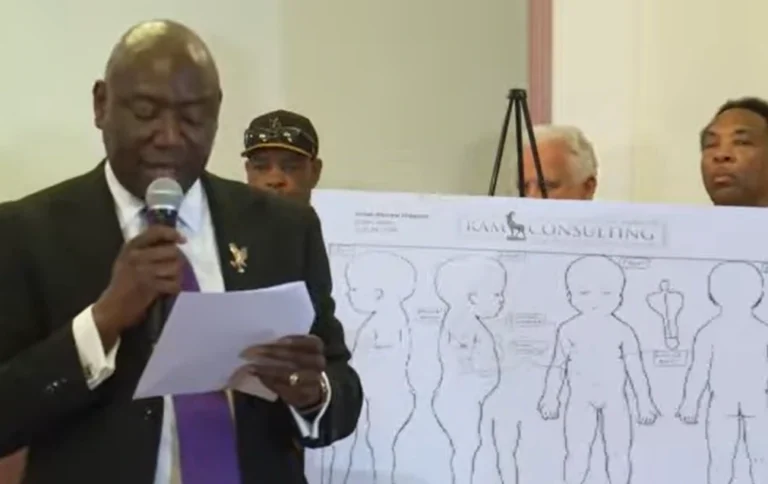
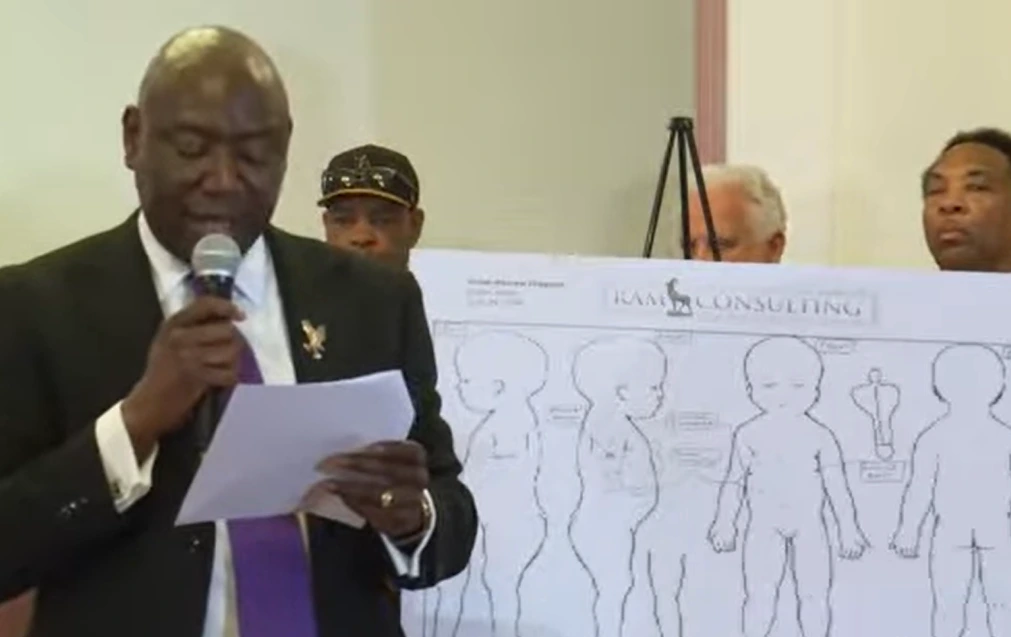
In a heartbreaking incident that starkly illustrates the racial biases entrenched within our justice system, a Mississippi police officer shot and killed a 1-year-old Black boy, claiming they feared for their lives. This tragic event has sent shockwaves throughout the community and raised serious questions about the accountability (or lack thereof) that law enforcement holds. As the boy’s family seeks answers, an independent autopsy is calling into question the narrative being pushed by police—one that has become all too familiar in cases involving the deaths of Black individuals.
In recent years, particularly following the movements sparked by the deaths of George Floyd, Breonna Taylor, and countless others, we have been told time and time again that officers act out of fear. Only now, we are faced with the tragic reality that such claims have reached the most vulnerable among us—children. The system that is supposed to protect and serve has turned its weapons on the most innocent, and the implications of this cannot be understated. We live in a society where Black lives are often seen as threats, even when they are nestled in a crib or seated in a car seat.
For the Black community, this incident is a painful reminder of our ongoing fight against systemic racism and the normalization of violence against us. It highlights an urgent need for reform within law enforcement, but more importantly, it underscores the reality that our lives are undervalued and that fear can lead to lethal outcomes. The independence of the autopsy results should give us hope that the truth can prevail, but we must remain vigilant. Our voices must rise above the noise of excuses and justifications that historically have shielded those in power from accountability.
When we look back at the tragic murder of Tamir Rice, a 12-year-old boy shot by police in Cleveland, the parallels are chilling. In both cases, law enforcement justified their actions by claiming a perceived threat. This pattern of violence against Black youth compels us to ask how many more lives must be needlessly lost before systemic changes are made. The rhetoric surrounding these incidents often becomes a facade for deeper issues that persist in the fabric of our society. The narrative must shift from ‘fear’ to ‘understanding’—from ‘justification’ to ‘justice.’
As we grapple with the aftermath of this tragedy, we must also maintain our focus on the larger picture. This incident isn’t just about one life lost; it’s a manifestation of a systemic problem that requires collective action. Activists, community leaders, and advocates need to rally not just for accountability in this particular case but for comprehensive changes in policing practices nationwide. We must demand transparency, training against bias, and policies that prioritize de-escalation over lethal force. The road ahead is long, but if we can unite as a community, we can begin to reshape a system that has continuously failed us. In this fight, every voice matters, and every action counts. Let’s honor the memory of that innocent child by working tirelessly to ensure that no other family has to endure a loss like this.
About The Author