By Marcus Ellison, PowerVault Staff
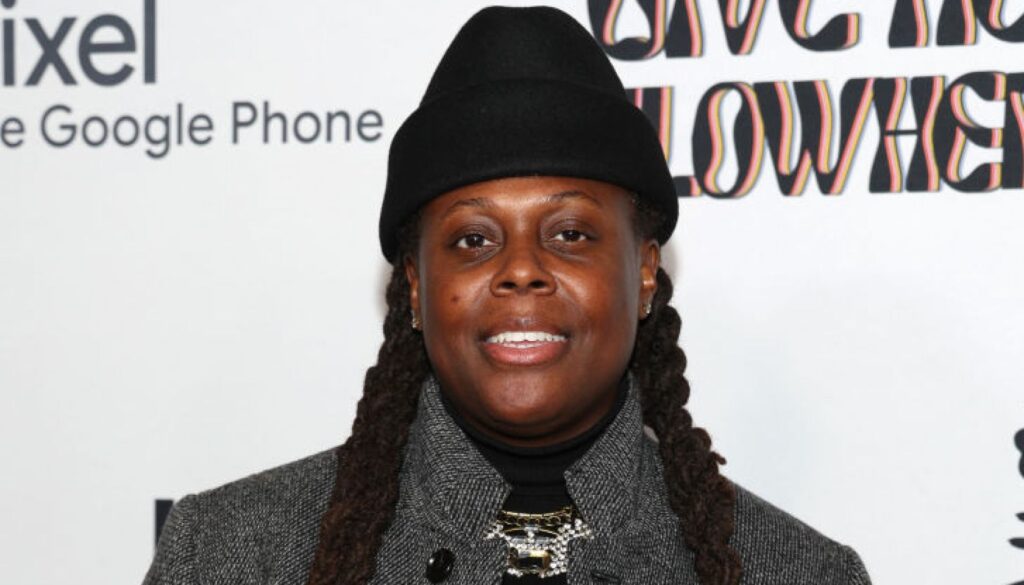
In an era where fleeting fame often clouds the true artistry behind the music, Kei Henderson is carving out a space that prioritizes legacy over buzz. As the driving force behind Third + Hayden, Henderson is not just a music executive; she’s a visionary intent on nurturing artists with the kind of staying power that transforms not just careers but the very fabric of culture itself. In a recent interview, she discusses how her agency is redefining success in the music industry by championing queer representation and forging long-lasting careers for the talent she represents.
To understand the significance of Henderson’s work, we need to acknowledge the shifting landscape of the music industry. Historically, the industry has been notorious for its superficial nature, often favoring viral moments over sustainable artistry. However, a new generation of executives and artists, particularly from marginalized backgrounds, is challenging the status quo. With a growing emphasis on authenticity, resilience, and community-driven narratives, Henderson’s approach feels like a necessary antidote to an industry rife with commodification. It’s about cultivating artists who resonate with audiences on a deeper level, and who feel empowered to embrace their identities without fear of erasure.
Henderson’s insistence on queer representation in music is particularly vital at a time when the conversation around LGBTQ+ visibility in hip-hop is both necessary and long overdue. Hip-hop has historically been a space where rigid masculine norms have dominated, often pushing out queer voices. Yet, amid this cultural reckoning, Henderson stands as a beacon of hope. She is not only advocating for the inclusion of queer artists but is actively creating an ecosystem that supports their growth. This shift is essential—not just for the artists involved, but for the community that needs to see themselves reflected in the music that plays a significant role in shaping social narratives.
When we look back at moments in music history, we can draw parallels with the emergence of artists like Lil Nas X, who has used his platform to challenge stereotypes and redefine what it means to be a Black queer artist in the hip-hop space. Just as he burst onto the scene with “Old Town Road,” grabbing attention and igniting conversations about identity and acceptance, Henderson is doing the same from behind the scenes. She is fostering an environment where artists can thrive, bringing their truest selves to the forefront, and encouraging them to build careers that are sustainable and resonate with their communities.
As we move forward, it’s imperative to keep an eye on how Henderson’s vision unfolds. Will her emphasis on legacy and authentic representation inspire a new wave of artists and executives to follow suit? The industry is at a crossroads, and Henderson embodies a progressive shift towards valuing depth over surface. Her work reminds us that it’s not just about making hits; it’s about making history—one artist at a time. The true pulse of hip-hop is in its capacity to evolve and adapt, and with leaders like Kei Henderson at the helm, the future looks promising for a generation that demands to be seen and heard.
About The Author