By DeShawn Price, PowerVault Staff
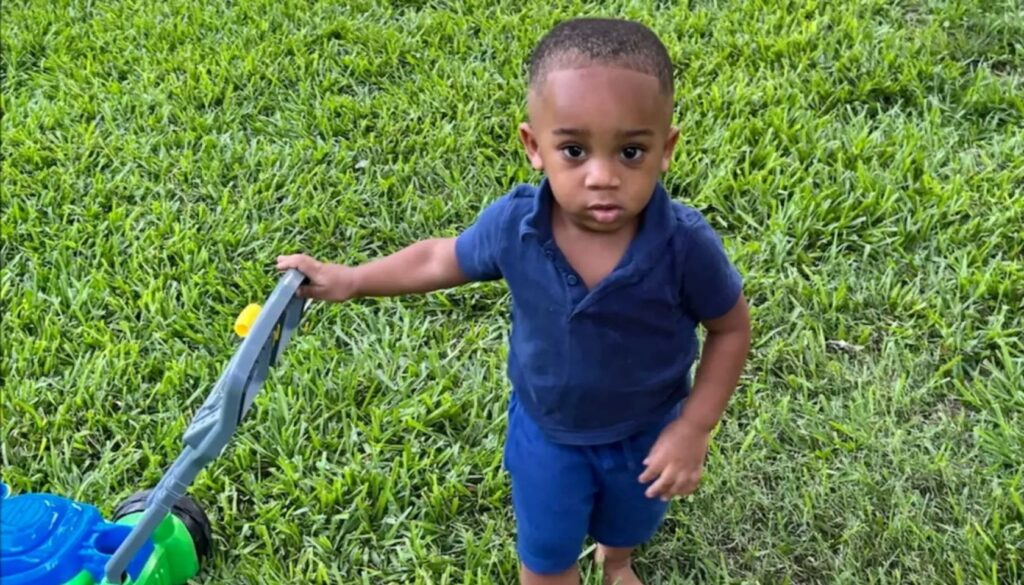
The tragic death of one-year-old Kohen Wiley, ruled a homicide following an independent forensic investigation led by civil rights attorney Ben Crump, serves as a stark reminder of the urgent need for accountability within our law enforcement systems. On the surface, this incident, which occurred during a police response to an alleged shoplifting, might seem like just another headline in the long list of casualties attributed to police overreach. But for the families of victims like Kohen, and the wider Black community, this heartbreaking event represents far more than a single loss; it signals a systemic failure that continues to endanger our youth.
To grasp the gravity of this situation, we must consider the context in which it unfolded. Kohen Wiley’s life was snuffed out in a moment of chaos, as officers responded to an alleged crime that, in many cases, wouldn’t even warrant a violent response. Instead of protecting and serving, the police acted as if the lives of Black children are expendable in the face of supposed misconduct. This isn’t merely an isolated incident; it’s a continuation of a pattern that has seen police interactions often leading to catastrophic outcomes for our communities. The urgency for change is palpable, with families crying out for transparency and accountability.
What does this mean for us, as a culture? It underscores the need for reform and advocacy from within our communities. The reliance on powerful figures like Ben Crump, who tirelessly advocate for justice, illuminates an essential point: it is not just the families of victims who must seek accountability, but all of us. The death of Kohen Wiley is a rallying cry—a poignant reminder that we must confront a system that prioritizes law and order over the sanctity of Black lives, especially our children’s. The implications of this case extend beyond the courtroom; they resonate within our homes and schools, affecting the future generations who should be free to live without fear.
This situation calls to mind the tragic case of Tamir Rice, the 12-year-old boy who was fatally shot by police while playing with a toy gun. Both tragedies highlight an unsettling truth: there is an alarming frequency with which violence erupts in interactions involving Black youth. The disparities are not mere coincidences; they reflect deep-seated issues of systemic racism and police brutality that have plagued our communities for decades. Public outrage must translate into tangible changes in policy, training, and community engagement. We cannot afford to let Kohen’s death become just another statistic in the ongoing narrative of neglect and violence against Black bodies.
As we look ahead, we must remain vigilant. The call for justice surrounding Kohen Wiley’s death is not merely about retribution; it’s a call to action for our communities to demand real changes. We must advocate for policy reforms that prioritize community safety instead of policing, and we must hold accountable those who fail to protect our children. More than ever, the conversation around policing in America must evolve—from one focused on punishment to one that emphasizes understanding and prevention. In the wake of Kohen’s death, let us draw strength from our collective grief and galvanize toward a future where no parent has to suffer the pain of losing a child to senseless violence.
About The Author