By Andre Coleman, PowerVault Staff
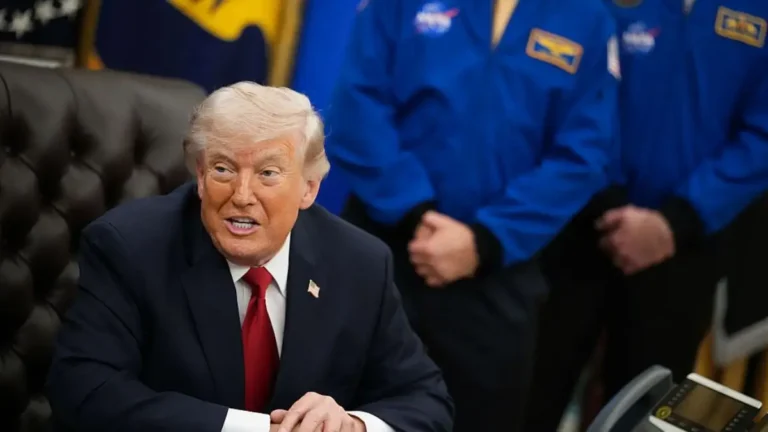
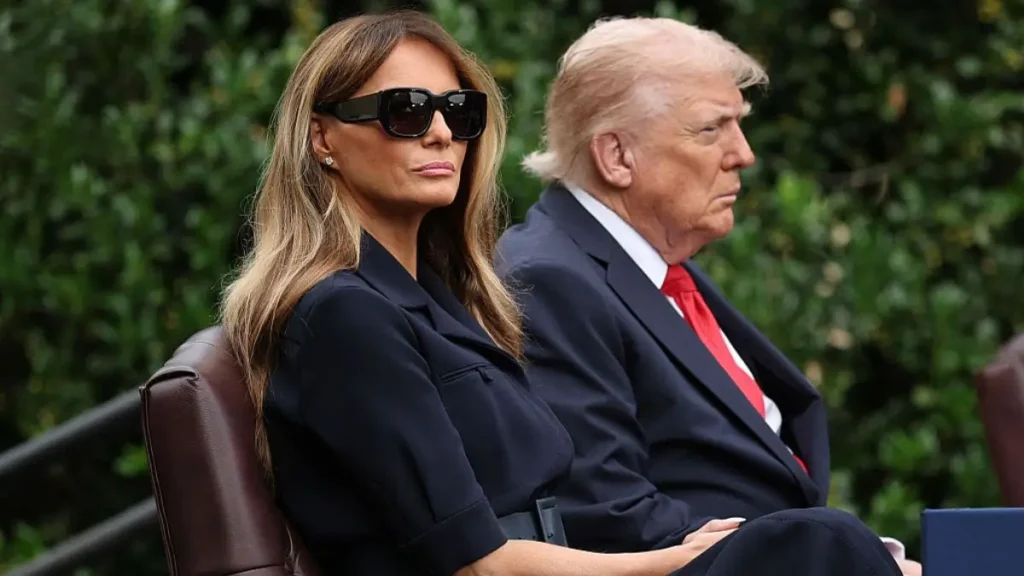
In a recent public outing, Melania Trump joined her husband, former President Donald Trump, sparking a flurry of speculation and concern among viewers. With her typically reserved demeanor, she stood next to a slouched and seemingly listless Trump, leading many to wonder if something more alarming was at play. As social media users zoomed in on the details of their interaction, the question arose: is anybody checking for a pulse on this political duo?
To understand the weight of this moment, we need to grasp the backdrop of Melania’s unusual absence. The ex-First Lady has often shied away from the limelight, surfacing only in carefully curated appearances that reflect her brand more than her marriage. After two weeks away from the public eye, her return alongside Trump felt less like a reunion and more like a staged performance where neither party seemed fully engaged. This lack of chemistry raises eyebrows, especially given the intense public scrutiny they both face.
What does this mean for the culture, particularly for Black communities who often find themselves intertwined in the narratives of power and politics? The Trumps’ relationship—or lack thereof—paints a broader picture of political marriages that sometimes hinge on public perception rather than genuine connection. In a world where authenticity is increasingly valued, this performance of marital solidarity feels like a farce. It’s a reminder that in the political arena, image often trumps substance, and this can resonate negatively with the electorate, including Black voters who have historically been turned off by disingenuous political displays.
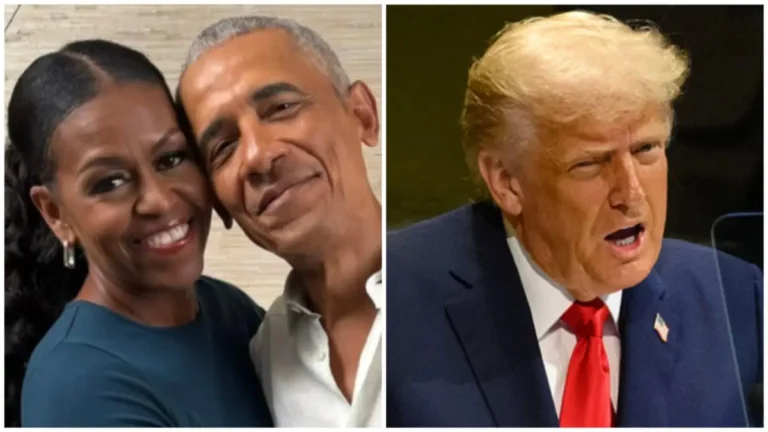
This dynamic isn’t new. Think back to the Obama years, where every public display was filled with genuine affection and partnership, contrasting sharply with the Trumps’ approach. The Obamas exemplified what a united front could look like, drawing on mutual respect and shared values. Conversely, the Trumps’ interactions often appear devoid of warmth, leading to comparisons that underscore a significant cultural shift. In a way, Melania and Trump’s detached presence epitomizes a broader trend where the personal becomes politicized, often to the detriment of the public’s faith in their leaders.
Looking ahead, we must remain vigilant about how these public personas shape our political landscape. As the 2024 election approaches, the narratives we craft around couples like the Trumps will influence voter perceptions and engagement. Will this spectacle of a marriage—even one fraught with tension—hold any sway in a climate that increasingly demands authenticity? As we dissect these visuals and the messages they convey, it’s crucial to consider how they reflect our own values and the deeper implications of leadership in our society.
About The Author