By Renee Fontaine, PowerVault Staff
Recently, news broke that the Trump administration is deploying an additional 2,000 ICE agents to Minnesota, ostensibly to combat a fraud scandal linked to the Somali immigrant community. This move isn’t just a reaction to isolated incidents; it’s a calculated escalation in a long-standing war on immigrants. Here we are again, witnessing a familiar playbook where the specter of fraud is used to demonize a community, sparking fear and mistrust while sidestepping the real issues at hand.
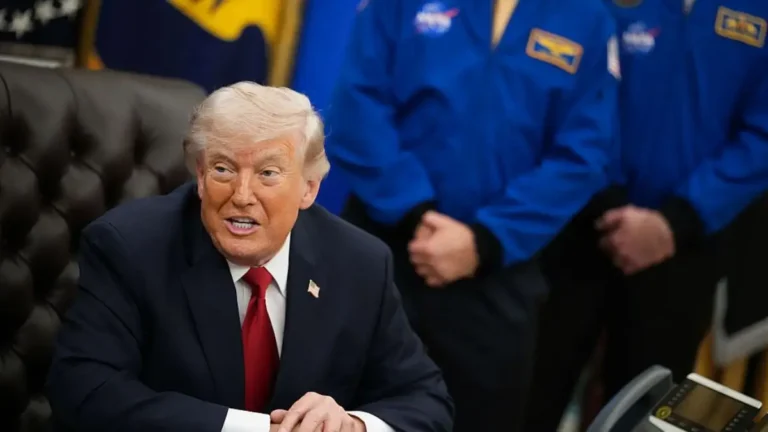
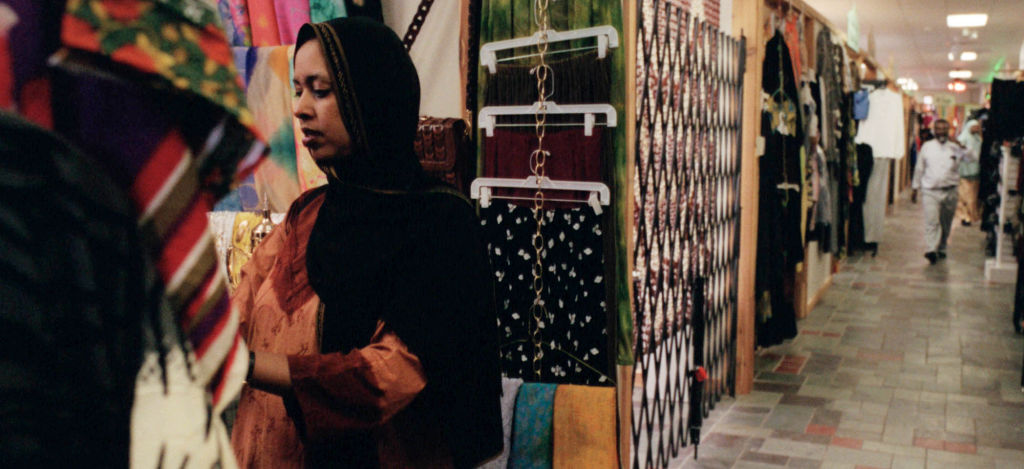
To understand this maneuver, we need to look at the broader context. Minnesota is home to one of the largest Somali populations in the U.S., many of whom fled violence and instability. The state’s history of accepting refugees reflects its more inclusive values—shining in stark contrast to the rhetoric coming from the Oval Office. By leveraging these fraud headlines, Trump is not just targeting a few individuals; he’s painting an entire community with a broad brush. The narrative is simple: if you can cast a shadow of suspicion over immigrants, you can rally support among those who feel threatened by demographic changes, even if those fears are unfounded.
So, what does this mean for culture and community? For one, it deepens the chasm of division in America. Somali immigrants, who have contributed richly to the cultural tapestry of Minnesota and beyond, are now facing increased scrutiny and hostility. This isn’t just about legal ramifications; it’s about how communities view each other. When one group is targeted, it breeds fear and isolation, not just among those directly affected, but within the broader immigrant community. The collateral damage of such policies is devastating, undermining years of progress in social cohesion and cultural exchange.
We’ve seen this before. The internment of Japanese Americans during World War II and the targeting of Muslim communities post-9/11 both serve as chilling reminders of how fear can morph into unjust persecution. In each case, the government exploited societal fears to justify actions that would later be viewed as shameful and regrettable. The current immigration crackdown is just as reckless, using a tapestry of fabricated narratives to weave a story of danger where none exists, and it threatens to erode the fragile trust between communities and the authorities that govern them.
Looking ahead, there’s a pressing need to monitor how this situation unfolds. Will local leaders step up to defend their constituents, or will they succumb to the pressures of a national agenda? The impact of these actions can have lasting effects on voter mobilization within immigrant communities, shaping political landscapes for generations to come. It’s essential for the broader community to stay engaged, to lift up the voices that are being silenced, and to advocate for justice—not just for Somali immigrants, but for all marginalized communities facing similar threats. In the coming months, we must watch closely—not just for the actions of ICE, but for how we, as a society, respond to these attempts at division.
About The Author