By Malik Carter, PowerVault Staff
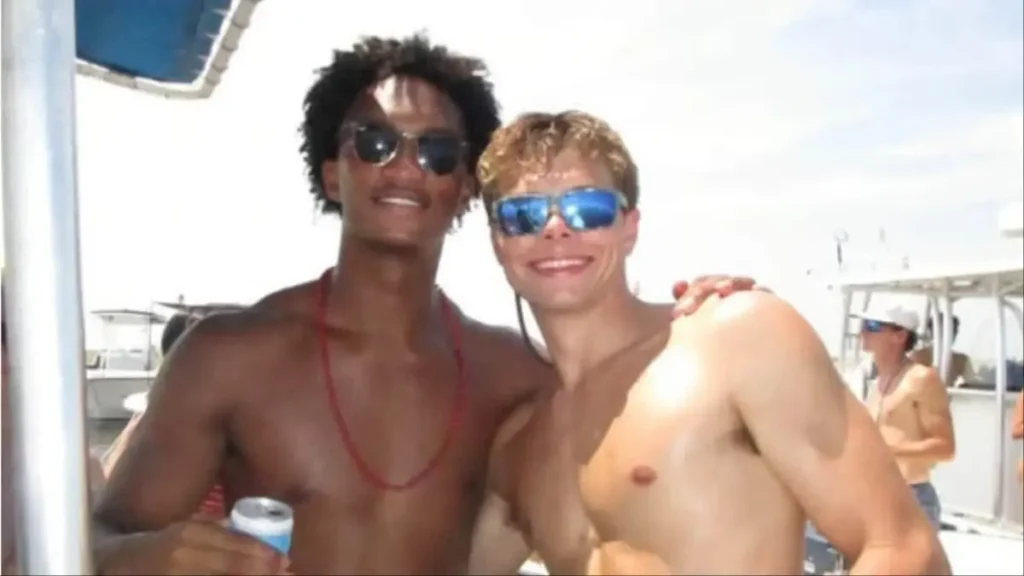
The tragic case of Nolan Xavier Wells continues to unfold, revealing more unsettling details about an incident that has left his family and the community searching for answers. Reports have surfaced indicating that peer pressure played a significant role in a heated argument on a boat, which has now spiraled into a potential legal quagmire. What’s more, the unsettling revelation that messages from Wells’ cellphone were deleted raises further questions about the circumstances leading up to this tragic event and the accountability of those involved.
For those unfamiliar, Nolan Wells was a young Black man whose life was cut short under mysterious circumstances during an outing that should have been a simple day of leisure. The narrative surrounding his death, especially the notion of peer pressure, is emblematic of a larger, more pervasive issue within our culture: the destructive influence of conformity among youth. Many young people, particularly in the Black community, often feel compelled to adhere to social norms that can lead to reckless behavior, which in Wells’ case may have had fatal consequences. This incident is not just an isolated tragedy; it underscores the need for deeper dialogue about the pressures our youth face in social situations.
This case holds a mirror to our society, reflecting how often we underestimate the complexities of peer dynamics. Tragically, the desire to fit in can overshadow individual judgment, prompting individuals to silence their instincts, leading to potentially dire outcomes. The notion that messages were deliberately deleted from Wells’ phone not only suggests a cover-up but also raises the specter of accountability. It’s time we as a community shed light on these shadowy actions, recognizing that the truth must emerge to foster healing and justice. The stakes are high; we can no longer afford to ignore the implications of these behaviors on our youth.
We’ve seen this play out before, most notably in the case of George Floyd, where a toxic mix of societal pressures, systemic racism, and a collective failure to intervene led to an unspeakable tragedy. Both scenarios highlight the urgent need for a cultural shift—one where we prioritize honest communication and emotional intelligence among young people. When we fail to teach our children how to navigate these pressures, we contribute to a cycle that could endanger lives. If we truly want to honor Wells’ memory, we must engage in robust discussions about peer pressure, mental health, and the collective responsibility we share as a society.
As the case against those involved unfolds, let’s be vigilant. This is not just a matter of legal ramifications; it’s about the future of our community and how we support our youth in navigating the complexities of their social worlds. We must advocate for transparency and push for reforms that amplify the voices of young men like Nolan—voices that society often tries to silence. In the coming months, all eyes will be on how this case develops. Will it lead to change in how we discuss peer pressure and mental health in our communities? Will it create a ripple effect, sparking broader conversations about accountability, healing, and the kind of support our youth desperately need?
About The Author