By Marcus Ellison, PowerVault Staff
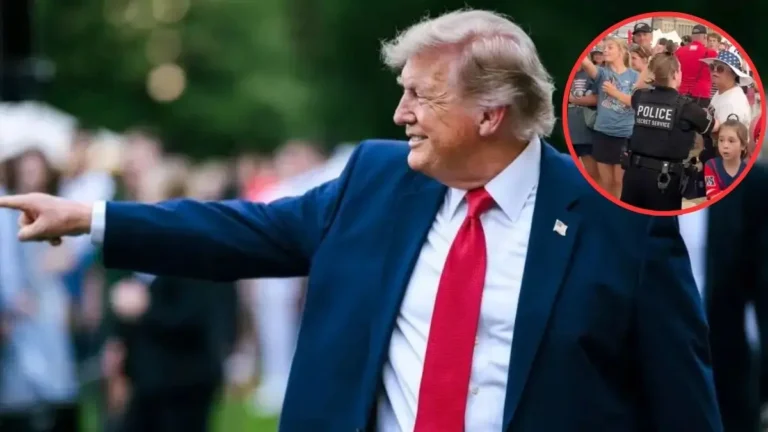
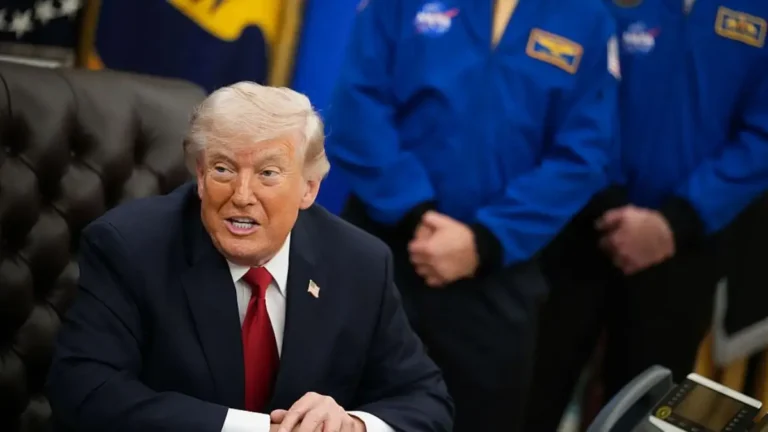
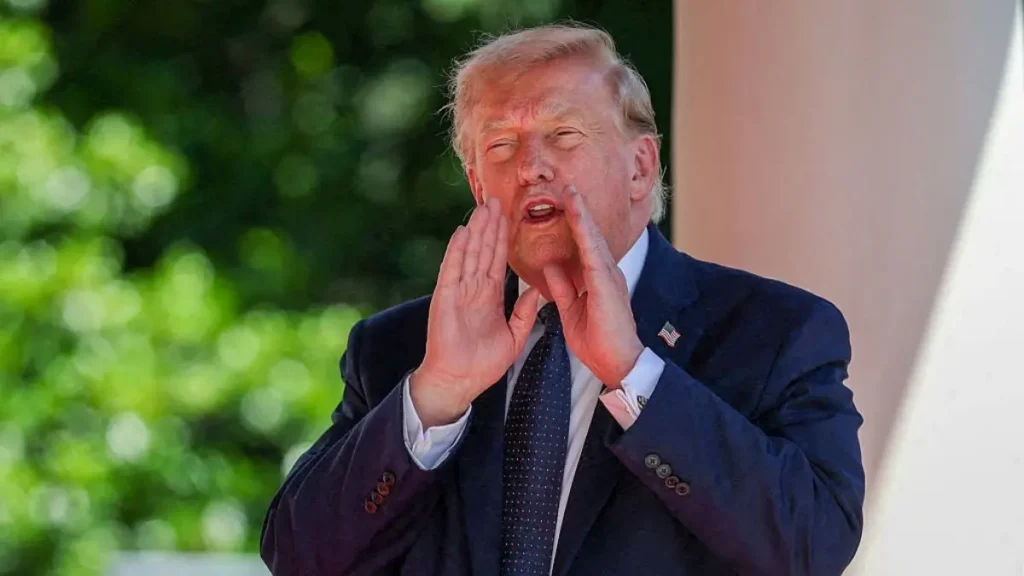
In a recent display of his infamous public demeanor, former President Donald Trump found himself in hot water after mocking Italian Prime Minister Giorgia Meloni during a press briefing. What initially appeared to be a casual jab turned into a full-blown meltdown as he branded her a ‘stalker’ after she rejected his advances. Just when it seemed like he might dig himself further into a hole of misogyny, he quickly backtracked, referring to her as ‘a nice person.’ This chaotic exchange speaks volumes about Trump’s inability to handle criticism—especially from powerful women.
To understand the implications of Trump’s comments, we need to dive into the context of Meloni’s rise to power. She has emerged as a formidable figure in Italy’s political landscape, advocating for right-wing populism while challenging the status quo. As a woman in a predominantly male environment, Meloni represents a new wave of female leadership that dares to break through glass ceilings. However, for Trump—a figure notorious for belittling women—her ascent seems to trigger his insecurities, leading to reactions that echo the archaic stereotypes that continue to plague women in power.
This incident isn’t just about Trump’s petty behavior; it reflects a broader societal issue concerning how women, particularly women of color, are often perceived in leadership roles. In a space where they should be celebrated, the tendency to diminish their accomplishments by reducing them to caricatures or personal insults is all too common. It’s a stark reminder of how misogyny and racism intersect, often sidelining the powerful voices that could lead to meaningful change in our communities.
Looking back, we can see echoes of this phenomenon in the way female leaders have been treated throughout history. Consider the backlash against figures like Michelle Obama, who faced constant scrutiny not just for her policies but for her very presence in a space dominated by men. Similarly, Kamala Harris has been subjected to relentless criticism that often centers on her gender and race rather than her qualifications. The double standards for women in leadership are alive and well, and Trump’s remarks showcase just how far some are willing to go to diminish their impact.
As we look forward, it’s crucial to keep our eyes on how this narrative unfolds. Trump’s attempt to downplay his outburst might soothe his supporters, but it also raises questions about the future of political discourse in America. Will we continue to see powerful women pushed to the sidelines, or will their resilience inspire a new wave of respect and equality? As the culture evolves, we must remain vigilant, advocating for the respect and recognition that women in leadership deserve.
About The Author