By DeShawn Price, PowerVault Staff
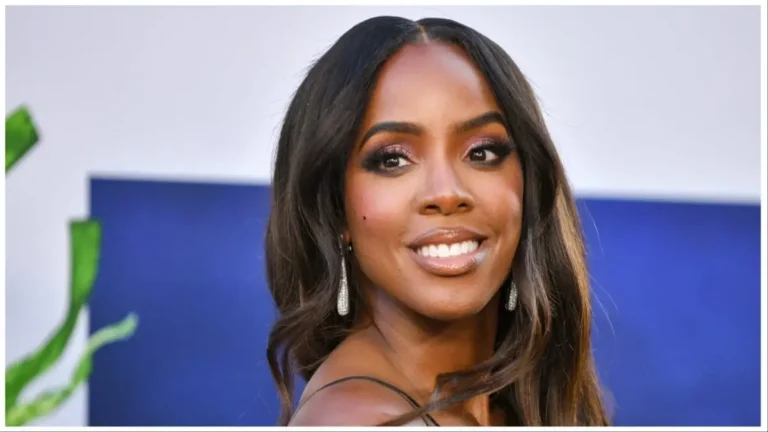
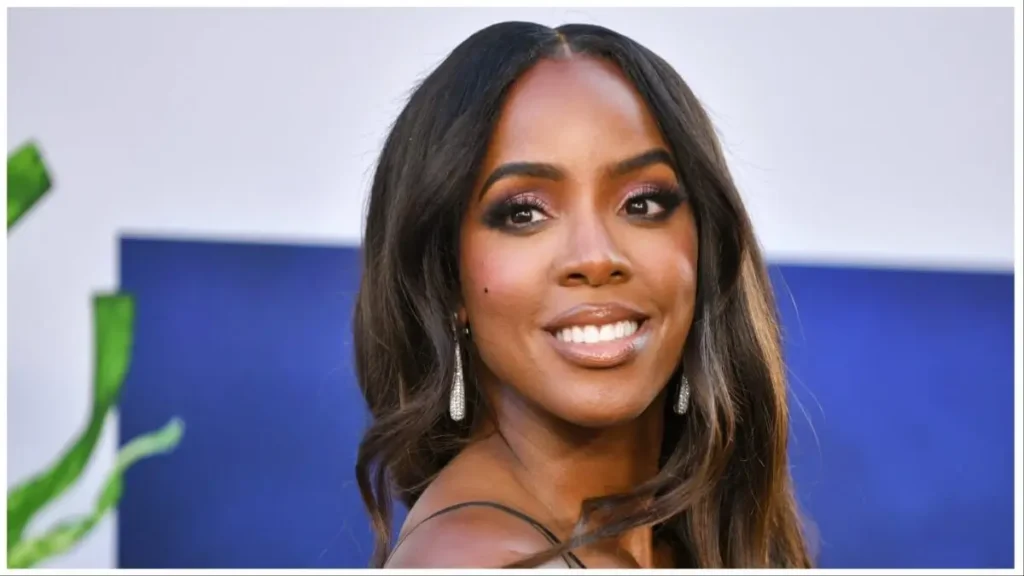
In a surprising twist during a recent performance in Chicago, Kelly Rowland abruptly paused her set after locking eyes with an audience member. What was initially an infectious vibe turned into a moment of urgency as Rowland signaled for security to escort someone out of the venue. The incident not only showcased Rowland’s dedication to the safety of her fans, but it also ignited a conversation about the responsibilities that come with celebrity status in the entertainment industry.
For those who might not be fully attuned to the dynamics of live performances, this isn’t just about hitting the right notes or dazzling an audience with choreography. Artists like Rowland are not only entertainers; they are also guardians of the space they create during their shows. The energy in a concert can transform into something sacred, a shared experience between artists and fans that can quickly sour when certain individuals disrupt the harmony. By taking immediate action, Rowland reminded us that our community’s safety often rests in the hands of those we idolize.
This moment reflects a broader cultural trend: artists increasingly taking a stand against unacceptable behavior in their shows. Whether it’s addressing harassment, promoting mental health, or advocating for social justice, artists are using their platforms to challenge the status quo. Rowland’s quick response to an unsettling situation underscores a crucial part of the conversation around accountability in live events, where the stakes can sometimes go beyond just music and entertainment.
Comparatively, we’ve seen similar instances in the past where artists have intervened during performances to protect the wellbeing of their fans. Think back to when T.I. halted a show to call out disrespectful behavior in the crowd, or when Lizzo stopped mid-performance to address body shaming activists trying to disrupt her show. Each of these moments speaks volumes about the accountability artists are increasingly willing to embrace, wielding their influence to create safer spaces for their fans.
As we look ahead, Kelly Rowland’s decisive action serves as a powerful reminder that the responsibility for creating a safe space doesn’t solely lie on the shoulders of security personnel; it’s a communal effort that includes the artist and the audience. It sets the stage for a future where more artists will likely follow suit, empowered by the belief that a concert can be both a celebration and a sanctuary. This moment urges us to remain vigilant, fostering an environment where everyone collectively looks out for one another, ensuring that when we gather to celebrate our culture, we do so in a space defined by respect and solidarity.
About The Author