By Malik Carter, PowerVault Staff
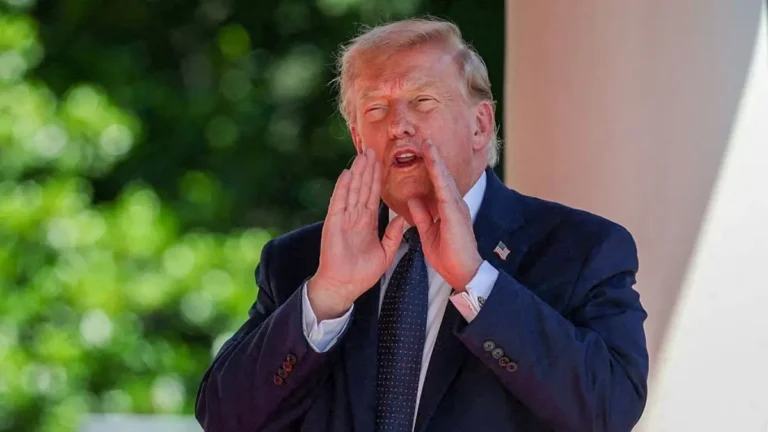
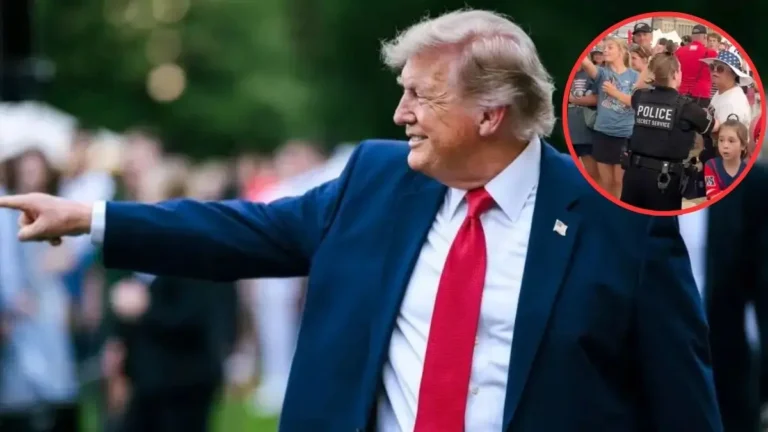
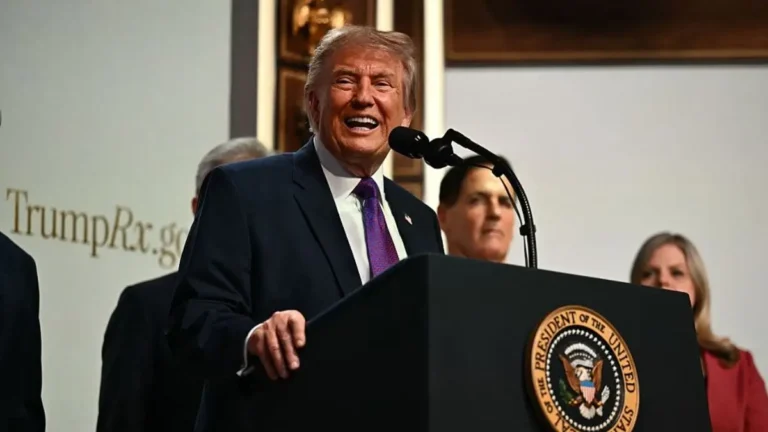
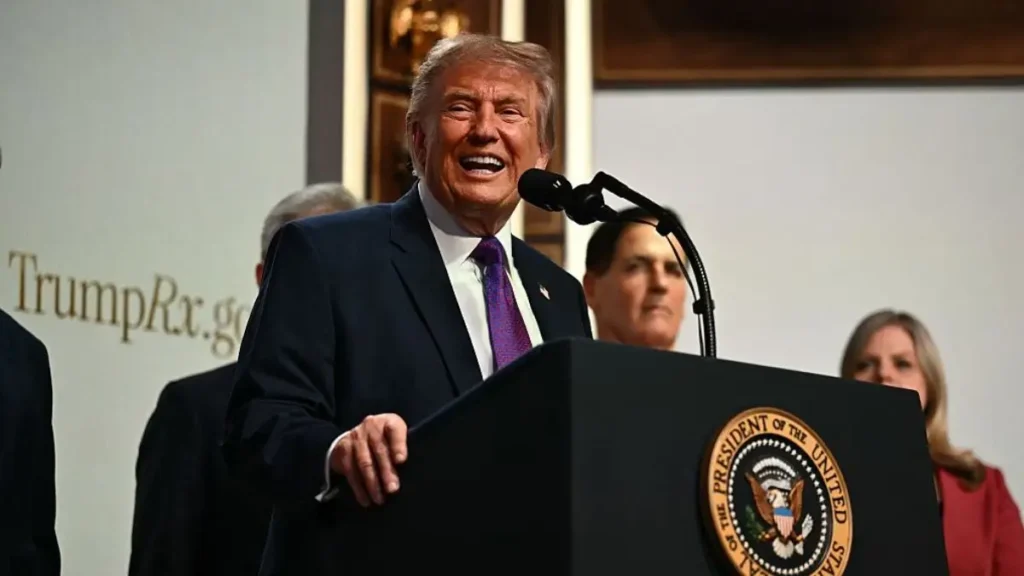
In a recent episode that left many shaking their heads, former President Donald Trump attempted to humiliate a reporter during a press event, calling him ‘an idiot’ in a moment that was as unrefined as it was predictable. This exchange didn’t just expose Trump’s penchant for low-brow personal attacks; it laid bare the deeper issues of accountability, decorum, and the state of public discourse in America. It’s a reminder that the political arena is increasingly a circus, one where the clowns have taken center stage and genuine dialogue is swept to the sidelines.
To understand the significance of this incident, we need to look at the broader context of how political figures interact with the media. In a world where information is disseminated rapidly and public opinion can shift with the tide of social media, the relationship between politicians and journalists has become more strained than ever. Trump’s jab at the reporter wasn’t just a personal slight; it was an attempt to assert dominance and distract from the important questions that often go unasked. This tactic, though common in his playbook, underscores a troubling attitude towards journalistic integrity and the essential role of a free press, especially when so much is at stake for marginalized communities.
For Black culture and our communities, this moment reverberates more deeply. Trump’s dismissive attitude towards reporters often mirrors a larger societal trend where the voices of marginalized groups are belittled or ignored. It’s a stark reminder of how far we’ve yet to go in ensuring that Black voices are not only heard but respected. The casual dismissal of serious inquiries about issues like systemic racism, policing, and economic inequality can be disheartening. It’s a call to action for us to demand better—not just from those in power but also from ourselves as a community, as we amplify our voices and hold the powerful accountable.
Comparing this incident to past moments, we can look back at how President Obama handled the media. While he often faced criticism for his own style, Obama utilized humor and respect in his interactions, fostering a more civilized discourse. The stark contrast between these two leaders reveals a deeper cultural rift—one that is not just about style but about substance. The way leaders treat their critics says volumes about their character and the kind of society we’re shaping. In the age of Trump, we’ve seen an erosion of civility that many of us thought unthinkable.
As we look forward, it’s vital to remain vigilant about the narratives being pushed by those in power. This latest spectacle is a fleeting moment in a larger political drama, but it serves as a crucial reminder of the importance of civil discourse. It’s up to us to continue raising the bar for accountability and respect in our public dialogue. Keep an eye on how the media responds and how we, as consumers of information, can push back against toxic narratives. In times like these, it’s our collective voices and actions that can truly shift the conversation.
About The Author