By Marcus Ellison, PowerVault Staff
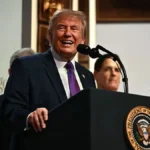
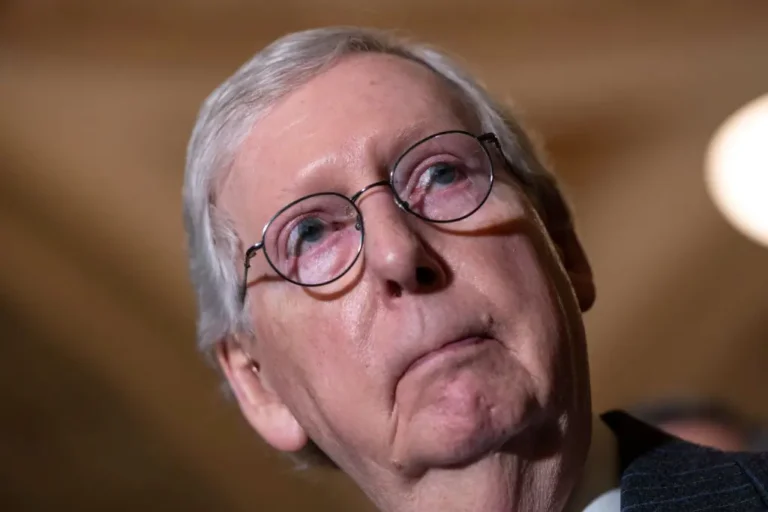
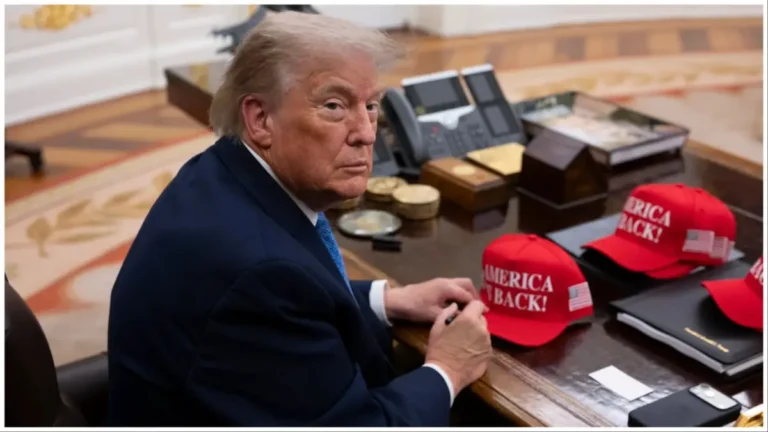
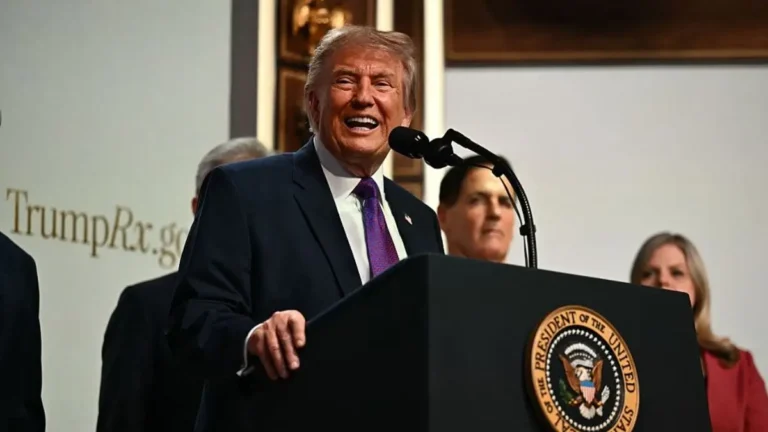
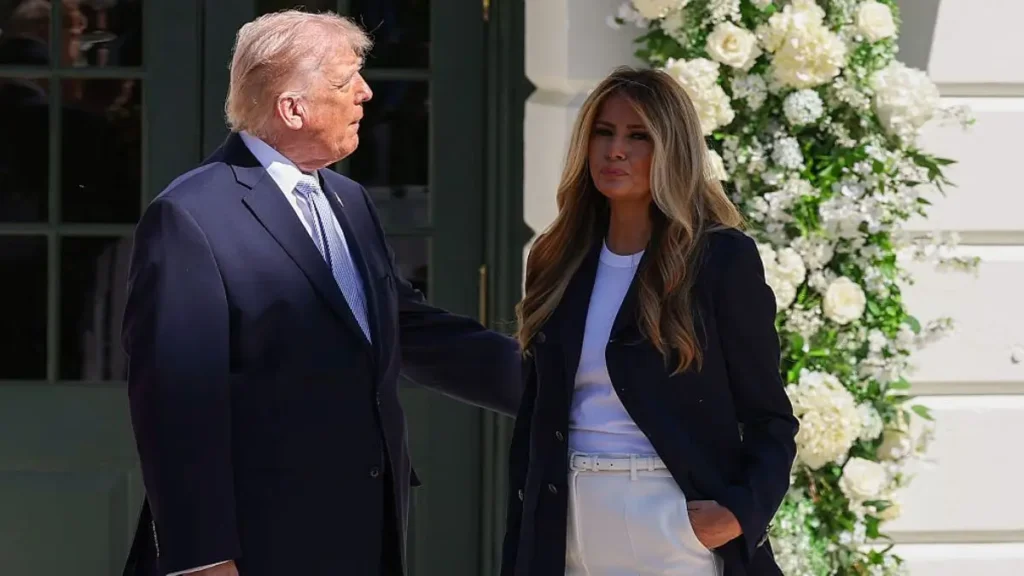
In a moment that felt as chaotic as it was comedic, a world leader reportedly praised former President Donald Trump, only to pivot and drop a savage jab aimed at Melania that left many observers chuckling—and Trump seemingly oblivious. It’s a scene that encapsulates the complex interplay of respect, disdain, and the all-too-often absurd theater of global diplomacy in the Trump era. As heads of state gather to discuss pressing issues, we see that even on such grand stages, the nuances of personal relationships can erupt into the spotlight, often with humorous or cutting consequences.
To understand the gravity of this situation, we must remember that Trump’s presidency was not just a political event but a cultural phenomenon that reshaped the global landscape. His policies, rhetoric, and personal style invited a unique blend of admiration and ridicule, often blurring the lines of respect in international relations. For leaders to publicly commend him while simultaneously taking jabs at his personal life reflects a complicated relationship; one that recognizes Trump’s undeniable influence but refuses to ignore the absurdities that came with it. In the view of many, his presidency became a sideshow, with both allies and adversaries engaging in a twisted dance of diplomacy.
For the culture, this moment illustrates the duality of Black experience in America, where the need to navigate public perception often clashes with the realities of personal life. While Trump might have been hailed in one breath, the mocking jab aimed at Melania serves as a reminder that leadership isn’t only about policies but about character, humility, and how one engages with their roots—something that many in the Black community have had to grapple with throughout history. We’ve seen our leaders, whether in politics, music, or activism, constantly under the microscope, faced with the challenge to maintain dignity while being lampooned or celebrated, often simultaneously.
This situation recalls the moment when President Barack Obama roasted Trump at the 2011 White House Correspondents’ Dinner. It was a blend of humor and candor that left Trump visibly uncomfortable. Such public shaming, albeit in a lighter tone, shows how leaders use humor to critique one another and draws parallels to how the Black community has often had to use humor as a coping mechanism in white-dominated spaces. Yet, the stakes are higher in diplomacy, where personal jabs can mask deeper political grievances and underscore the fragility of alliances.
As we look forward, this moment isn’t just an isolated incident but a reflection of ongoing tensions and the evolving nature of political discourse. It challenges us to consider how humor, respect, and personal integrity play out in the halls of power and the impact they have on public perception. Moving forward, we must pay attention to how future leaders engage with their predecessors and how this interplay shapes international relations. In a world of shifting alliances and emerging leaders, the intersection of culture and politics will continue to offer us these poignant moments, reminding us that even in the most serious of arenas, the personal remains political.
About The Author