By Malik Carter, PowerVault Staff
As we step into June, we’re not just turning the page on another month; we’re embracing a celebration that resonates deeply within our souls—Black Music Month. This annual tribute isn’t just a calendar marker; it’s a reminder of the profound impact that music has on the Black experience, a force that has shaped our identities, communities, and cultural narratives. With every beat, every lyric, and every note, music serves as a powerful testament to our struggles, triumphs, and resilience.
The origins of Black Music Month trace back to 1979 when President Jimmy Carter officially recognized the contributions of Black artists in the music industry. But long before that, music was already woven into the very fabric of our existence. From the work songs of enslaved ancestors to the jazz and blues that echoed through the Jim Crow South, and later the rise of hip-hop as a voice for the marginalized, music has always been the lifeblood of our community. It’s the sound that has amplified our joys and soothed our sorrows, serving as a constant reminder that we are not alone in our experiences.
At PowerVault, we understand that music is more than just entertainment; it is a healing balm for the collective soul of the Black community. It transcends mere sound waves; it is a vessel for storytelling, a means of reclaiming narratives that have been marginalized or misrepresented. This month, as we reflect on the giants of our past like Aretha Franklin and Marvin Gaye, we also shine a light on emerging artists who are continuing this rich legacy. They are not just musicians; they are cultural architects, reshaping the landscape of what it means to be Black in America today.
Looking back, we can draw parallels to the Harlem Renaissance, a time when Black artists and intellectuals boldly claimed their space in a society that sought to silence them. Just as jazz and poetry flourished during that era, today’s generation of artists is harnessing the power of social media and digital platforms to express their truths and connect with audiences like never before. The beats of our ancestors still resonate; they have just evolved to meet the rhythms of a new era. This is a critical moment for us to support and uplift these voices, ensuring that we don’t let the doors opened by our predecessors close behind us.
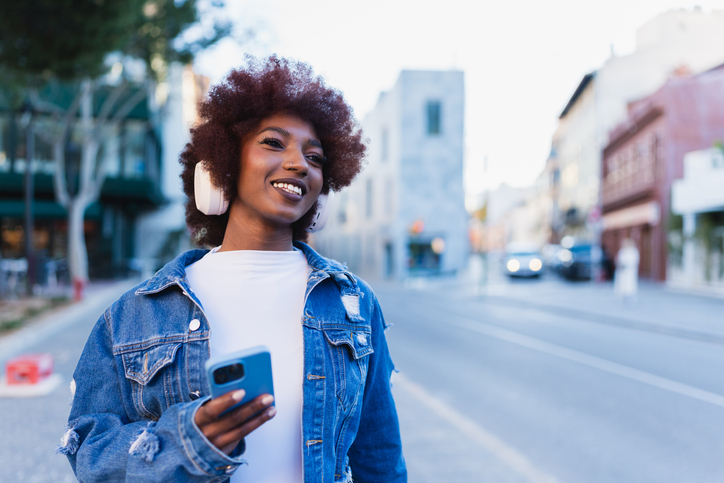
As we dive deeper into Black Music Month, let’s commit not just to celebration, but to action. The bigger picture lies in recognizing the socioeconomic factors that impact the music industry today—access to resources, representation in boardrooms, and fair compensation for artists. It’s vital that we advocate for change, not only to preserve the legacy of Black music but to ensure its future. Let’s listen, learn, and lift each other up, reminding ourselves that, through music, we can heal, unite, and inspire change in the world beyond our headphones.
About The Author