By Renee Fontaine, PowerVault Staff
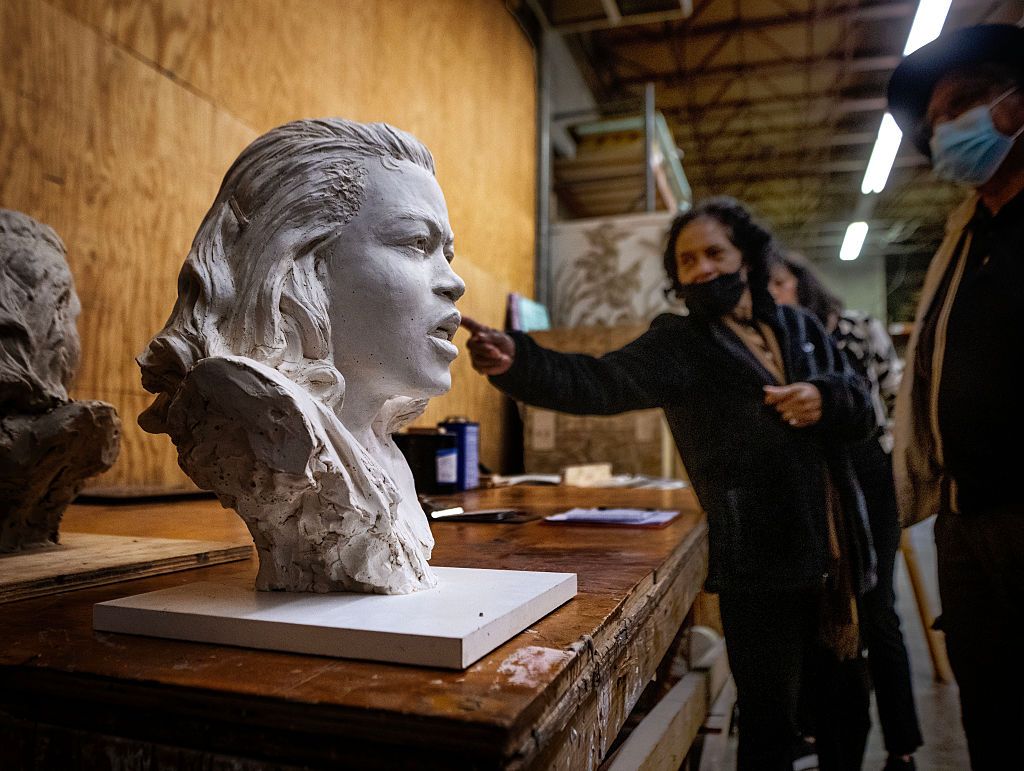
On December 16, 2023, the U.S. Capitol welcomed a new statue that speaks volumes about the power of youth activism and the relentless spirit of Black Americans: Barbara Rose Johns. This brave teenager, who stood against the injustices of segregation in her Virginia high school back in 1951, is now immortalized in a space that once celebrated figures like Robert E. Lee, a symbol of oppression and division. This moment is not just about a statue; it’s about rewriting the narrative of American history and elevating the voices that have long been silenced.
Barbara Johns was only 16 when she organized a walkout at the all-Black Moton High School, protesting the inferior conditions and lack of resources provided to her and her classmates. Her courageous actions contributed to the landmark Supreme Court case Brown v. Board of Education, which ultimately ended school segregation in the United States. By replacing a statue of Lee with one of Johns, we are acknowledging not just her individual bravery, but a collective history of resistance that has shaped the very fabric of this country. It’s a recognition that our fight for equality did not end with the Civil Rights Movement; it continues to evolve and inspire new generations.
This unveiling is a beacon of hope for today’s youth, who are facing their own battles against systemic injustice, from police brutality to environmental racism. Barbara Johns is more than just a historical figure; she embodies the spirit of activism that permeates Black culture today, especially in the realm of hip-hop and social media advocacy. Her legacy encourages young people to challenge the status quo and take a stand for what is right. In a world where representation matters, Johns’ statue serves as a reminder that our voices have power—not just to demand change, but to create it.
Moreover, this moment draws a striking parallel to the recent movements within the hip-hop community, where artists like J. Cole, Kendrick Lamar, and Megan Thee Stallion are using their platforms to advocate for social justice. Just as Johns rallied her peers in the face of adversity, today’s artists are mobilizing fans to engage in the fight against systemic inequities. The cultural shift towards activism in music and the arts reflects the same spirit that propelled a young Barbara Johns decades ago. This connection between past and present underscores a timeless truth: our struggle for equity is interwoven with our expression as a community.
As we look ahead, the statue of Barbara Rose Johns is more than a tribute; it is a call to action. It challenges us to embrace our history and recognize the strides we’ve made while also acknowledging the long road ahead. With movements for racial justice gaining momentum, the unveiling of Johns’ statue sends a clear message: we will not forget the sacrifices made by those who came before us, and we will continue to fight for a world that honors their legacy. Watching how this moment ripples through our culture, inspiring the next generation of activists, will be crucial. As we celebrate this milestone, let’s remember that the true essence of activism lies in our ability to uplift one another, drawing strength from our shared history and pursuing a future where justice prevails.
About The Author