By Renee Fontaine, PowerVault Staff
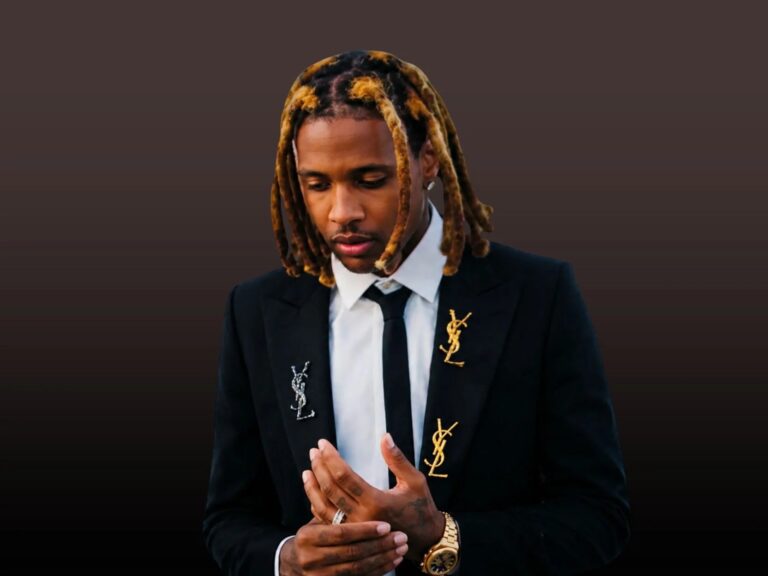
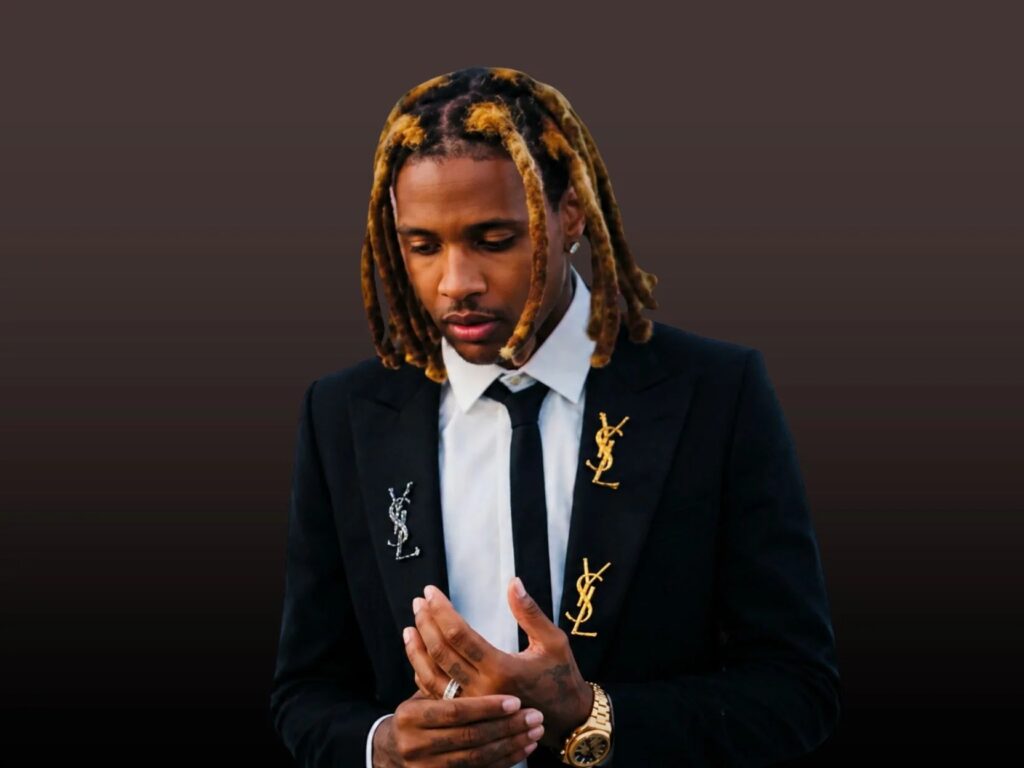
In a dramatic turn of events, federal charges against Lil Durk face a new twist with the recent death of a cooperating witness, raising questions about the fairness of his upcoming trial. The rapper, who has been at the center of legal troubles, now asserts that this development could hinder his ability to receive a fair trial—a claim that resonates deeply within the hip-hop community and the broader conversation about justice in America.
To unpack the significance, we need to rewind a bit. Lil Durk, who has seamlessly woven his life’s struggles into his art, stands accused of serious crimes, including involvement in a shooting. Such charges aren’t just legal troubles; they represent a collision of hip-hop culture with the harsh realities many artists face in society. When the stakes are this high, every aspect of the case becomes illuminated. With a cooperating witness now out of the picture, it raises eyebrows not only about the integrity of the prosecution but about the broader implications of how hip-hop artists are treated in the legal system.
This situation presents a critical reflection point for the culture. The connection between hip-hop and the judicial system is fraught with historical complexities, particularly for Black artists whose lives often serve as case studies for systemic failure. Lil Durk’s predicament isn’t just about his personal battles; it’s emblematic of a larger narrative where Black voices are routinely silenced, marginalized, or criminalized. The persistent targeting of artists through various legal schemes breeds a culture of fear that can undermine creativity and expression, vital components of the hip-hop ethos.
When we examine similar instances in the past, we can’t help but draw parallels to the cases of rappers like Meek Mill and 21 Savage, both of whom faced their own legal challenges that exposed the fallibility of the justice system. These moments serve as stark reminders that the plight of hip-hop artists often transcends individual missteps; it is about the systemic issues that perpetuate cycles of poverty, loss, and disenfranchisement. As these artists navigate their trials, both literal and metaphorical, they reveal how deeply entwined their struggles are with the very fabric of society.
Looking ahead, all eyes will be on Lil Durk as his trial approaches. This moment presents an opportunity for the hip-hop community to rally around its own, to examine how the system interacts with the art form we cherish, and to advocate for justice that is truly fair. As Durk prepares for battle, we must ask ourselves: what will this moment teach us about resilience, representation, and the fight for authenticity in a world that often seeks to erase it? The outcome of this trial isn’t just about one man’s freedom; it echoes louder in a culture desperate for truth and understanding.
About The Author