By DeShawn Price, PowerVault Staff
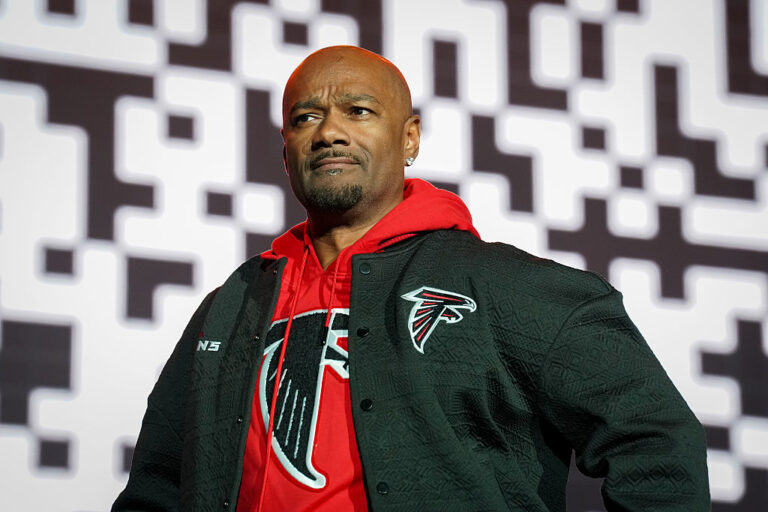
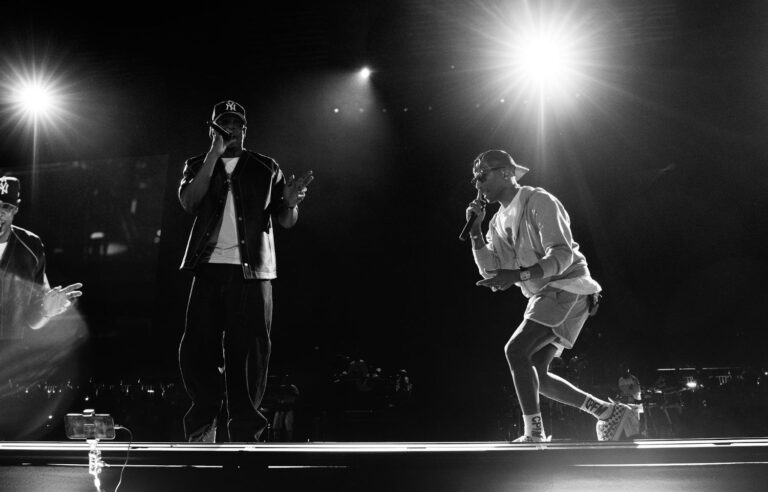
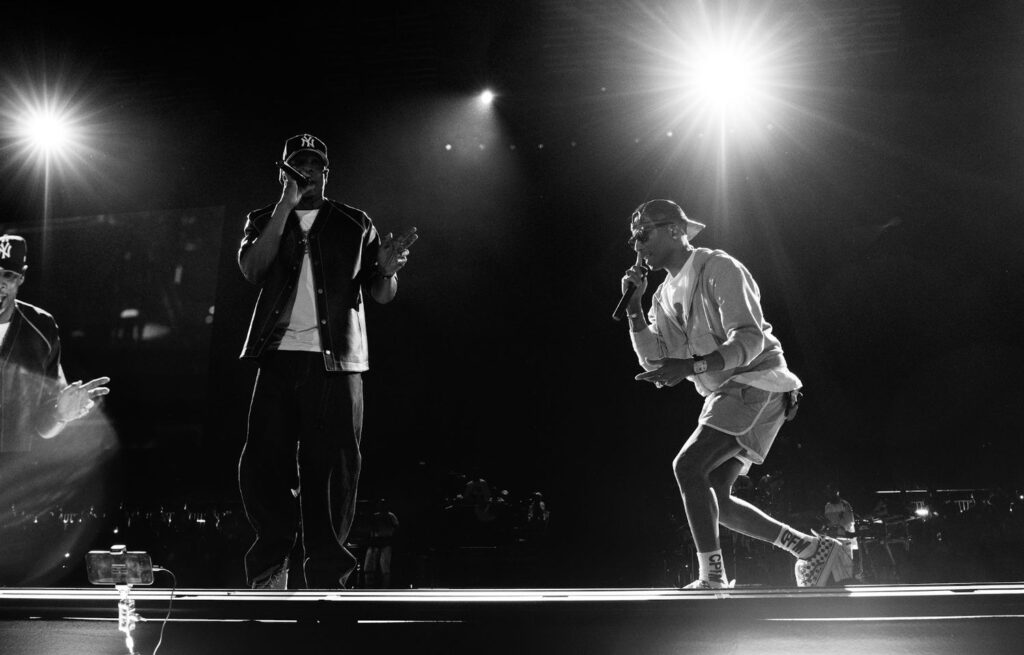
In what can only be described as a triumphant celebration of hip-hop history, Jay-Z took the stage at Yankee Stadium for the second night of his JAY-Z 30 concert series, commemorating the 25th anniversary of ‘The Blueprint.’ Joined by icons like Pharrell Williams, Eminem, and Slick Rick, Hov reminded the world why he is often crowned the king of New York. More than just a performance, this event was a powerful statement about the legacy of hip-hop and its deep ties to Black culture.
‘The Blueprint’ was released in 2001, a defining moment in hip-hop that not only solidified Jay-Z’s status but also helped shape a generation of artists. It was an album that blended lyrical complexity with soulful production, marking a shift in the genre that would influence countless rappers who followed. As we celebrate this quarter-century milestone, it’s crucial to understand that Jay-Z didn’t merely drop an album; he laid the foundation for an entire movement. In many ways, the night was a cry for recognition of the artistry and influence that has emerged from the streets of New York, particularly the contributions of Black artists who have pushed boundaries and reshaped cultural narratives.
What we witnessed at Yankee Stadium was more than just nostalgia; it was a masterclass in cultural significance. With over 45,000 fans in attendance, the event showcased the unyielding love for hip-hop and its profound impact on our communities. It’s a reminder that these artists—celebrated and revered—are not just entertainers; they are the voices of our struggles, triumphs, and dreams. The synergy between Jay-Z and Pharrell, Eminem, and Slick Rick illustrated the interconnectedness of the hip-hop community, a web woven through years of collaboration, inspiration, and respect.
Reflecting on the legendary collaborations, one can’t help but draw parallels to past moments in hip-hop history where unity and celebration of legacy took center stage. Think back to the 2005 ‘Rock the Bells’ festival, which brought together icons like Nas and Rakim, a clear acknowledgment of the roots that have made hip-hop what it is today. Each of these events serves as a touchstone, reminding us that while the music industry often tries to create divides, the essence of hip-hop thrives on collaboration, respect, and shared experience.
As we look to the future, the bigger picture looms large. Jay-Z’s celebration signals a potential resurgence of live performances as cultural phenomena, especially as hip-hop continues to dominate mainstream music. One can only wonder what legacy artists like Jay will pass down to the next generation. Will they continue to honor the roots while innovating and pushing the envelope? With each passing year, the conversation around Black culture and representation in the music industry becomes increasingly relevant, and events like this serve as a powerful reminder that our collective narrative is still being written. Keep your eyes peeled—hip-hop is more than just a genre; it’s a movement, and we’re all part of it.
About The Author