By Andre Coleman, PowerVault Staff
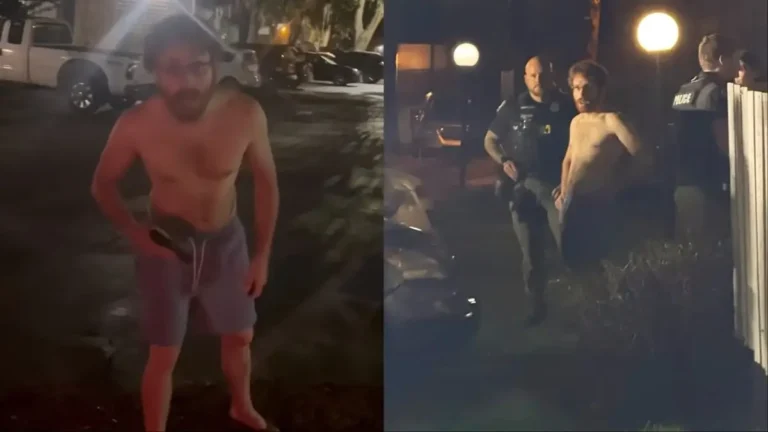
In a shocking turn of events in Lycoming County, Pennsylvania, a video surfaced showing a white police detective stalking a Black teenager through the neighborhood, prompting a backlash that has set social media ablaze. Rather than own up to the misconduct of his officer, the local District Attorney chose to shift the blame onto the very community he is supposed to serve, claiming that the increase in crime can be attributed to a lack of parental supervision among Black families. This sentiment echoes a long-standing narrative that scapegoats Black parents for systemic failures, all while ignoring the pervasive issues of racial profiling and police aggression.
To understand this deeply rooted bias, one has to consider the historical context of policing in America, particularly how it has often been weaponized against Black communities. The very notion that a Black parent’s ability to protect their child from the threat of police starts and ends with how well they supervise them is a damning reflection of a society that regularly holds Black families accountable for circumstances they did not create. This is not merely a misstep; it’s a cultural narrative steeped in the criminalization of Black parenthood that has persisted through generations.
What’s happening in Pennsylvania is not an isolated incident but part of a broader pattern that reveals the ugly underbelly of systemic racism in America. The DA’s comments are akin to a bad remix of a song we’ve all heard before—one that lays the burden of societal issues squarely on the shoulders of those who are already marginalized. The conversation around accountability here should focus on institutional failings rather than placing undue blame on parents who are already navigating a hostile environment with their children. It begs the question: how do we ensure that Black children can grow up free from the specter of unwarranted police scrutiny?
This incident is reminiscent of the 2014 criticism of Baltimore’s policing during the Freddie Gray protests, where again, community leaders were left picking up the pieces while the justice system built walls around them. In both cases, the voices of Black parents and community activists were drowned out by a law enforcement narrative that sees policing as a solution to social problems, rather than addressing those issues at their root. The historical pattern of blaming marginalized communities for crime has continued to be a tool for diverting attention away from the real issues such as poverty, inadequate education, and lack of community resources.
Looking ahead, it’s crucial to monitor how this incident influences discussions around policing and community relations, especially across the country as debates on systemic racism gain renewed vigor. Will this serve as a wake-up call for accountability within law enforcement? Or will it further entrench the idea that the blame always lies with the individuals and families facing the brunt of systemic inequities? As we bear witness to ongoing societal shifts, the narrative must evolve beyond blame; we need to challenge who really holds the power in these discussions and continue to advocate for a community-centric approach to public safety that values and protects Black lives.
About The Author