By Marcus Ellison, PowerVault Staff
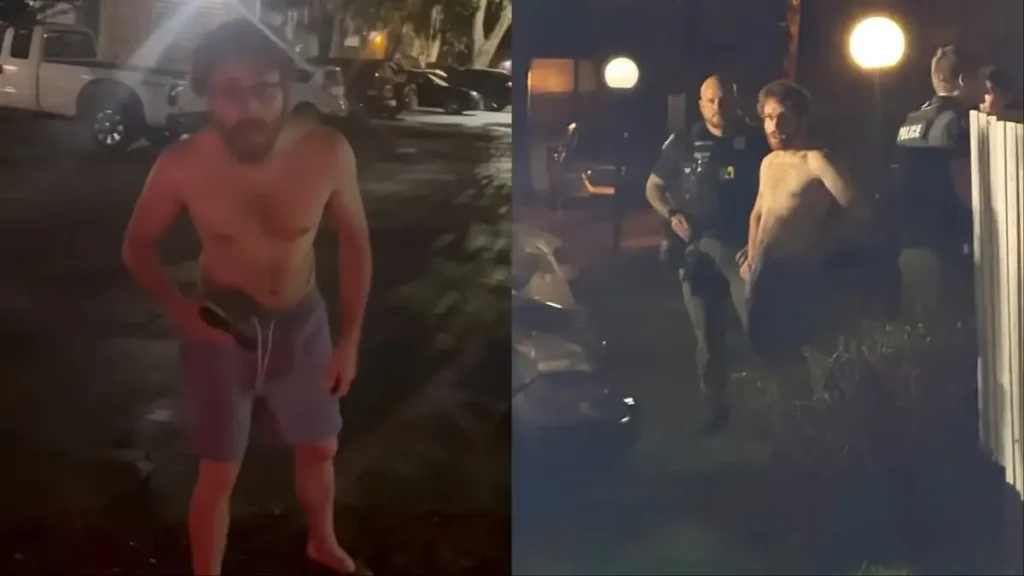
In a troubling incident that echoes far too many stories of racial intimidation, a Black man in Brunswick found himself targeted by an armed white neighbor simply for enjoying his music a little too loudly. This confrontation escalated to a point where the white man felt empowered to brandish a gun, a chilling display of how deeply fear and ignorance can intertwine in our communities. Thankfully, in a twist of fate that almost feels like poetic justice, the Black man remained unyielded by the threat, ultimately causing his neighbor to rethink his rash decision—and rightly so. This isn’t just a tale of one neighborhood dispute; it’s a glaring reminder of the racial tensions that still plague our society.
To fully grasp the implications of this event, we must delve into the historical baggage tied to music as a form of expression within the Black community. Music has always served as a lifeline, a source of joy, and a way to express one’s identity and struggles. From the soulful laments of blues to the energetic beats of hip-hop, our cultural soundscapes have provided refuge and resilience for generations. Yet, these very expressions often meet resistance from those who view them as disruptive or unwelcome. The loudness of our music is frequently perceived not just as noise but as a challenge to the status quo—a reminder that we are still here, thriving and unapologetic.
This incident exposes a larger societal issue: the ongoing battle for space and acceptance in predominantly white neighborhoods. Usually, it’s the white residents who determine what constitutes acceptable noise levels, often framing their complaints around a so-called need for ‘peace’ while ignoring the cultural significance of the sounds they wish to suppress. The tension between Black expression and white control manifests itself in countless ways, but this incident starkly illustrates how fragile that balance can be. When a neighbor threatens violence over something as fundamental as music, it speaks volumes about the insecurities bred from systemic racism and privilege.
Looking back, one can’t help but think of other iconic moments where music and racial tensions collided. Consider the legacy of Motown and how it broke through racial barriers in music but also faced a backlash from communities resistant to change. Similarly, events during the summer of 2020 highlighted how Black joy and celebration could be misinterpreted or overtly criticized, showcasing a pattern that repeats itself in American culture. While we’ve come a long way, the fact that such confrontations continue to occur suggests we have a long road ahead.
As we watch this story unfold, let’s remember that the loudness of our music is not merely a nuisance but a declaration of our presence. This incident shines a light on a dual reality: the power of our voices and the fear it instills in those who still cling to outdated perceptions of racial hierarchy. Moving forward, it’s crucial to keep our eyes on the ongoing conversations about race, art, and expression. The next time a neighborhood argument over music arises, let’s hope it doesn’t escalate to threats of violence, but rather becomes an opportunity for dialogue. After all, our music is not just content; it’s a cultural force that demands recognition, respect, and above all, space.
About The Author