By Jasmine Reed, PowerVault Staff
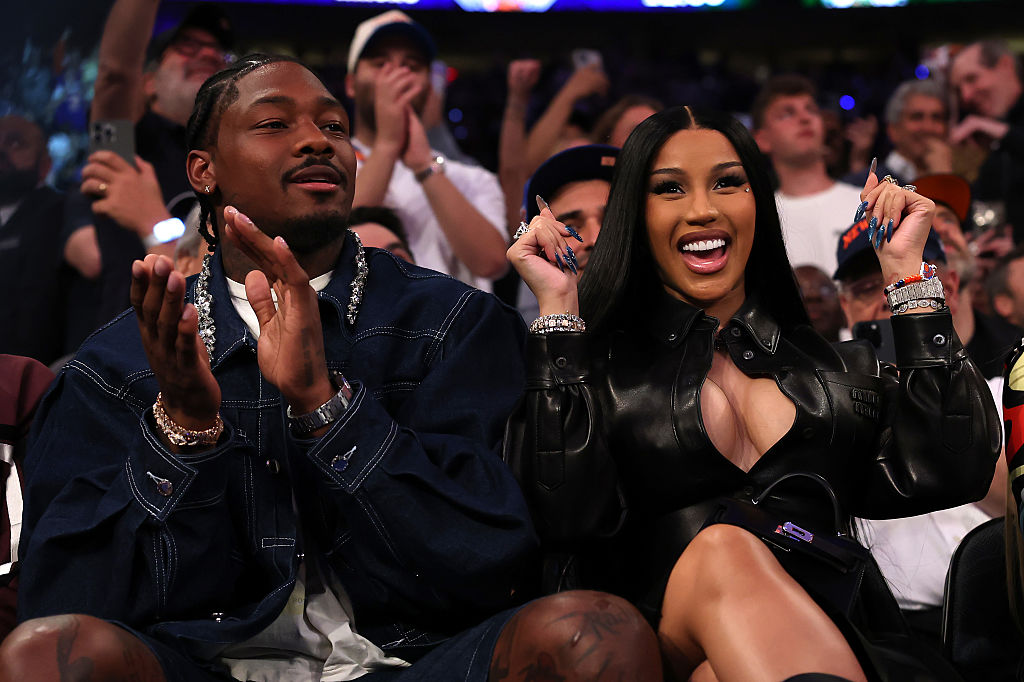
In a bold display of loyalty, Cardi B recently came to the defense of NFL star Stefon Diggs, who has been embroiled in sexual assault claims made by Christopher Blake Griffith. Cardi didn’t mince her words, calling Griffith a “light skin albino” and accusing him of being ‘obsessed’ with Diggs. This confrontation highlights not only the complexities of public scrutiny surrounding assault allegations but also the fierce protectiveness that often emerges within the Black community when one of its own is under attack.
At the heart of this situation is the troubling pattern of media narratives that can often sensationalize or distort accusations, particularly against Black men. Stefon Diggs is a prominent figure, not just in sports but in the cultural landscape as well, and allegations like these can have long-lasting ramifications on his career and personal life. Cardi’s pointed remarks about Griffith’s motives suggest a deeper layer to the story, indicating that there may be personal vendettas at play, which only complicates the already fraught discussions surrounding consent, credibility, and accountability.
The conversation that Cardi has sparked is vital in a culture that sometimes fails to protect its own. In many ways, this aligns with historical instances where the Black community has had to come together to defend its members against systemic injustices. From the civil rights movement to today’s social justice movements, there is a clear thread that runs through it all: the urgent need for solidarity. Cardi’s willingness to stand up and speak out resonates with a collective sentiment that many in the community feel—when one falls under the weight of accusations, it is our duty to respond with unwavering support.
This situation also evokes the memory of similar instances where celebrities have been accused, and the media frenzy that ensued. Think back to the reaction surrounding the allegations against R. Kelly or even the scrutiny faced by Jussie Smollett. In both cases, public opinion shifted rapidly, and the narratives crafted by the media often overshadowed the complexities of the truth. Cardi’s stance serves as a reminder that these situations are not black and white; they are often tangled in personal histories, biases, and the relentless pursuit of fame.
As we move forward, the question remains: what does justice look like in these circumstances? Will the media adjust its narrative to ensure that all perspectives are considered and that accountability is balanced with the presumption of innocence? Cardi B’s passionate defense of Stefon Diggs calls upon us to reflect on our role in these discussions and challenges us to ensure that our community remains vigilant—supportive of one another while also advocating for justice. The road ahead is uncertain, but one thing is clear: the voices of Black women like Cardi matter tremendously in shaping this discourse.
About The Author