By Renee Fontaine, PowerVault Staff
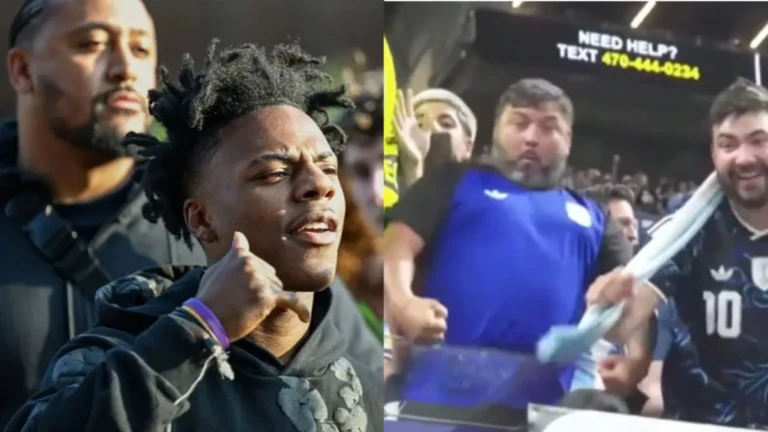
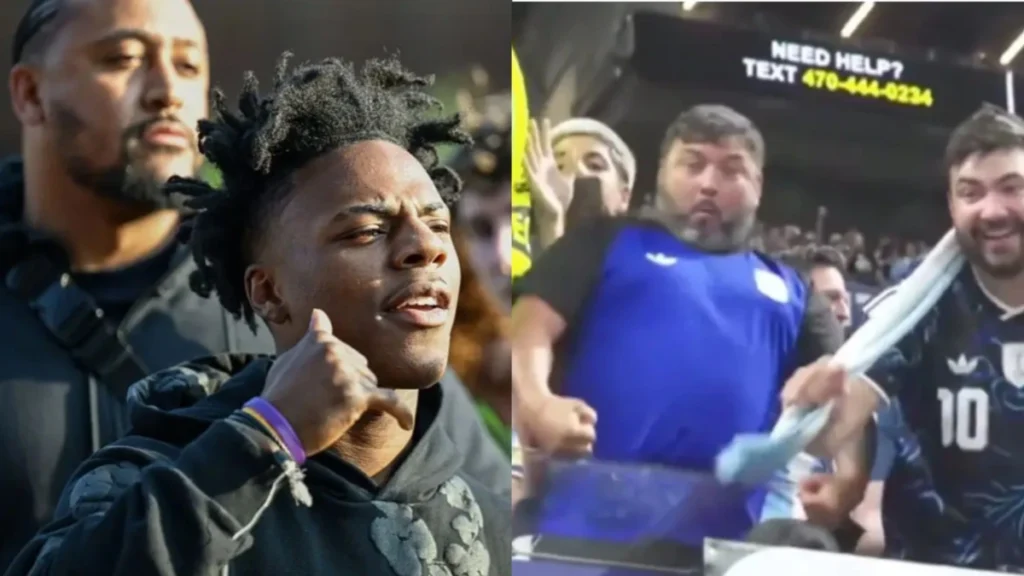
Recently, a viral moment unfolded during a FIFA event that diminished the excitement of the game, as an Argentina fan made a monkey gesture toward popular streamer IShowSpeed. In an age where the world is watching and scrutinizing every action, this incident drew immediate condemnation, with many labeling the gesture as overtly racist. The fan, caught in the crossfire of social media outrage, scrambled to defend himself, insisting, ‘I wasn’t being racist.’ But that is the very crux of the matter: the nuances of intent versus impact when it comes to racism.
To understand the depth of this situation, we must acknowledge the historical context of racism in sports, especially in a world stage event like FIFA, which is rife with national pride and rivalry. Soccer has always been a melting pot of cultures, where players from diverse backgrounds come together, yet it has also been a stage for some of the ugliest displays of racism. The monkey gesture, deeply rooted in derogatory racial stereotypes, conjures an ugly history that many are quick to dismiss as mere trolling. However, this dismissiveness reveals a troubling ignorance about what it means to be part of a global community, particularly one that encompasses a vast African diaspora.
This incident shines a light on a broader cultural issue within sports and society at large. Fans of color, particularly those in the Black community, have long been the subject of ridicule and disrespect, often reduced to caricatures and stereotypes. When a white fan resorts to monkey gestures, it isn’t just a harmless joke; it’s a reminder of systemic racism that still permeates our society. The reaction to this incident is not just about one man’s actions but reflects ongoing struggles against racism, and the need for accountability. The fact that FIFA is now launching an investigation underscores the significance of the moment and the necessity for sports organizations to take a stand against racism, rather than sweeping it under the rug.
Drawing parallels to past incidents, we can look back at the 2019 Copa América, where a series of racist attacks on Brazilian players were met with obligatory apologies that never amounted to meaningful change. This pattern of reactive measures rather than proactive solutions has done little to foster a positive environment for all fans. When we hear statements like ‘I wasn’t being racist,’ it is often a reflection of the society that allows such behavior to fester—one that is quick to dismiss racism as an issue while failing to understand the gravity of its implications.
As we move forward, we need to ask ourselves what this moment signifies for the future of sports culture. Will this incident push FIFA and other organizations to adopt stringent measures against racism, or will it be yet another moment where outrage fades and nothing really changes? The conversation must not end here; it should compel us to challenge the narratives we’ve accepted for far too long and demand real change in how we address racism in every facet of life. As fans, players, and allies, we have the power to hold each other accountable. In a world that increasingly connects us, we must ensure that our actions reflect respect, empathy, and understanding—or risk being trapped in the vicious cycle of ignorance.
About The Author