By DeShawn Price, PowerVault Staff
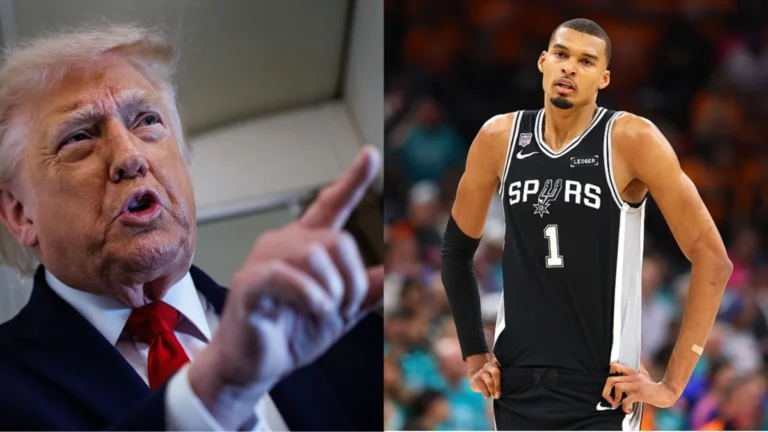
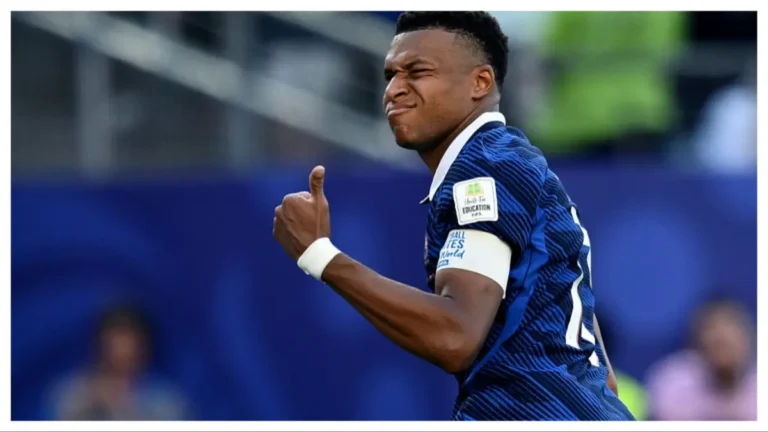
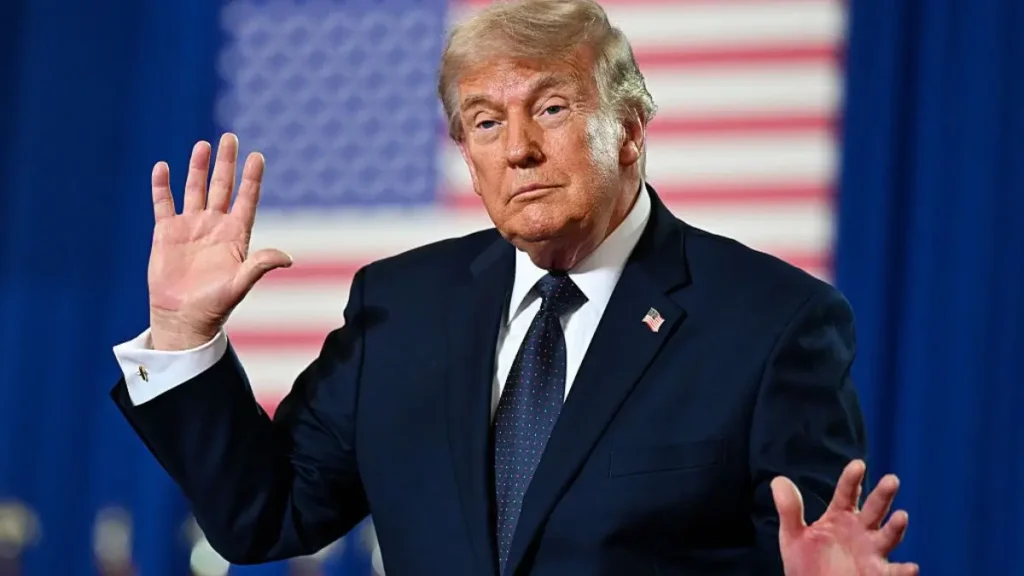
In a spectacle reminiscent of a reality TV show gone wrong, Donald Trump recently inserted himself into the pregame of the U.S. World Cup match against Belgium. What should have been a moment of national pride quickly devolved into a social media roast, as critics branded him America’s bad luck charm. With rivals and fans alike seizing the opportunity to pile on, it turns out that Trump’s brash attempts to affiliate with sports haven’t quite landed the way he envisioned.
To understand the fallout, one must consider the broader context of sports in America, particularly in the realm of soccer, which has been gaining traction as more than just a pastime for kids in suburban neighborhoods. The World Cup represents a melting pot of culture, pride, and competition. Yet here we have a figure who many perceive as a polarizing force. For countless Americans, Trump’s mixed bag of policies and behavior—ranging from the racially charged to the blatantly controversial—has left a mark on everything he touches, including the sports that, at their core, aim to unite rather than divide.
The cultural implications are significant. In a landscape where sports serve as a critical platform for social change and activism—think of athletes like Colin Kaepernick who used their platforms to stir conversation around racial injustice—Trump’s presence feels like a derailment of that progress. It’s a reminder that while sports can bring people together, they can also be a battleground for the political climate of the day. The U.S. soccer team is comprised of players from diverse backgrounds and experiences, representing the very fabric of American society. When Trump steps in, it feels less like a celebration of that diversity and more like an overshadowing cloud of controversy.
This isn’t the first time we’ve seen a celebrity or political figure try to leap into the sports arena, only to be met with backlash. Think back to the backlash against Kanye West after his infamous meeting with Trump. That moment, much like Trump’s latest faux pas, highlighted the divide between political allegiances and cultural solidarity. When figures who embody significant cultural weight attach themselves to a contentious political narrative, it often leads to strain within their communities. The reaction to Trump’s World Cup cameo mirrors this sentiment—athletes and fans alike are not just sporting jerseys; they’re wearing their ideals and values on their sleeves.
As we look ahead, what does this mean for the future of sports and politics in America? With the 2024 presidential election on the horizon, we can anticipate more of these awkward collisions between sports and politics. Will athletes continue to use their voice to challenge figures like Trump, or will political involvement in sports become even more entrenched? One thing is clear: the World Cup is not just about soccer; it’s about identity, community, and the narratives we choose to embrace. The intersection of sports and politics will undoubtedly be a space to watch, as the cultural commentary continues to unfold in real-time.
About The Author