By Marcus Ellison, PowerVault Staff
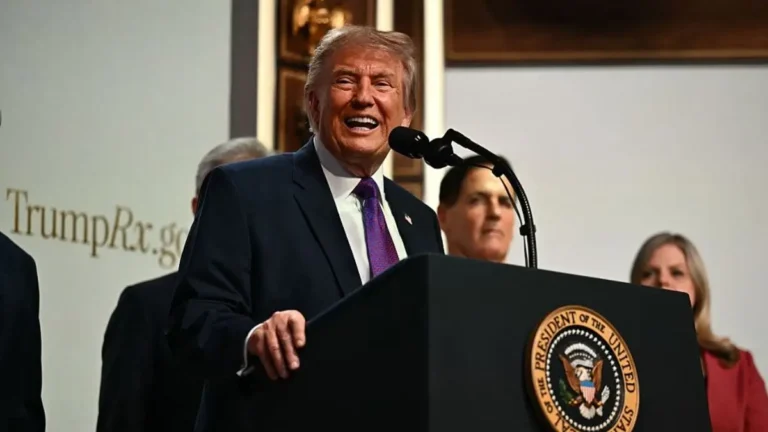
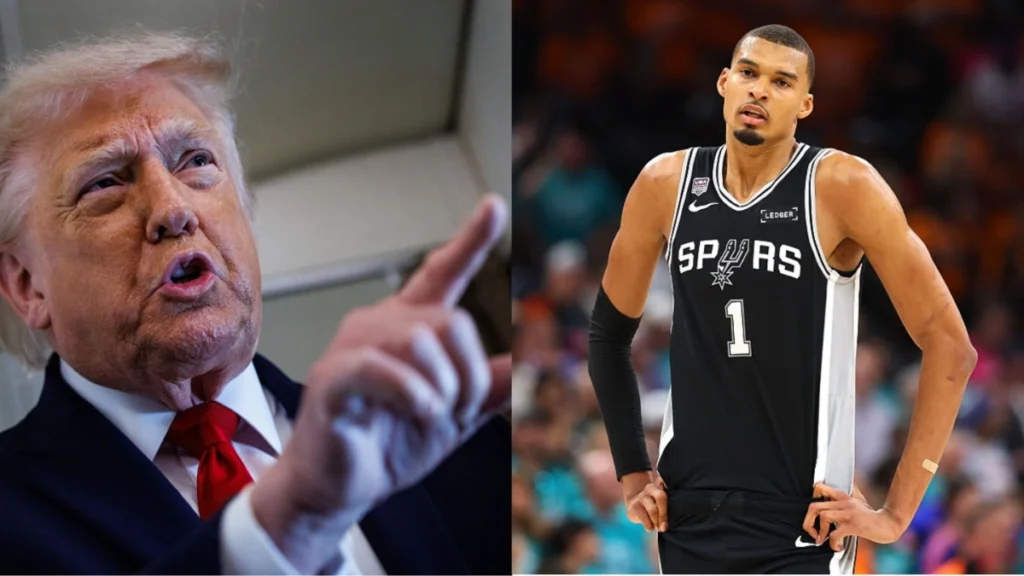
Victor Wembanyama, the San Antonio Spurs rookie sensation, has found himself at the center of controversy for a decision that was meant to be harmless but has blown up into a political firestorm. A viral pre-game moment saw the 19-year-old engaging in a light-hearted interaction—a subtle nod to his youth and personality—but it didn’t take long for critics to pounce, with former President Trump himself weighing in. This incident strikes at the heart of not only Wemby’s experience as a young athlete but also brings to the forefront a troubling trend in how we scrutinize young Black men in the public eye.
To understand the backlash, we must consider the stakes woven into the fabric of sports and culture. Wemby is not just any rookie; he’s a global phenom, a representation of hope and potential for many in the Black community. With every dribble, every dunk, he carries the aspirations of a generation, and that weight can be suffocating. Yet, in a society that often demands perfection from its stars, a seemingly innocent moment has been weaponized, reflecting a double standard that Black athletes repeatedly face. While white counterparts are afforded the grace of youth, Wemby’s every move is dissected, as if he’s somehow held to a different set of rules.
This situation goes beyond sports; it’s a reflection of the cultural narrative that surrounds young Black men. We often see how society is eager to strip them of their childhood, forcing them into a box of expectations that can overshadow their very humanity. Wemby is still figuring out who he is—not just as a basketball player but as a young man navigating fame, fortune, and the pressure that comes with them. The expectation for him to always be a role model can feel overwhelming, especially when all he might be trying to do is be himself.
This isn’t the first time we’ve seen a gifted young athlete caught in the crosshairs of media and public scrutiny. Think back to the way NBA star LeBron James was judged for his decisions early in his career—a young man who was thrust into the limelight and forced to grapple with the burden of representation. Like Wemby, LeBron faced a myriad of expectations from fans and critics alike, questioning his maturity and decisions rather than appreciating his journey. The common thread here is clear: society often forgets that these athletes, despite their extraordinary talents, are still kids trying to navigate their way through a complicated world.
As we look ahead, it’s critical for us to champion a culture that allows space for mistakes and growth. Victor Wembanyama’s situation serves as both a cautionary tale and a rallying call for more understanding and empathy toward young Black athletes. The coming weeks will undoubtedly reveal how Wemby handles the pressure, but it is equally important for us as a community to support him and acknowledge the complexities of his experience. This is not just about basketball; it is about crafting a legacy that allows future generations to rise without the fear of losing their childhood in the spotlight.
About The Author