By DeShawn Price, PowerVault Staff
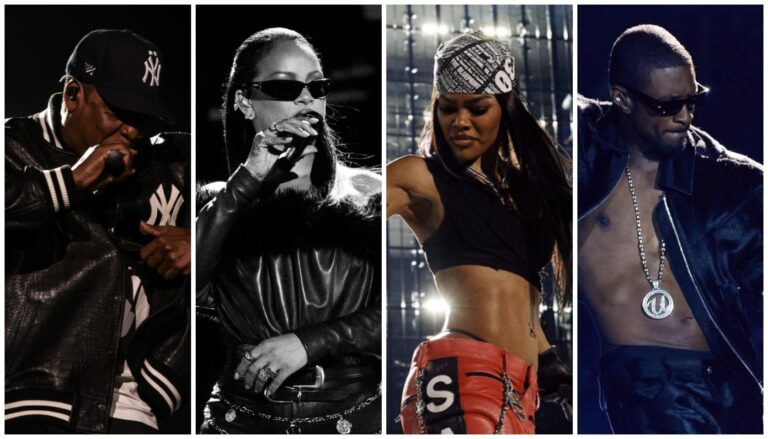
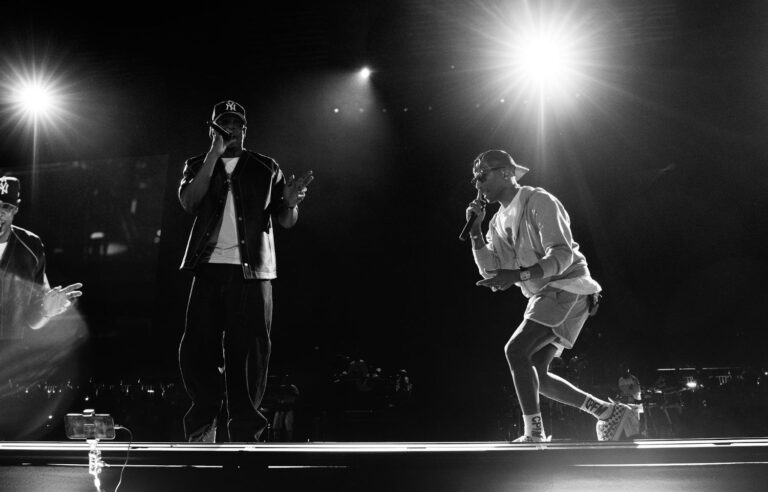
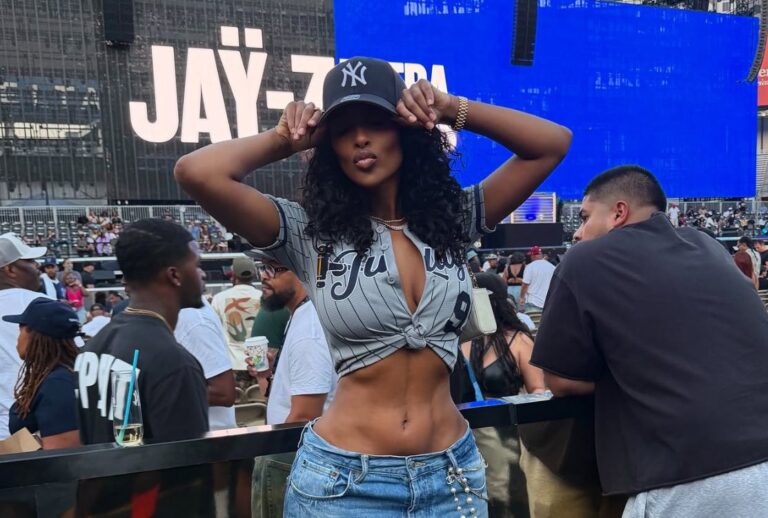
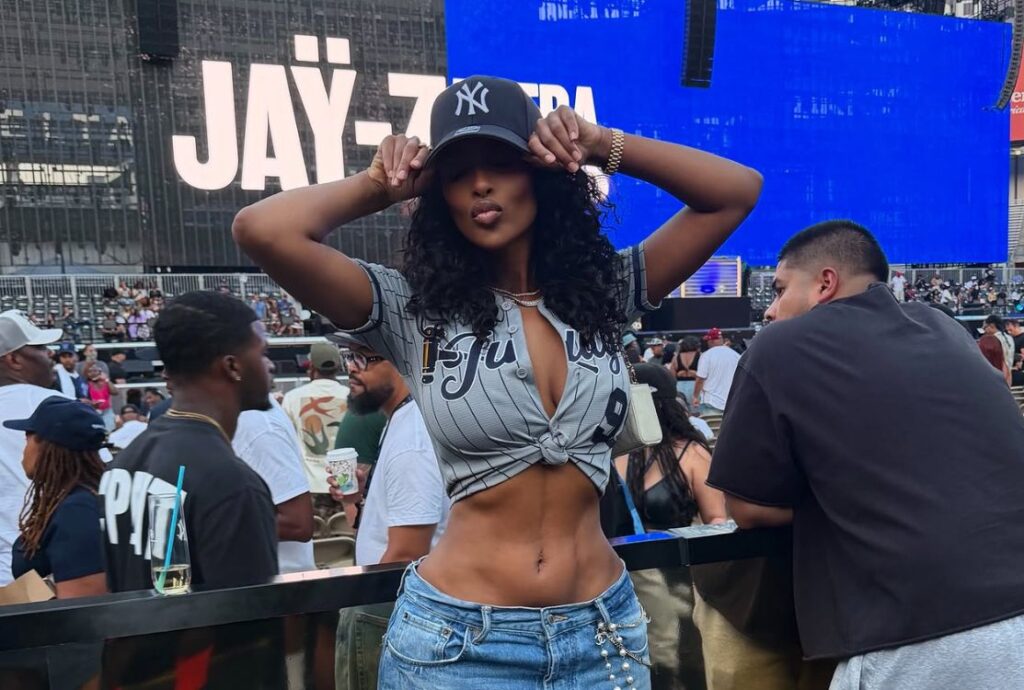
When JAŸ-Z graced Yankee Stadium for a historic three-night series, it wasn’t just a concert; it was a cultural phenomenon. The legendary rapper, fresh off his explosive set at the Roots Picnic, brought his timeless classics to life under the bright lights of one of America’s most iconic venues. Fans poured in, not just for the music but to witness a moment that fused hip-hop swagger with New York energy, a celebration of artistry that was as much about the community as it was about the man behind the mic.
This monumental event was a culmination of Hov’s legacy, a masterclass in hip-hop evolution. We’re talking about a man who redefined the game from the streets of Brooklyn to the boardrooms, whose influence stretches far beyond music. The concert series served as a reminder of how hip-hop has grown into a global juggernaut, making waves that ripple through culture, fashion, and social commentary. But what stood out even more was how this event showcased the baddie blueprint — the confidence, style, and unapologetic presence of Black women in this space.
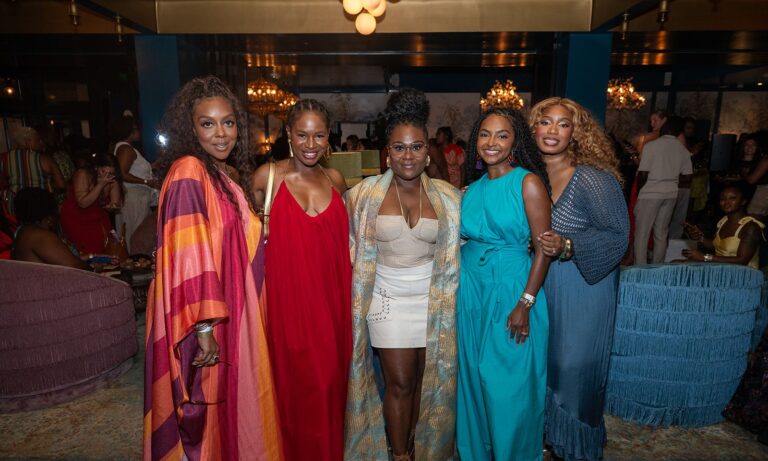
The energy at Yankee Stadium was electric, buzzing with the fierce representation of the ROC girlies and other fly shorties who embody that baddie ethos. These women weren’t just there as spectators; they were the scene — commanding attention with their artistry, fashion, and tenacity. This is more than a trend; it’s a cultural movement that champions the multifaceted Black woman. Just as Hov has lifted himself up, he’s also shining a spotlight on the women who have been integral to the narrative of hip-hop. The ladies are not just along for the ride; they are co-pilots in this journey of self-expression and empowerment.
Reflecting on this, it’s hard not to draw parallels to previous moments in hip-hop history, like the early 2000s when Missy Elliott and Eve were dominating the charts or when the likes of Lil’ Kim redefined femininity in rap. Each era has brought forward women who pushed boundaries, but the current wave feels different. Social media has amplified their voices, allowing a new generation to share their stories, connect, and create. The baddie blueprint we see today is rooted in empowerment and individuality, a testament to the resilience of Black women who continue to inspire.
Looking ahead, it’s essential to keep our eyes peeled for what’s next. Hov’s stadium takeover set a new standard, but it also paved the way for the next generation of artists who are watching, learning, and ready to step up. We should be anticipating how these emerging voices will continue to shape the narrative, blend genres, and redefine the cultural landscape. The future is bright, and as long as we celebrate, elevate, and empower our artists, especially our women, hip-hop will remain a thriving heartbeat in the fabric of American culture.
About The Author