By Malik Carter, PowerVault Staff
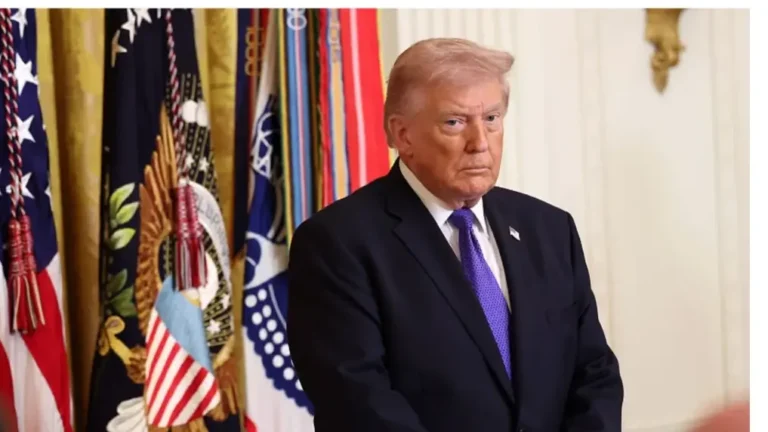
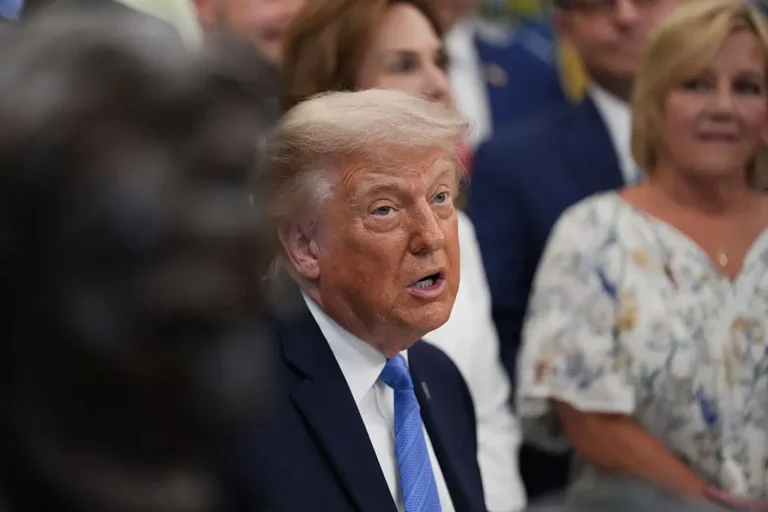
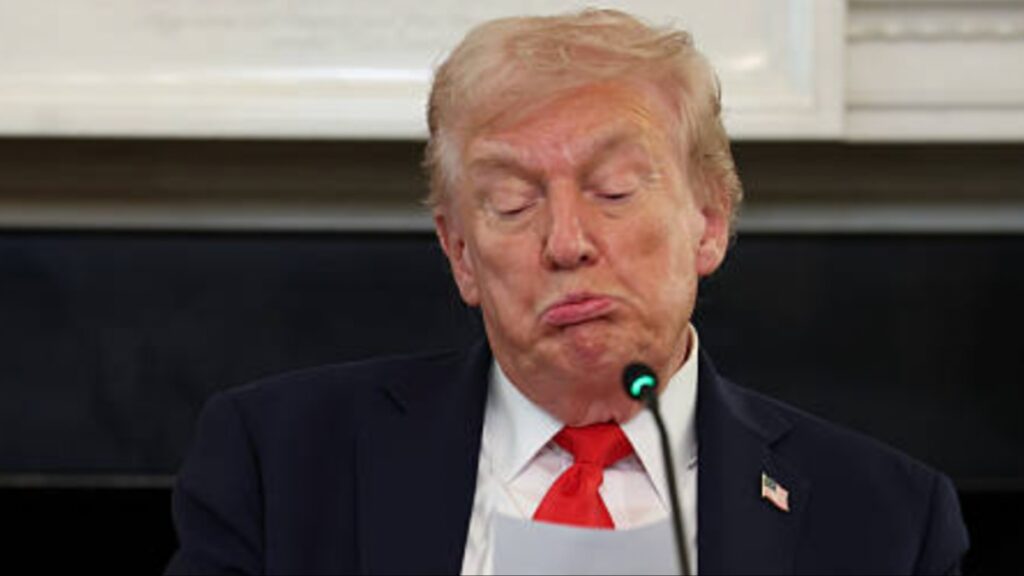
In an amusing twist of fate, President Donald Trump recently attempted to mock Democrats during a White House event but ended up with egg on his face when he mistakenly claimed that a key economic term was invented by them. The comment was supposed to be a comedic jab, but instead, it backfired spectacularly, showcasing not only his lack of political savvy but also the fragility of his party’s messaging in these turbulent times.
This moment isn’t just a one-off blunder; it sits within the broader context of an administration that has, time and again, delivered half-baked comments and cringe-worthy gaffes. The political landscape has become a stage for theatrical performances rather than substantive dialogue. For many, Trump’s presidency has been defined by a pattern of sound bites that prioritize entertainment over facts — and this latest incident is a sharp reminder of how the line between humor and hypocrisy can easily blur.
For our community, these moments cut deeper than mere political theater. They reveal a stark reality: the leaders we elect, whether they fall on the right or the left, often fail to grasp the economic challenges that our communities face daily. While Trump’s attempt at humor may have amused some of his supporters, it highlights a greater disconnect between politicians and the lived experiences of Black Americans. Issues of affordability, economic accessibility, and genuine opportunities have become talking points rather than actionable policies. The laughter at Trump’s expense must also be a call to action for our own community to demand clarity, accountability, and inclusivity from those in power.
Looking back, this situation brings to mind the infamous moment when a frustrated George W. Bush attempted to joke about his own infamous gaffes, only to underscore the very incompetence he was trying to mask. It’s a fascinating and often frustrating cycle where the powerful can joke about their failures, yet those same failures deeply affect marginalized communities. For us, it’s a reminder that our struggles are often dismissed as punchlines in a game for the elite.
As we look to the future, we must stay vigilant. The political landscape continues to shift, and with it comes the potential for leaders who understand and prioritize the needs of our communities. With election season on the horizon, we should watch how this interaction influences the upcoming debates and how candidates engage with the very real economic issues facing Black families. If history has taught us anything, it’s that laughter may mask incompetence, but it’s our voices, our demands, and our unity that will ultimately shape the narrative moving forward.
About The Author