By Marcus Ellison, PowerVault Staff
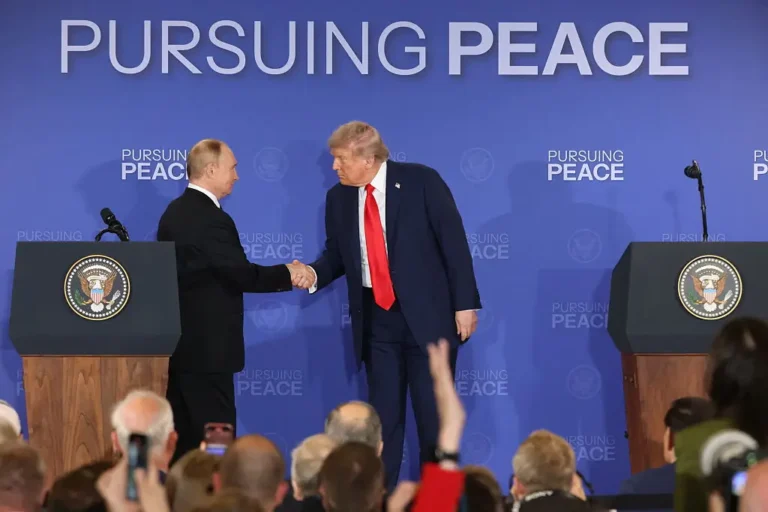
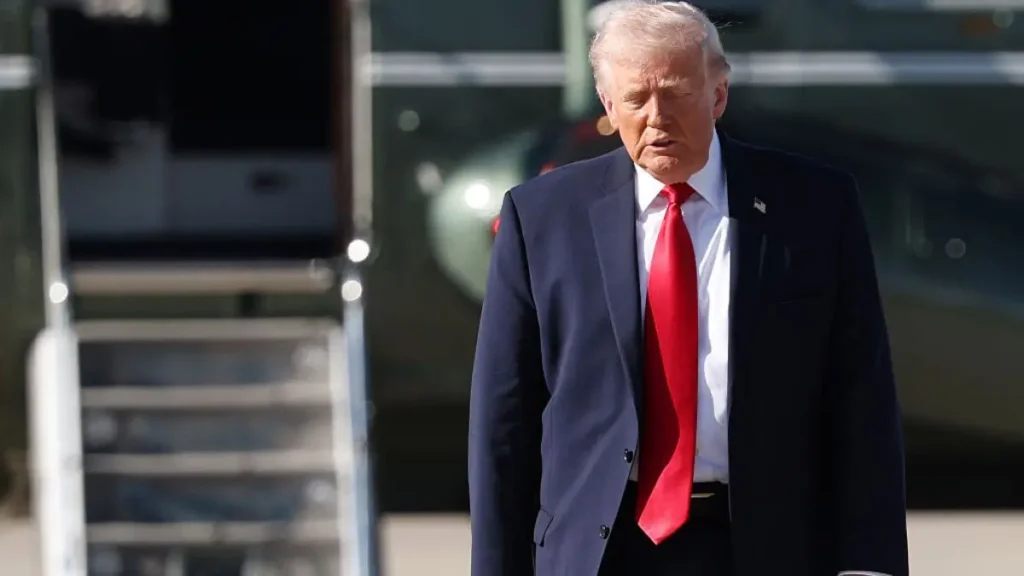
Recently, former President Donald Trump made headlines not for his political policies or statements, but rather for an awkward exit from his plane that caught the internet’s attention. As he stepped onto the tarmac after returning from a summit, all eyes were on Trump’s peculiar gait, leading to a social media frenzy filled with memes and mockery. This moment, seemingly trivial, encapsulates much more than just a peculiar walk; it speaks volumes about the culture of political performance in our society.
To understand why such a seemingly small incident resonates so deeply, we have to look at the backdrop of Trump’s presidency and the polarizing effect he has on the national conversation. Trump’s tenure was marked by spectacle — from his unconventional speeches to his attention-grabbing policies. He is no stranger to the limelight, and this peculiar moment serves as a reminder of the exaggerated personas often adopted by public figures. In a political landscape that thrives on media representation and public perception, Trump’s odd exit reminds us how little it takes to divert attention from pressing issues.
For the culture, this incident highlights our collective obsession with image over substance. The internet’s reaction reflects a broader societal trend where personal branding often outweighs political integrity. This moment isn’t just about Trump; it’s about a culture that has evolved to prioritize optics. In a world where TikTok dances and viral moments can garner more engagement than policy discussions, we are left to wonder about the implications for our political discourse. Are we shaping leaders who inspire or entertainers who distract?
Looking back, one could draw parallels to the era of President Barack Obama, who masterfully maneuvered through public and media perception. Obama’s cool demeanor and eloquent speeches contrasted sharply with Trump’s bombastic style. Despite the political divides, Obama’s presence was often marked by grace and confidence, reinforcing the notion that leadership should be about more than just appearances. But as we now witness, the line between politics and performance art is increasingly blurred.
As we follow the unfolding narrative surrounding Trump, it’s crucial to keep our eyes on the bigger picture. What does this strange behavior tell us about the state of political engagement in America? It prompts us to consider how we, as a society, engage with our leaders. It’s a reminder that the conversations we have about our leaders reflect our values. In the future, we should strive to prioritize authenticity, integrity, and genuine discourse over mere performances that entertain but ultimately lead us astray. Let’s hope that we can turn down the volume on the spectacle and up the stakes on the substance.
About The Author