By Simone Walker, PowerVault Staff
In Memphis, Tennessee, a harrowing incident has left a community reeling. A Black mother is now facing first-degree murder charges after she shot a man she claims was hiding under her daughter’s bed. This tragic event is a stark reminder of the lengths to which a parent will go to protect their child, yet it raises urgent questions about safety, justice, and the systemic issues that often complicate such situations.
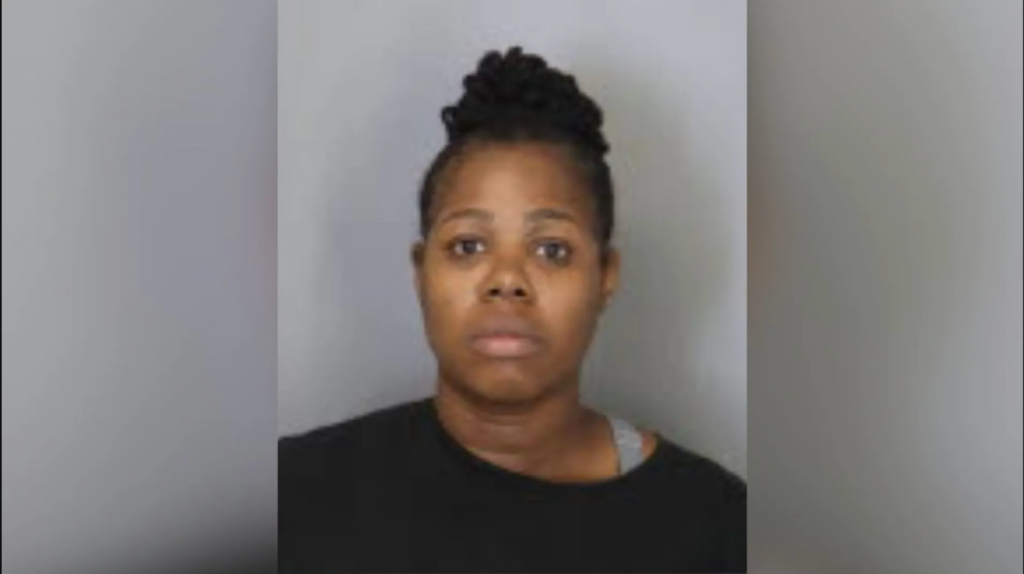
To truly grasp the full weight of this story, we need to consider the backdrop. The mother, Kendra Johnson, allegedly found the man concealed in her home in the dead of night, a scenario that strikes terror in the heart of any parent. In neighborhoods across America, particularly those disproportionately affected by crime and violence, the fear of intruders is unfortunately a reality. This mother’s instinct to protect her daughter is not just a personal narrative but a reflection of the broader societal anxieties that many Black families face in the context of urban violence, poverty, and systemic neglect. In a world where so many feel unsafe in their own homes, how would any parent react in such a moment?
From a cultural perspective, this incident sheds light on the precarious balance between self-defense and the judicial system that often finds itself harshest on Black bodies, particularly Black women. The expectation that Black mothers should be both nurturing and protective often clashes with the legal consequences of their actions. Johnson’s fate will likely depend on the interpretation of ‘reasonable fear’—a standard that historically has not favored Black individuals in the eyes of the law. This situation calls into question the systemic inequalities that exist within our justice system and how they disproportionately impact our communities.
Looking back, this incident reminds me of the case of Marissa Alexander, a Black woman in Florida who faced decades in prison for firing a warning shot to protect herself from an abusive partner. Both stories reflect a tragic irony: the justice system punishing the very thing it is supposed to protect—our right to defend ourselves and our families. This speaks volumes about the narrative that society constructs around Black women and their autonomy. In many cases, they are left to navigate a legal landscape that views their protective instincts as criminal rather than instinctual.
As we reflect on this painful story, we must keep an eye on what happens next in Johnson’s case. Will the courts recognize her actions as those of a mother defending her child, or will they view them through the lens of a criminal act? This case could serve as a pivotal moment for discussions around self-defense laws and the treatment of Black individuals in the judicial system. While we hope for justice and understanding for Johnson and her family, it also begs a larger question: how do we create a society where Black families can feel safe at home without the fear of violence, and where their protective actions are not met with harsh repercussions? The culture, the community, and the system must respond.
About The Author