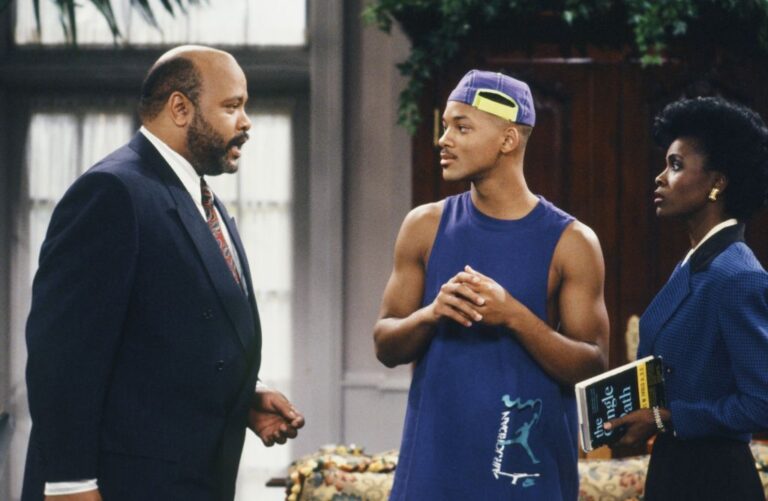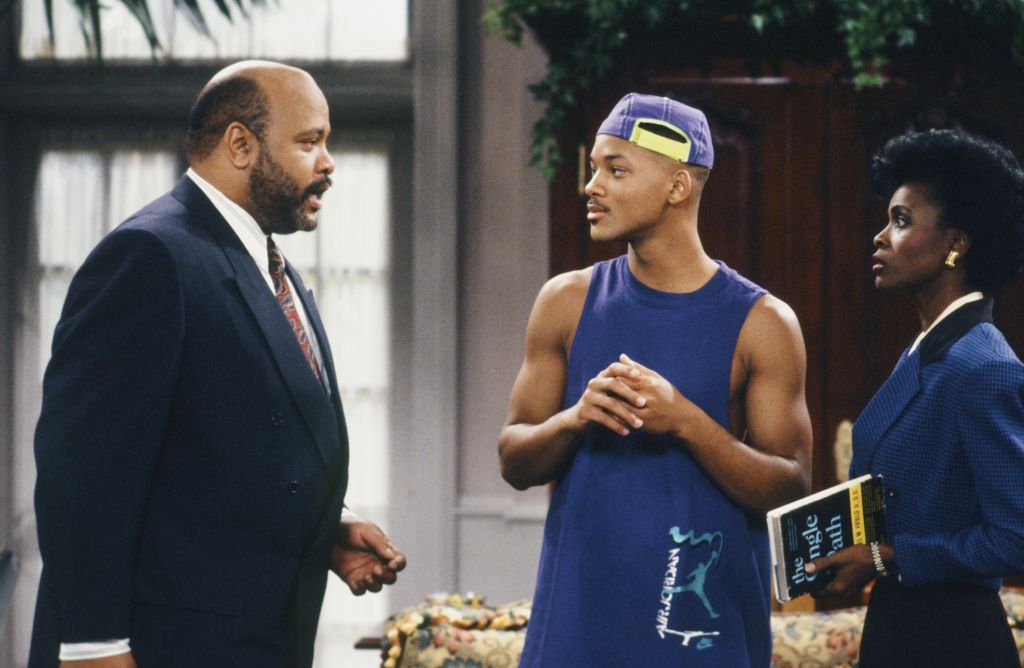
THE FRESH PRINCE OF BEL-AIR -- "Def Poet's Society" Episode 7 -- Pictured: (l-r) James Avery as Philip Banks, Will Smith as William 'Will' Smith, Janet Hubert as Vivian Banks -- Photo by: Ron Tom/NBCU Photo Bank
By Renee Fontaine, PowerVault Staff
In a time when nostalgia reigns supreme and networks are scrambling to revive the classics, we find ourselves reminiscing about the golden age of Black sitcoms in the ’90s. Shows like ‘The Fresh Prince of Bel-Air,’ ‘Living Single,’ and countless others not only entertained us but also shaped our cultural identity and social discourse. These programs are more than just relics of a bygone era; they are cornerstones of Black representation that we, as a community, refuse to let go of.
For those who might not grasp the significance of these sitcoms, it’s essential to understand the landscape of television during the ’90s. At a time when mainstream media often sidelined Black stories or relegated them to stereotypes, these shows emerged as a breath of fresh air. They brought authenticity and depth to our narratives, showcasing the richness of Black life through laughter, love, and camaraderie. The characters were relatable, flawed, and undeniably real, paving the way for generations of storytellers to come.
The revival of interest in these shows is telling of our current cultural climate. As we navigate a world rife with social challenges and racial injustices, it’s no surprise that audiences yearn for the comfort and familiarity these sitcoms provide. They remind us of a time when we could sit back, laugh, and escape into a world where our stories were centered and celebrated. The comedic genius of characters like Uncle Phil or Khadijah James offered not just laughs, but profound lessons on family, friendship, and resilience. In a sense, they were our teachers, imparting wisdom that still resonates today.
Looking through the lens of history, we see a cyclical pattern in media consumption — moments when the past resurfaces to provide solace and connection. The popularity of ’90s Black sitcoms mirrors the way hip-hop has evolved over the decades, with artists drawing inspiration from earlier sounds to create something fresh yet familiar. Today’s creators are pulling from the well of these iconic shows, crafting new narratives that echo the themes of love, struggle, and triumph that defined the originals. The connection is palpable, as we seek to carve out space for our voices and stories in a contemporary landscape that still grapples with erasure.
As we look to the future, we must consider how these classic sitcoms inform the next generation of storytelling. With platforms like Netflix and Hulu reviving old favorites, there’s an opportunity to introduce these gems to a new audience while encouraging fresh perspectives that honor their legacy. The conversation doesn’t stop with nostalgia; it evolves into a powerful dialogue about the importance of representation in media today. We must keep pushing for authentic portrayals and complex narratives that reflect our reality while paying homage to the trailblazers who came before. In this ever-changing media landscape, one thing is certain: the spirit of ’90s Black sitcoms lives on, shaping our culture and inspiring us to keep telling our stories.
About The Author