By Andre Coleman, PowerVault Staff
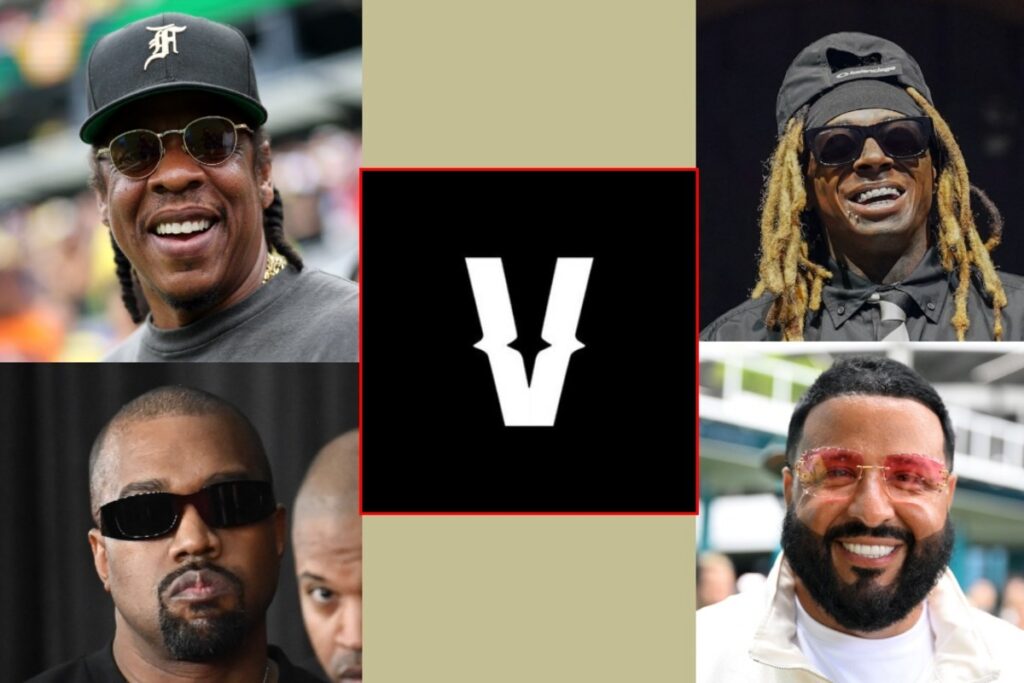
The Verzuz platform has reshaped the way we celebrate hip-hop and R&B legends, bringing artists together in a virtual arena that highlights their contributions to the culture. Yet, as the list of artists who might never grace the Verzuz stage continues to grow, it begs the question: who gets left behind in this digital celebration? Recent discussions reveal that there are numerous talented rappers and producers whose absence from the Verzuz lineup could be attributed to various factors, including industry politics, personal choices, and the very nature of their artistry.
To understand this phenomenon, we must consider the origins of Verzuz. Launched during the pandemic as a way to connect fans with their favorite artists, it provided a space for nostalgia and competition alike. However, this celebratory environment also reflects the gatekeeping that persists in the hip-hop world. Not every artist garners the same spotlight, and some are left to navigate an industry that frequently overlooks their impact. The absence of certain figures from this platform highlights a broader issue about recognition and representation in the industry, leading us to question who truly deserves to be celebrated and by whom.
PowerVault believes that the artists missing from Verzuz speak volumes about the culture’s complexities. It’s not merely about sales or mainstream success; it’s about the stories, struggles, and sounds that resonate within our communities. These artists, often relegated to the shadows, have powerful narratives that deserve amplification. By excluding them, we risk diminishing the richness of hip-hop, allowing a narrow lens to define what success and artistry look like. It’s an invitation to examine the criteria for inclusion and to push back against a landscape that frequently prioritizes the familiar over the unique.
This bears resemblance to the early 2000s, a time when certain artists flourished while others faded into the background. Take the example of East Coast versus West Coast rivalry — the narrative often overshadowed the contributions of Southern artists. It wasn’t until later that we began to appreciate the diverse sounds and stories that shaped hip-hop across the nation. Similarly, today’s Verzuz experience could be a gateway to exploring the vastness of talent that exists beyond the mainstream confines. It’s imperative that we expand this focus to ensure that all voices are valued equally.
As we look to the future, the challenge remains: how do we ensure a platform that embraces the entirety of our culture? The emergence of new formats and avenues for artists to connect with their audiences can provide an opportunity for those who have yet to grace the Verzuz stage. As listeners, it’s on us to demand inclusivity and champion artists whose work deserves recognition. What we need to see next is a movement that celebrates the underground, the overlooked, and the unsung heroes of hip-hop. After all, the story of our culture is rich and multifaceted, and every artist has a place in that narrative.
About The Author