By Jasmine Reed, PowerVault Staff
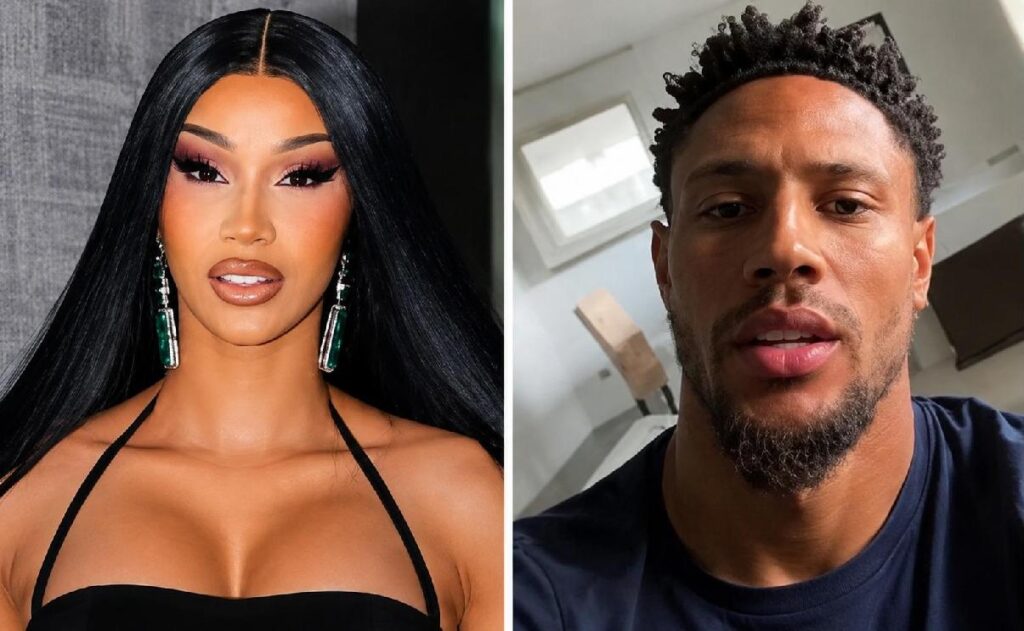
Rumors are swirling that Cardi B might be enjoying a new romance with Nigerian footballer Maduka Okoye, following a string of public outings that have fans buzzing. While this new chapter in Cardi’s life is undeniably intriguing, it comes against a backdrop of significant changes in the media landscape and ongoing issues of racism within sports and entertainment. Ryan Clark’s exit from ESPN, a platform that has been pivotal for Black voices in sports commentary, adds another layer to the narrative, reflecting the constant shifts that can affect representation in major media.
To fully grasp the excitement surrounding Cardi B’s rumored romance, we need to consider the cultural impact she has had since her rise to fame. Cardi B, the unapologetically bold icon, has become a symbol of empowerment for many in the Black community, artfully navigating the worlds of music and social media. Her relationships, whether romantic or professional, often become a reflection of broader cultural conversations, demonstrating that love, success, and identity are dynamic and constantly evolving. If Cardi and Maduka are indeed an item, it could signify not just a personal connection but also a bridging of cultures in the public eye, showcasing the beauty of black love on a global scale.
Yet, as we celebrate this potential new romance, Ryan Clark’s departure from ESPN serves as a sobering reminder of how fragile representation can be. Clark has been a standout figure in sports media, bringing authenticity and depth to his commentary as a former player turned analyst. His exit raises questions about the treatment of Black talent in spaces that have historically been dominated by white voices. It’s disheartening to think that as some figures rise in prominence, others might be pushed out, echoing the struggles faced by many in the industry. This cycle of visibility and invisibility is not new, but it is crucial for us as a community to demand accountability and to continue advocating for strong representation in all sectors.
Looking back at the past, we can’t help but draw parallels between Ryan Clark’s situation and the exits of other prominent Black figures in media. Think about the short-lived careers of many talented Black journalists and commentators who’ve faced similar challenges. Their departures often reveal systemic issues in how the media industry operates, especially when it comes to Black voices being heard and respected. The narrative of struggle and perseverance is woven tightly into the fabric of our history, making the stories of individuals like Clark both critical and telling.
As we navigate these developments, the conversation around Black excellence must remain at the forefront. We should celebrate the beauty of relationships like those between Cardi and Maduka while also recognizing and addressing the challenges faced by figures like Ryan Clark. As we look ahead, we must keep a close eye on how these narratives unfold. Will Cardi B continue to break barriers and redefine love on her own terms? Will Ryan Clark’s exit spark a much-needed conversation about diversity and representation in sports media? The next few weeks will be telling, and it’s our job as a community to engage, uplift, and demand a future where every voice is heard and every love story is celebrated.
About The Author