By Renee Fontaine, PowerVault Staff
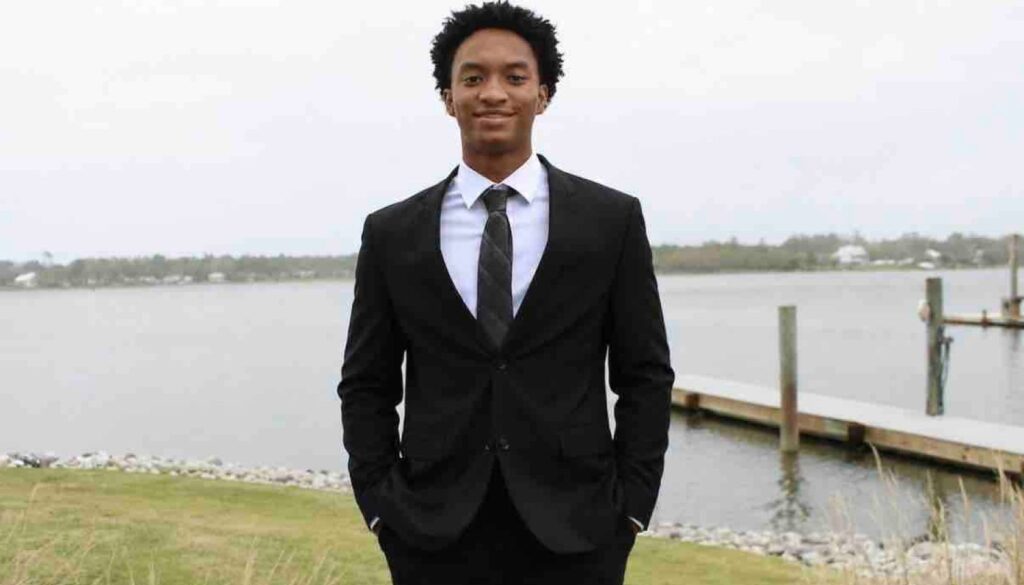
The recent emergence of a video that could be the last moments of Nolan Wells before his tragic death has sent shockwaves through our communities. As we process this heartbreaking news, Wells’ family and friends are calling for justice, questioning how a young Black man could simply vanish and then die under such mysterious circumstances. It’s a situation that evokes anger and disbelief, reminding us yet again of the systemic failures that often leave Black lives at the mercy of indifference.
To grasp the gravity of this moment, we need to delve into the context surrounding Wells’ disappearance and eventual death. Nolan, like so many others, was a vibrant part of our community, with dreams and aspirations that were tragically cut short. His story is not an isolated incident; it resonates with a broader narrative of Black individuals who face disproportionate risks and challenges in a society that often overlooks their humanity. The lack of immediate, thorough investigations into cases involving Black individuals speaks volumes about the systemic biases that persist in our justice system.
What does this mean for our culture and community? It’s a painful reminder of the urgent need for justice, not just for Nolan Wells but for countless others who have suffered similar fates. The emotional weight of these events cannot be understated; they’re not just headlines but painful realities that families carry with them forever. The calls for accountability echo through our neighborhoods, igniting conversations about how we can advocate for one another and ensure that every Black life is valued and protected.
This situation is reminiscent of past incidents that sparked outrage and mobilization within our communities. Think of the public outcry following the deaths of George Floyd or Breonna Taylor—moments that forced us to confront the violence faced by Black individuals. Each case serves as a stark reminder of the work that still needs to be done. Our collective grief can be transformed into action, igniting a movement that calls for systemic change within the institutions that are meant to protect us.
As we look ahead, we must remain vigilant. The discussions ignited by Nolan Wells’ death must not fizzle out. Activism should flourish, demanding transparency and accountability from those in power. We need to continue elevating stories like Nolan’s, ensuring that they are not reduced to mere statistics but are seen as part of a larger struggle for justice. In a world that often tries to silence our voices, we must keep speaking out, advocating for a future where every Black individual can exist without fear of violence or neglect. Nolan’s legacy can be a catalyst for change, inspiring us to fight for justice, not just for him, but for all of us.
About The Author