By DeShawn Price, PowerVault Staff
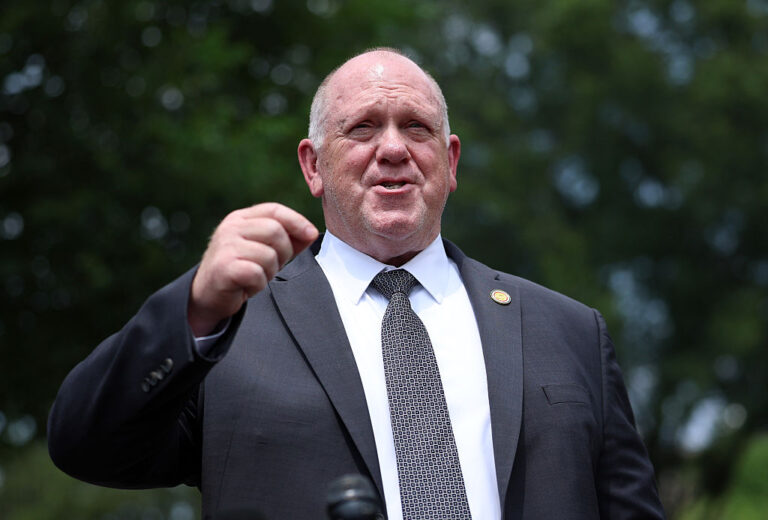
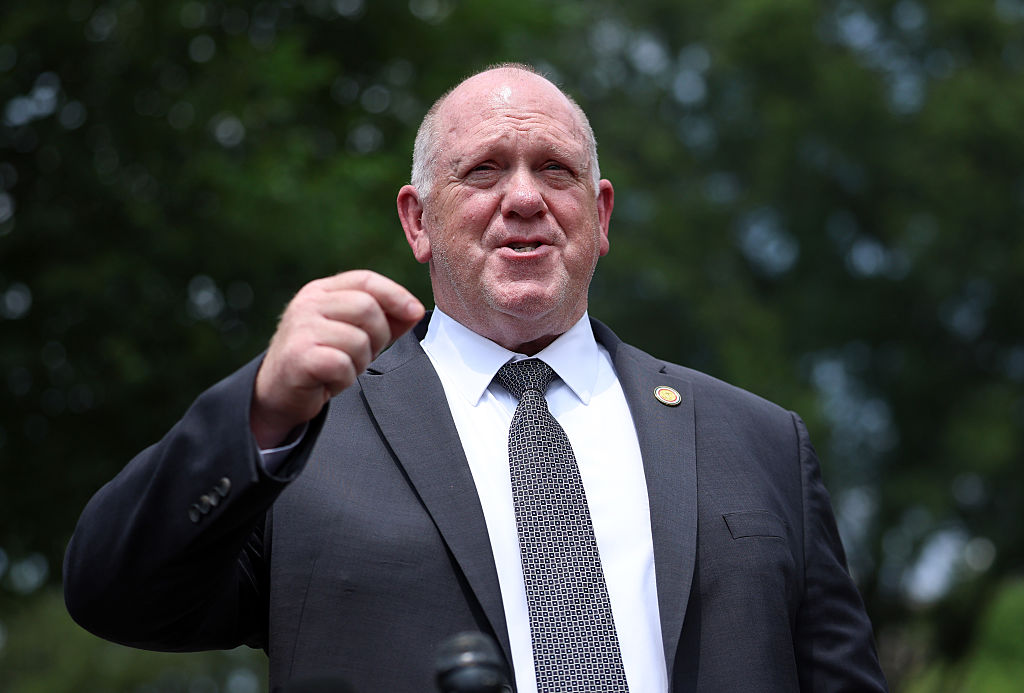
In a chilling revelation, former Immigration and Customs Enforcement (ICE) chief Tom Homan recently acknowledged a glaring issue regarding the killing of Mexican immigrant Lorenzo Salgado Araujo in Houston. During a press conference, Homan admitted that if the agents involved failed to identify themselves before using lethal force, then there’s a serious problem. This statement is not merely a passing acknowledgment; it’s a stark reminder that in America, the lives of immigrants and people of color are often treated as disposable, especially in the eyes of those sworn to protect and serve.
Lorenzo Salgado Araujo, an immigrant seeking a new life, is not just a statistic in a larger narrative of violence and systemic injustice; he is a representation of the countless lives that become collateral damage in the ongoing conflict between law enforcement and marginalized communities. This incident is part of a distressing pattern across the nation, where the militarization of police forces, particularly in immigrant communities, leads to fatal outcomes. As we reflect on this tragedy, it’s essential to understand the climate of fear and distrust that defines the immigrant experience in America, especially for those who come from countries plagued by violence and instability.
The implications of Salgado’s death extend beyond the individual; they reverberate through our communities, igniting conversations around the intersection of race, immigration, and law enforcement. This tragic event lays bare the underlying issues of systemic racism that often go unchecked. For many in the Black and Latino communities, the fear of police isn’t just theoretical; it’s a lived reality. There’s a longstanding history of marginalized groups facing disproportionate violence at the hands of law enforcement, which leads to a profound sense of mistrust. Salgado’s death is another reminder that our lives are often seen as expendable in the pursuit of a so-called greater good.
When we compare this situation to past incidents, such as the killings of unarmed Black men like Eric Garner and Michael Brown, we see a disturbing trend—the repeated failures of those in power to hold their own accountable. Each of these tragedies serves as a painful chapter in America’s narrative of racial violence and police brutality. The common thread is the failure to humanize the individuals involved, turning them into mere headlines rather than acknowledging their humanity and the lives they led. The systemic issues breeding these outcomes have persisted for too long, leading to calls for reform that often fall on deaf ears.
Moving forward, we must ask ourselves what it will take for change to occur. Will the tragic death of Salgado be just another flicker in the long history of injustice, or will it serve as a catalyst for meaningful reform? As we advocate for accountability and justice, we must ensure that the voices of those affected are amplified. It’s vital for communities of color to come together to demand systemic change, not just in law enforcement practices but in how society values every human life. As we keep our eyes on the unfolding impact of this tragedy, let’s remain vigilant and proactive in our fight for justice and equality.
About The Author