xr:d:DAFDzn2LxNs:380,j:31550060644,t:22072616
By Simone Walker, PowerVault Staff
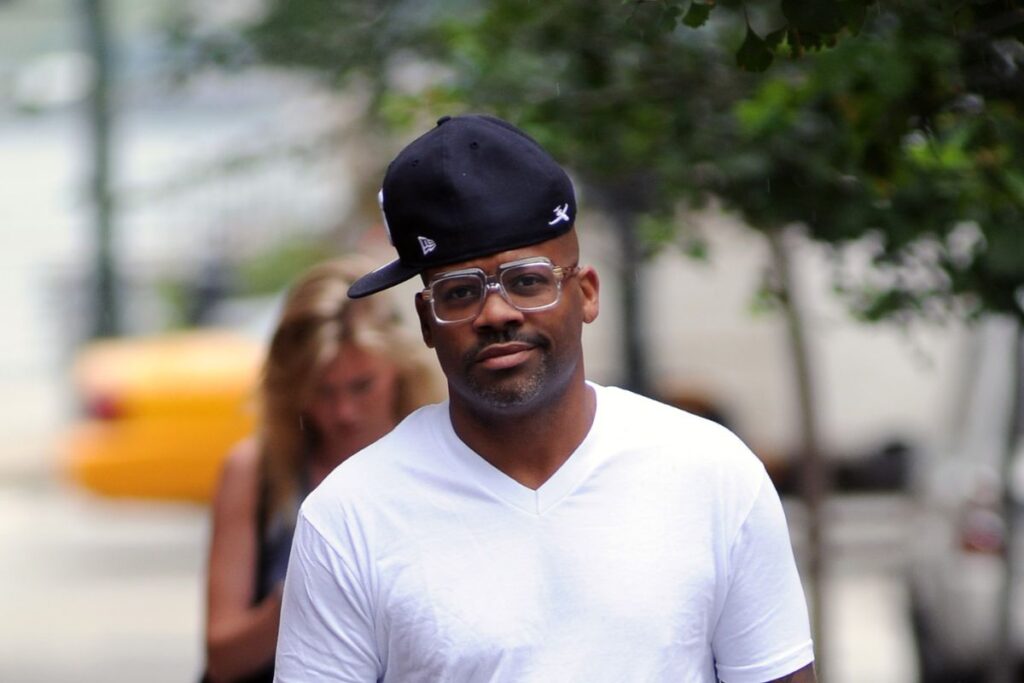
In an unprecedented move, Dame Dash has decided to halt the release of his long-awaited Roc-A-Fella documentary until he hears from Jay-Z. Rather than allowing the narrative to unfold without Jay’s input, Dame is taking a stand that is equal parts principled and personal. This decision speaks volumes about their fraught relationship and underscores deeper issues surrounding ownership, legacy, and the power dynamics in hip-hop.
To fully grasp the weight of this decision, we need to remember the history behind Roc-A-Fella Records. Founded by Dash, Jay-Z, and Kareem ‘Biggs’ Burke in the late ’90s, the label changed the course of hip-hop. It wasn’t just a record label; it was a cultural movement. Yet, the relationship between Dash and Jay-Z has been marred by public disputes, financial disagreements, and a series of betrayals that have played out in interviews and social media. The documentary was intended to be a celebration of that legacy, but it appears that without Jay’s voice, it feels incomplete to Dame. This isn’t just about telling a story; it’s about ensuring that every chapter reflects the truth as they both know it.
From PowerVault’s perspective, this standoff is a significant moment in hip-hop that embodies the tension between collaboration and individual ownership. In a culture where narratives are often dictated by the loudest voices, Dame’s insistence on having Jay’s say is a bold reminder that authenticity matters. It challenges the notion that legacy can be constructed unilaterally. As artists and creators, they have a duty to ensure that their stories are not just told, but told rightly. This is particularly poignant in the context of the broader entertainment industry, where the voices of Black creators have historically been sidelined or manipulated.
Looking back, we can draw parallels to events like the fallout between producer J Dilla and the hip-hop group Slum Village. Dilla’s struggle for acknowledgment amid creative validation mirrors Dame’s insistence on shared authorship. Both situations reveal the complexities of collaboration in the creative space. In an industry where ego often prevails, these instances remind us of the importance of community, context, and mutual respect.
As we watch this situation unfold, we can’t help but consider what it signals for the future of hip-hop. How many other projects are being held hostage by unresolved personal issues and unresolved histories? Will more artists begin to prioritize authenticity over financial gain, leading to a renaissance of transparency and unity in a genre often characterized by its divisions? The dialogue ignited by Dame and Jay-Z’s ongoing saga has the potential to reshape how we view the ownership of art, the politics of narrative, and the hip-hop legacy we choose to celebrate. In a world where the past is often rewritten, let’s hope both men find a way to bridge the gap, honor their shared history, and finally let the Roc-A-Fella story be told.
About The Author