By Malik Carter, PowerVault Staff
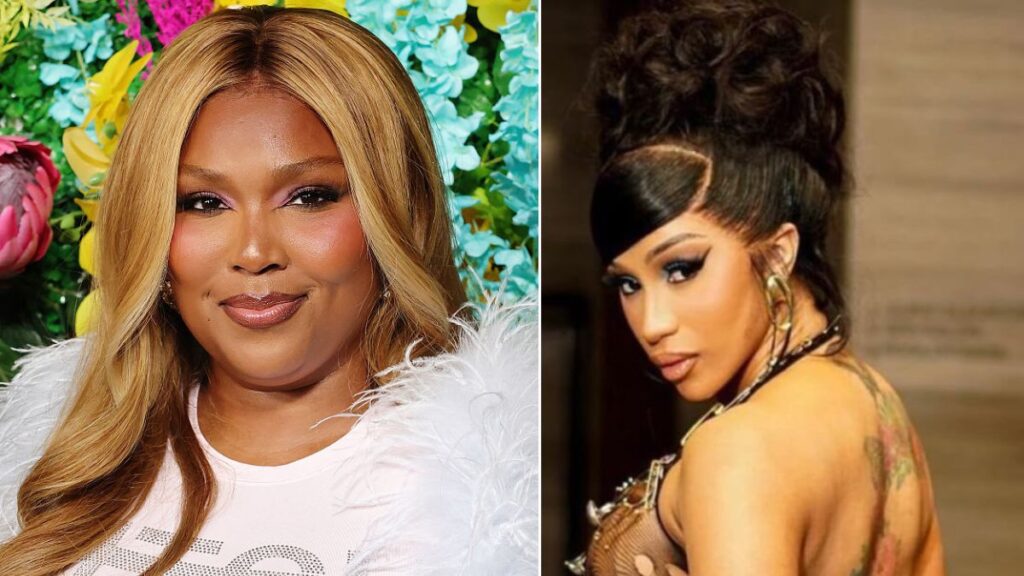
Lizzo’s much-anticipated new album is stirring up conversation, but not for the reasons she had hoped. While the Grammy-winning artist was gearing up to drop the project next month, fans have taken to social media to express their dissatisfaction, pointing out striking similarities between her new singles and Cardi B’s recent hits. This unexpected backlash reveals more than just lyrical overlaps; it highlights the ongoing struggles artists face in an industry that often prioritizes accessibility over originality.
To fully understand what’s happening, we need to rewind a bit. Lizzo burst onto the scene with her unique blend of self-love anthems and soulful pop, carving out a space that celebrated body positivity and Black womanhood. Her rise came with critical acclaim and commercial success, but it didn’t shield her from the harsh realities of the music business. As she prepares for her album release, the question of her label’s support looms large. In a culture that thrives on newness and trendiness, the pressure to keep pace with contemporaries like Cardi B can be suffocating, and it raises eyebrows when an artist’s creative voice starts to echo that of another.
This moment serves as a wake-up call to the industry at large. Too often, the music machine leans into formulas that prioritize mass appeal over genuine artistry. Lizzo’s situation reflects a broader pattern where Black female artists are funneled into similar sonic territories, leading to comparisons that can diminish their unique contributions. Instead of amplifying their distinct voices, the industry risks pigeonholing them into roles that feel more like carbon copies than celebrations of individuality. It’s a reminder that, while collaboration can be fruitful, it can also blur the lines of authenticity.
Looking back, we can draw parallels to the early days of Nicki Minaj, who faced her own wave of comparisons as she navigated the complexities of her brand in a landscape dominated by male influences. Nicki’s evolution demonstrated the power of resilience and the importance of carving out one’s identity, no matter the obstacles. In contrast, Lizzo’s current dilemma might represent a new chapter in this ongoing narrative of Black womanhood in hip-hop and pop—where the need for originality clashes with the industry’s commercial motivations.
As we watch Lizzo navigate this pivotal moment, it will be interesting to see how she responds to the criticisms and whether her label will step up to champion her unique sound. The bigger picture is clear: our artists need to reclaim their narratives and innovate rather than imitate. In an age where streaming algorithms often dictate trends, we must advocate for artistic integrity and support those who dare to be different, lest we risk losing the diverse tapestry of voices that make the culture what it is. The coming weeks will be telling, and we should keep a close eye on both Lizzo’s journey and the industry’s evolving relationship with creativity.
About The Author