By Tanya Brooks, PowerVault Staff
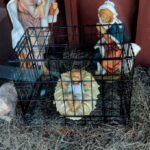
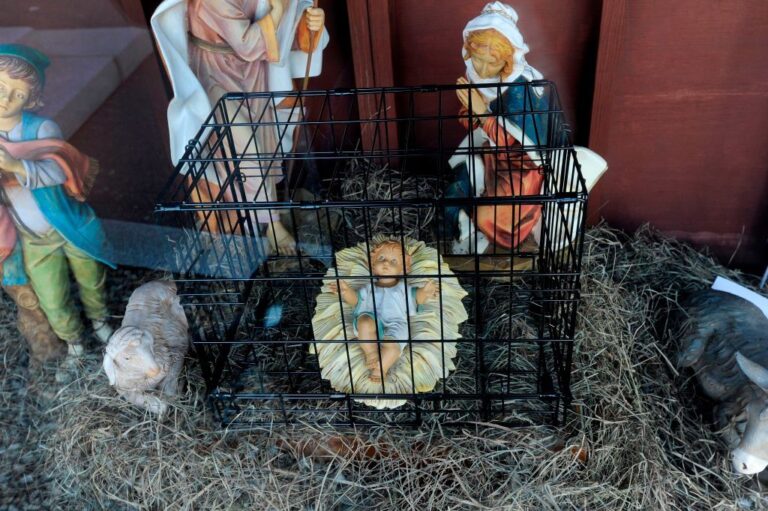
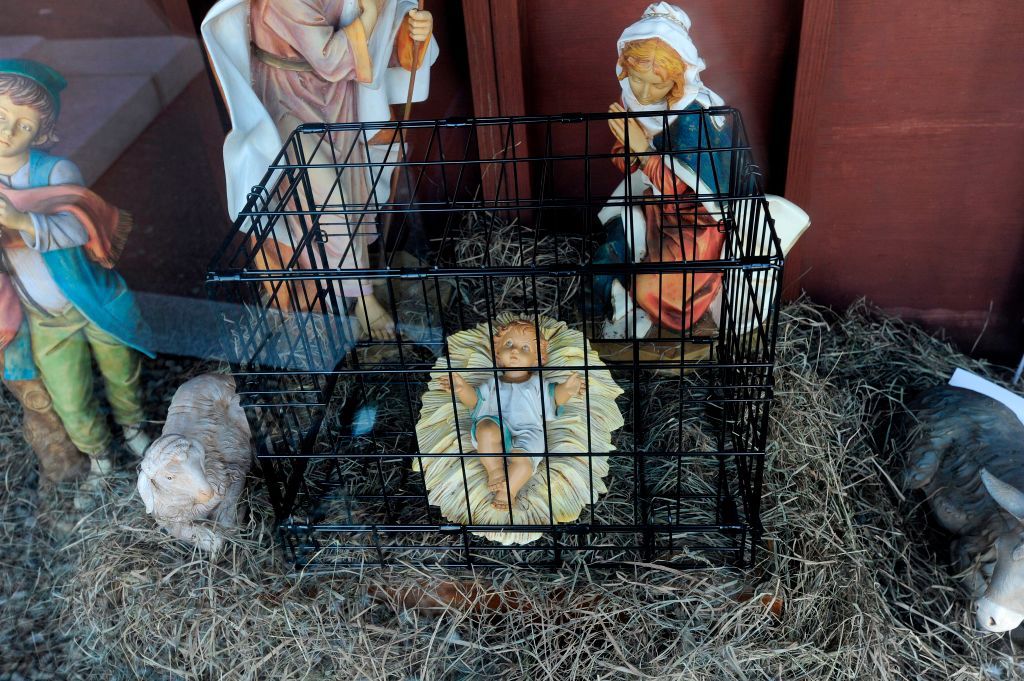
In a powerful act of defiance against the U.S. Immigration and Customs Enforcement (ICE), St. Susanna Parish in Dedham, Massachusetts has chosen to display a Nativity scene that boldly incorporates an anti-ICE message. This is not just a holiday decoration; it’s a reflection of the community’s commitment to standing against the oppressive forces that seek to tear families apart. As the church refuses to back down in the face of criticism, it raises questions about the role of faith in the fight for justice and the moral imperatives that guide us as a society.
To truly understand the significance of St. Susanna Parish’s action, we must consider the current socio-political climate surrounding immigration in the United States. Under the banner of national security, policies have been enacted that prioritize deportation and family separation, creating a humanitarian crisis that has devastated countless lives. In this context, the church’s display becomes a poignant symbol, aligning the story of Jesus’ birth—where immigrants sought refuge—with the plight of today’s marginalized communities. It serves as a reminder that faith, at its core, calls us to advocate for the oppressed rather than turn a blind eye.
PowerVault believes this bold move by St. Susanna is more than just an act of protest; it taps into a broader cultural narrative where faith intersects with social justice. For many in the Black community, our history is steeped in resistance against systemic oppression—whether that be through civil rights activism or everyday acts of resilience. To witness a predominantly white institution, like a Catholic parish, take such a stand is not only refreshing but also crucial. It underscores the idea that allyship is not just a passive stance; it is an active commitment to dismantling the structures that harm our communities.
This moment also echoes the resistance seen during the Civil Rights Movement, where churches served as sanctuaries and mobilization hubs for those fighting for equality. Just as Black churches stood against segregation and injustice, today we see faith communities taking a similar stance in the face of ICE’s aggressive policies. It’s a reminder that spiritual spaces can champion social change and that the fight for justice transcends religious boundaries. This is a collective struggle—one that includes voices from all backgrounds advocating for a just society.
As we move into the new year, it will be crucial to keep an eye on the impact of this Nativity scene and similar actions across the nation. Will more faith communities rise to the occasion, or will backlash silence their calls for justice? The narrative surrounding immigration reform is shifting, and St. Susanna has opened a door for dialogue that cannot be ignored. As we celebrate the resilience of families and communities this holiday season, let’s remember that our faith must compel us to act—not just pray—and embrace the radical love that Jesus exemplified.
About The Author