By Jasmine Reed, PowerVault Staff
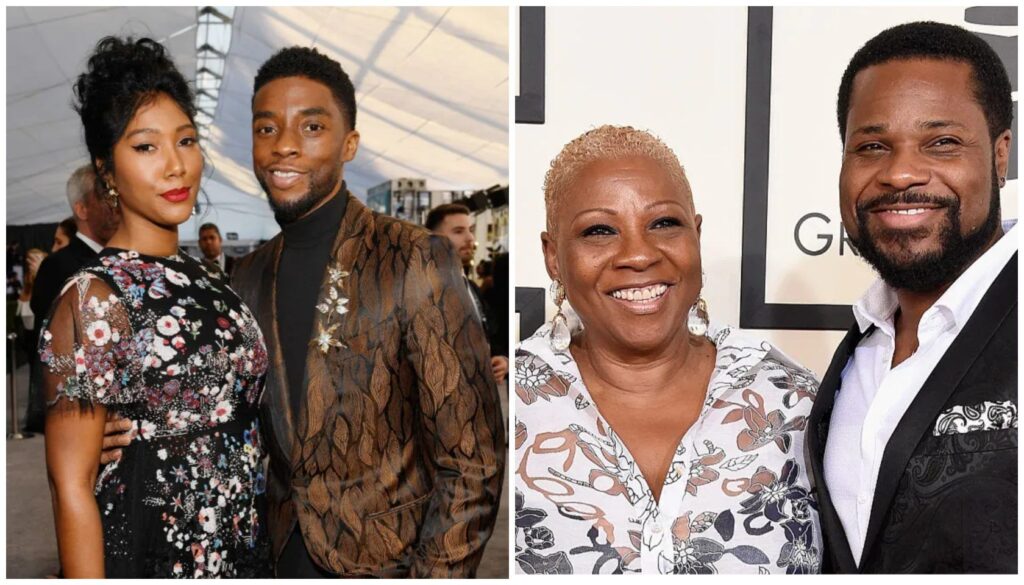
Recent estate battles involving beloved Black figures like Chadwick Boseman and Malcolm-Jamal Warner serve as stark reminders of a painful reality: love alone can’t shield us from the harsh realities of probate court. Boseman’s widow, Taylor Simone Ledward, has found herself entangled in a legal struggle over her late husband’s estate, while Warner faces challenges in ensuring his children’s future amidst legal complexities. These cases highlight an urgent call for Black women, and indeed all individuals in our community, to confront the often-overlooked aspects of financial planning and estate management.
To fully grasp the weight of these battles, we have to delve into the context. Chadwick Boseman, a titan in the industry and a beacon for Black representation in film, passed away suddenly from colon cancer in 2020. His legacy, while monumental, now rests in the hands of courts to determine the rightful heirs to his hard-earned wealth. Malcolm-Jamal Warner, known for his iconic role in ‘The Cosby Show’ and for being an advocate for Black culture, finds himself in a similar predicament as he navigates the complexities of estate planning post-divorce. Both situations underscore a sobering truth: the systems that govern our legacies are often riddled with pitfalls that can disproportionately disadvantage Black families, particularly women.
From a cultural perspective, these battles resonate deeply within our community. We often celebrate our historical figures and contemporary icons without acknowledging the financial frameworks that support their legacies. The narratives surrounding these estates should not just be about celebrity wealth; they need to serve as a wake-up call for Black women who are frequently the emotional and financial backbones of their families. The reality is that the love we pour into our relationships doesn’t automatically translate to legal protections for our families when tragedy strikes. This moment calls for a collective shift in our mindset towards proactive estate planning, ensuring that our legacies are preserved and passed on without the burden of legal entanglement.
Looking back, we can draw parallels to the estate battle of other notable figures, such as Prince, whose untimely death led to a prolonged and public struggle over his vast musical catalog. Like Boseman and Warner, Prince’s situation revealed how vital it is for artists—and by extension, their families—to have clear, actionable plans in place that go beyond their artistry. We continue to witness Black creatives navigate these uncharted waters, often leaving behind legacies fraught with contention instead of celebration.
As we turn our gaze towards the future, it’s crucial that we watch how these estate battles unfold while also demanding transparent conversations around financial literacy and estate planning in our communities. The stories of Boseman and Warner should not just evoke sympathy; they should ignite a movement toward empowerment through knowledge and action. We need to teach our families that wealth is not merely a number in a bank account; it’s a legacy that requires diligent care and foresight. As we honor our icons, let’s also commit to protecting their legacies for generations to come.
About The Author