By Andre Coleman, PowerVault Staff
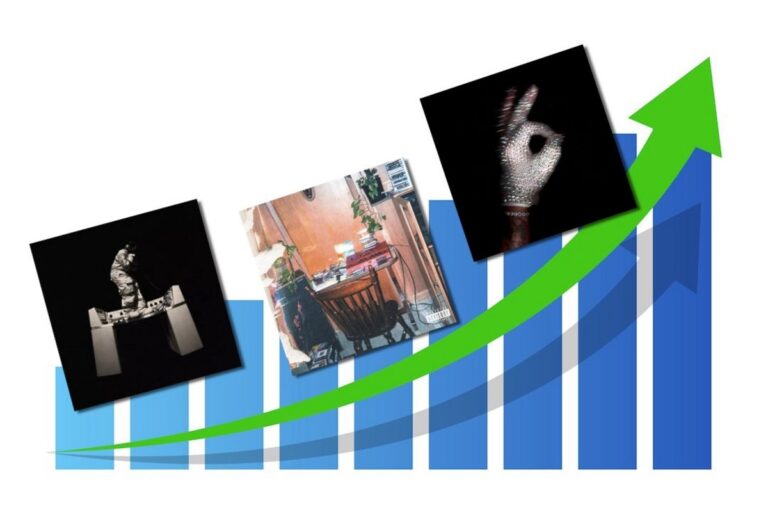
It’s the kind of excitement that makes hip-hop fans’ hearts race—the anticipation of new music from the heavyweights of the culture. As 2026 unfolds, the first-week sales figures for hip-hop albums have been nothing short of a spectacle. In this era where streaming numbers hold the same weight as physical copies once did, who came out on top and why does it matter?
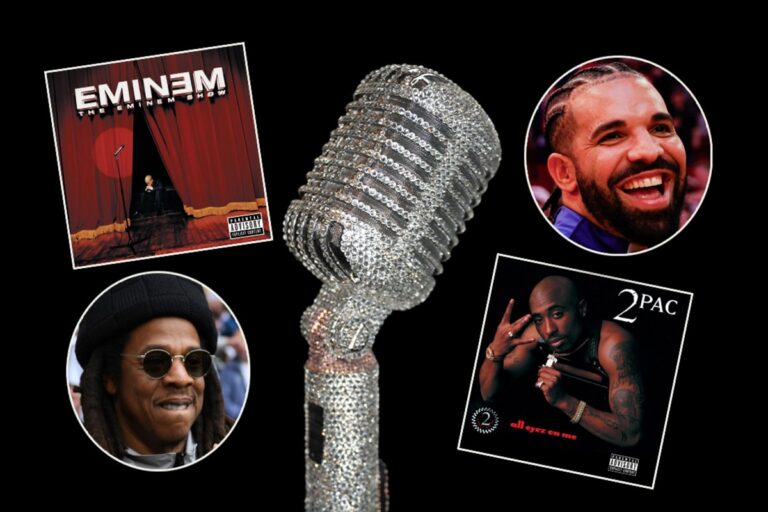
The landscape of hip-hop has always been about more than just music. It’s a reflection of culture, identity, and the hustle. In the same way that Eminem’s role in 8 Mile captured the struggles and triumphs of the underdog, these first-week sales figures tell a story of dominance, influence, and connection with the audience.
Drake, as expected, made a splash with his latest release. The Canadian rapper, known for his ability to create hits that resonate across the globe, has once again proven that his formula is nearly unbeatable. The numbers reflect not just a loyal fanbase but also an artist who knows how to stay relevant in an ever-changing industry. His ability to seamlessly blend different genres and collaborate with a diverse group of artists keeps his sound fresh and his audience engaged.
Not too far behind, Kendrick Lamar’s latest project made waves not only for its lyrical depth but also for its aggressive production. Lamar’s work continues to challenge the norms, pushing boundaries with narratives that dig deep into societal issues. It’s a reminder of how hip-hop serves as a vehicle for storytelling and activism. For fans who live and breathe the culture, Kendrick’s albums are more than just music; they are social commentaries.
As we sift through the numbers, J. Cole’s release also stands out. Known for his introspective lyricism and his ability to connect with fans on a personal level, Cole has solidified his place in hip-hop’s elite. His album captures a raw emotional core that speaks to the everyday struggles and triumphs of life, reminiscent of how Laurence Fishburne’s roles have shaped Black cinema by portraying relatable and powerful characters.
So, what do these sales numbers mean for the culture? In a world where attention spans are short and trends shift rapidly, achieving high first-week sales is a testament to an artist’s ability to capture the zeitgeist. These albums aren’t just about beats and rhymes; they’re about the stories they tell and the communities they represent.
It’s worth noting that in 2026, hip-hop is more global than ever. Artists are tapping into audiences worldwide, with collaborations spanning continents and cultures. This has allowed hip-hop to evolve, incorporating diverse sounds and stories, and ultimately, making it an even more powerful force. The influence of hip-hop, much like the enduring relevance of Medgar Evers’ 1963 speech, is profound and touches many aspects of society.
But what’s next? As we look towards the remainder of the year, one can’t help but wonder how these artists will continue to shape the narrative. Will the themes they explore push the culture forward? Will the collaborations they foster bridge gaps and bring people together? As the industry evolves, the impact of these albums will be seen not just in sales figures but in the conversations they ignite.
For now, fans are reveling in the music, dissecting lyrics, and debating the cultural significance. The numbers are just the beginning. Hip-hop continues to be a dynamic and influential genre, shaping and reflecting the world in a way that few others can. As we enjoy the music of 2026, let’s not forget that each track is a piece of history in the making.
About The Author