By Simone Walker, PowerVault Staff
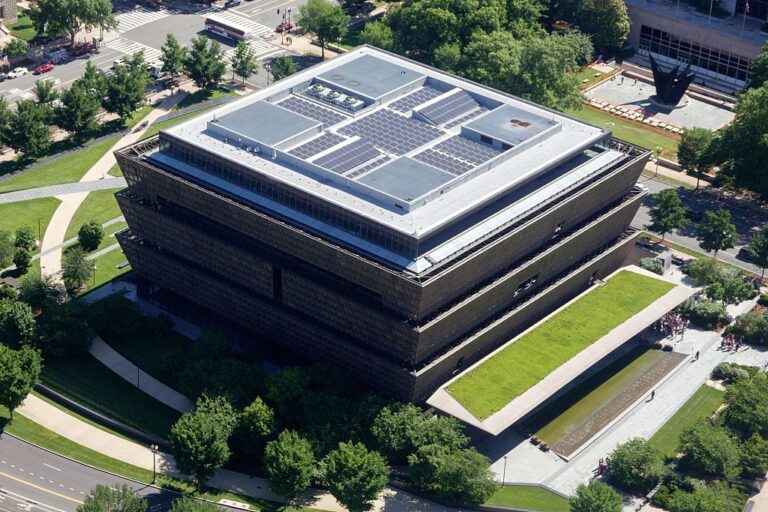
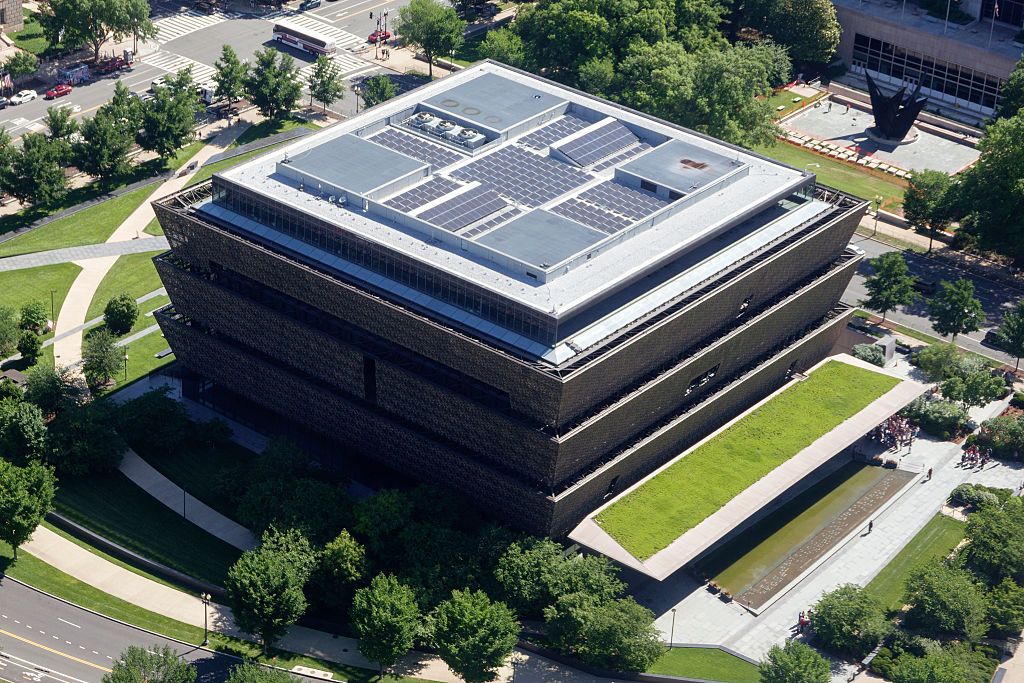
Picture this: the sanctity of the National Museum of African American History and Culture, a hallowed ground for Black history, suddenly becomes an impromptu refuge for the very crowd that often stands in stark opposition to its values. It sounds like the plot of a surreal movie, but this scene unfolded recently when a group of MAGA supporters found themselves seeking shelter within the Blacksonian, as it’s affectionately known, due to inclement weather. The irony was palpable, and it left us reflecting on the deeper implications of such an encounter.
The museum, often referred to as a cornerstone of Black excellence and history, stands as a testament to the struggle and triumphs of African Americans through the centuries. It’s a place where visitors engage with the raw truths of slavery, the powerful narratives of the Civil Rights Movement, and the rich tapestry of Black culture and achievement. Yet, on this particular day, it was filled with individuals whose ideologies often clash with the very essence of the museum’s mission.
For many in the community, this unexpected turn of events felt like a desecration of sacred space. The museum is a safe haven, a place for reflection, understanding, and celebration of Black identity. The arrival of MAGA supporters, with their hats and slogans, felt invasive, like an uninvited guest crashing a private gathering. It prompted discussions about how spaces dedicated to Black history should be preserved and respected.
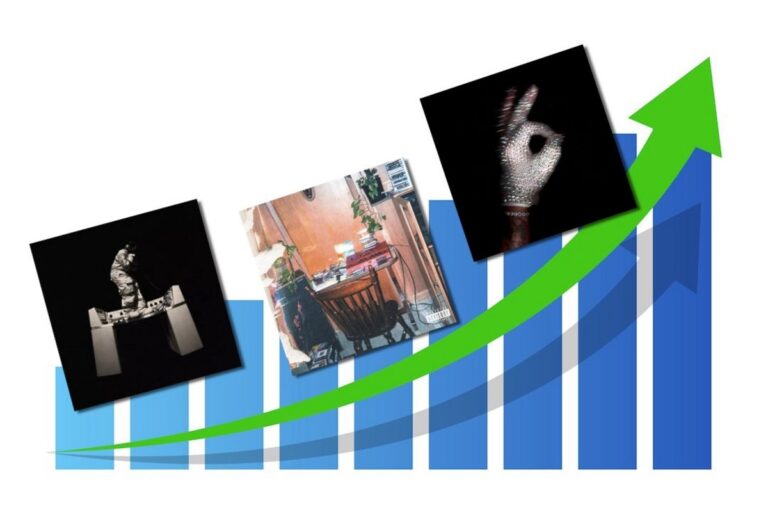
This incident is reminiscent of other moments when cultural spaces have been disrupted by contrary forces. Think back to the time when Kanye West, in his own unpredictable fashion, made headlines with his controversial statements. Kanye has been known to stir the pot with his comments, such as when he claimed that “Bully” holds more significance than iconic albums like “Graduation” or “Watch The Throne”. These moments make us ponder the importance of respecting cultural milestones and spaces, and how they can be distorted by opposing influences.
So why does this matter? It matters because it’s a reflection of the ongoing cultural and social battles we see today. The juxtaposition of MAGA supporters in the halls of the Blacksonian highlights the persistent divide in America. It’s a reminder that while some seek to preserve and honor Black history, others may not fully understand or respect its significance.
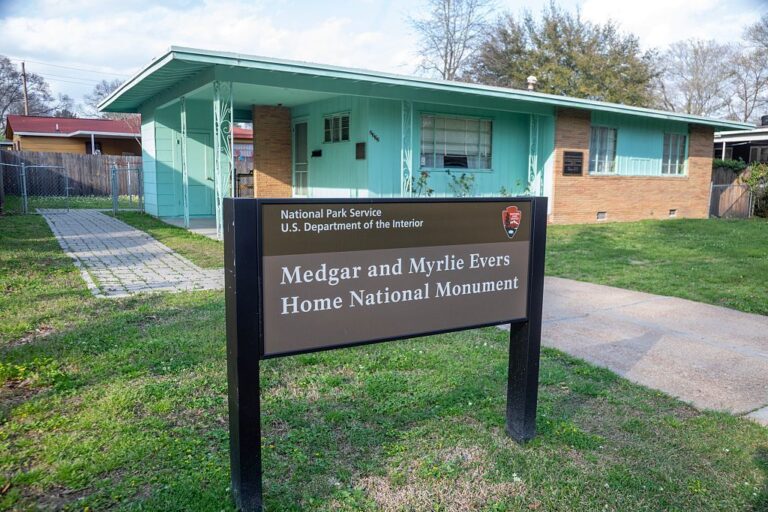
Moreover, this event underscores the need for ongoing dialogue and education. It’s not just about preserving physical spaces but ensuring that the narratives within those spaces are not co-opted or misunderstood. It’s similar to the conversations about the missing speech of Medgar Evers, an artifact of historical importance that remains elusive. The loss of such a piece of history speaks volumes about what gets preserved and what is allowed to fade away.
Looking ahead, this incident at the Blacksonian serves as a call to action. We must continue to guard our cultural spaces and ensure they remain true to their intended purpose. It’s about more than just history; it’s about identity, legacy, and empowerment. As we move forward, it’s crucial to watch how such spaces adapt and respond to external pressures, ensuring they remain bastions of Black culture and history.
In an era where cultural appropriation and ideological clashes are rampant, it’s vital to keep these discussions alive. We need to ask ourselves: How do we protect our narrative? How do we educate those who might not share our perspectives? And most importantly, how do we ensure that places like the Blacksonian remain places of learning, growth, and unity?
As the conversations around this event continue, it’s clear that moments like these matter greatly. They’re part of the larger dialogue about what it means to be Black in America and how we celebrate and protect that identity. So next time we visit the Blacksonian or any such cultural landmark, let’s remember the importance of preserving its sanctity and the stories it holds.
About The Author