By DeShawn Price, PowerVault Staff
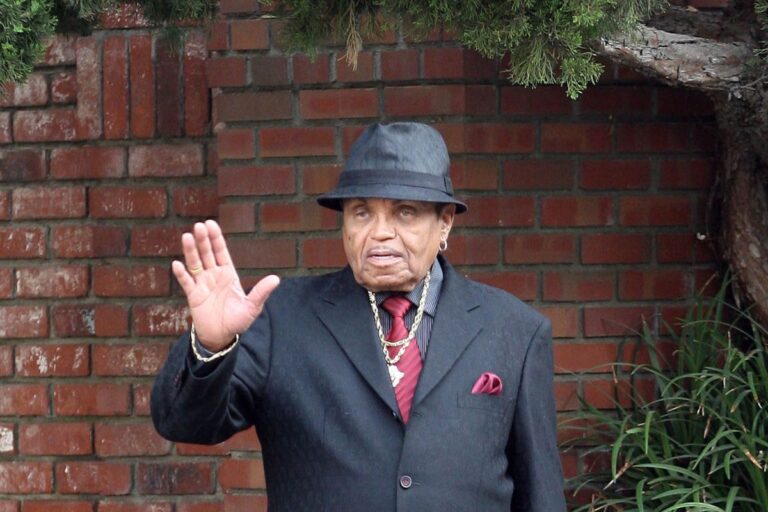
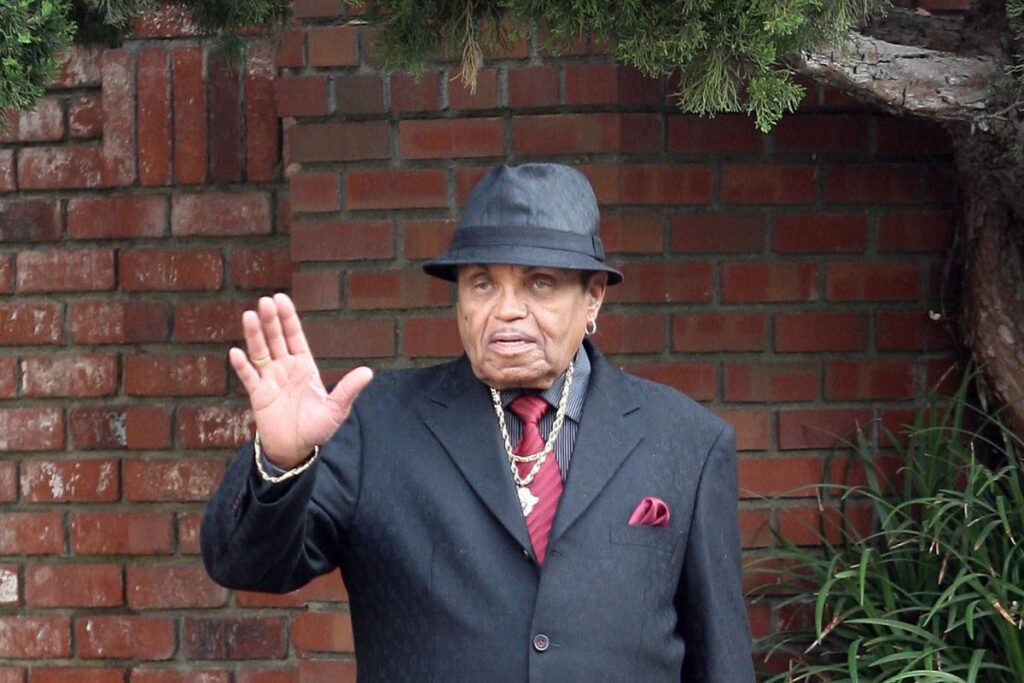
If Joe Jackson’s name rings a bell, it’s likely with the heavy clang of a harsh disciplinarian. The patriarch of the iconic Jackson family, his legacy has long been painted in stark shades of rigidity and control. But now, Marlon Jackson, one of his talented progeny, steps into the spotlight with a mission: to redefine what we think we know about his father. A new documentary series on BLK PRIME narrated by Marlon himself promises to shed new light on a man the world largely saw as a villain. But why should we even care?
In the world of Black culture and hip-hop, family dynamics often play out like a Shakespearean drama. From the Carters to the Smiths, our icons show us that behind the music and fame, there are real human stories that shape their art. The Jacksons, of course, set the prototype. Joe Jackson’s decades-long reign over his family’s career prompted admiration for his kids’ success but also criticism for his allegedly tyrannical ways. So when Marlon decides to tell his father’s story, it hits a note we can’t ignore.
Joe Jackson’s public image has been that of a strict taskmaster, a reputation built on whispers of verbal and physical abuse. But to Marlon, his father was also a man who bore the weight of being a Black father in America, striving for excellence in a time when society offered little room for it. In a world where Trump’s policies continue to impact Black economic progress (as we’ve covered in our other stories), Joe’s relentless drive for his family’s success doesn’t seem entirely unfounded.
Yet, this isn’t just a tale of family redemption. It’s a reflection on how we choose to remember complicated figures in our culture. We’re not new to this kind of narrative re-examination. Just last year, we saw a similar wave of public discourse around pivotal Black figures during Black History Month and how their stories continue to influence us today (read more here). Marlon’s documentary offers an opportunity to reassess what we think we know and perhaps find some understanding in the shades of gray.
So what does this mean for hip-hop and Black culture? Well, it might just be a reminder of the unspoken pressures and expectations that linger behind the scenes. Our legends often carry burdens unseen; they’re not just artists but also symbols of resilience. This documentary might stir up conversations not just about Joe Jackson, but about the broader narratives we hold onto tightly—about parenthood, authority, and the price of success.
As we engage with these stories, it’s crucial to remember the cultural moments that have shaped our understanding of success and failure. The Jackson family’s tale is deeply interwoven with the history of pop and soul music, defining a generation. Similar to how Laurence Fishburne’s roles have shaped Black cinema (see our coverage), Joe Jackson’s influence is undeniable—albeit controversial.
Why now? That question lingers as we think about the timing of Marlon’s project. Perhaps it’s a response to a cultural moment when we’re collectively reevaluating history, eager to fill in the gaps and question the narratives that were long handed down to us. In a way, Marlon’s documentary is part of a wider cultural reckoning—a moment of reflection that doesn’t settle for easy answers.
Looking ahead, this series could spark discussions that reverberate beyond just the Jackson family. It might inspire other artists and cultural figures to reclaim narratives long lost to public opinion. This isn’t just about Joe Jackson; it’s about the stories we tell ourselves about who we are, where we come from, and where we’re headed next. As we unravel these stories, we are bound to discover more about ourselves and the legacies we wish to leave behind.
So, stay tuned because this is one documentary that could challenge perceptions and ignite broader discussions about history, legacy, and redemption in our community. Marlon Jackson might just be offering a new lens through which to view not just his father, but the complexities of family and fame itself.
About The Author