By Renee Fontaine, PowerVault Staff
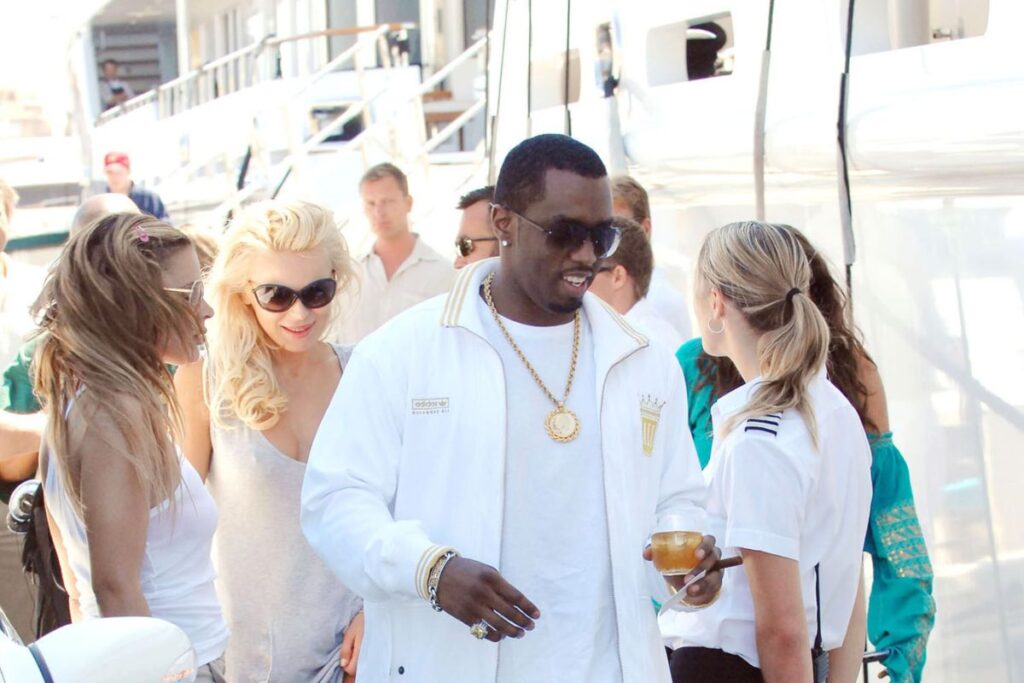
Picture this: an iconic figure in hip-hop, a mogul who redefined the genre’s landscape, allegedly linked to some of the cheapest travel arrangements for secret liaisons. The revelation that Diddy, one of the culture’s most affluent figures, might engage in such low-key travel setups for his escapades, is nothing short of a jaw-dropper. It’s the kind of story that makes you question how deep the rabbit hole goes in the world of celebrities where image is everything.
The details emerging from Clayton Howard’s court exhibits paint a picture that feels far removed from the glossy, high-end lifestyle often associated with hip-hop royalty. We’re talking economy tickets and modest hotel rooms, a far cry from the private jets and five-star accommodations that one would expect a figure like Diddy to splash on. But maybe that’s the point. Maybe it’s all about staying under the radar, blending in just enough to go unnoticed in plain sight—a strategy as old as the game itself.
But why would Diddy, with his empire and influence, resort to such means? This isn’t just a story about travel logistics; it’s a peek into the complex dynamics of privacy, power, and perception. In a culture where every move can be scrutinized and dissected, where the personal and the public often blur beyond recognition, maintaining some semblance of normalcy or anonymity can be an art form.
Let’s take a step back and consider the broader implications. This isn’t the first time the hip-hop world has seen its stars caught in situations that seem out of character. Remember the shockwaves when T.I. and Tiny renewed their vows, showcasing a different side of their relationship dynamic? Here’s the scoop on that. It goes to show that public personas often mask complex real-life stories.
These revelations about Diddy’s alleged travel arrangements invite us to reflect on the contrasts within the lifestyle of the rich and famous. The allure of a superstar’s life often comes with strings attached—expectations, pressures, and the ever-watchful eyes of fans and critics alike. The same public that celebrates an artist’s success is also quick to dissect their failures or indiscretions.
Some might argue that this entire situation is a non-issue. After all, what does it matter how someone as wealthy as Diddy chooses to travel? However, in a culture that prizes appearances and often equates financial success with personal worth, these revelations might suggest a more grounded or perhaps strategic side to the mogul. Whether it’s a matter of discretion or simply practicality, there’s something profoundly human about opting for the ordinary over the extravagant.
Historically, hip-hop has been a genre of dualities—the street versus the suite, the past versus the present. Artists have always navigated these tensions, whether it’s Lil’ Kim and her daughter stealing the spotlight at a high-fashion event here, or K. Michelle venturing into the unexpected territory of country music. Here’s what ‘Jesus & Whiskey’ means for the culture.
So, what does this all mean for the hip-hop community and Black culture at large? There’s a lesson here in the importance of narrative control. The way stories are told and retold can shape public perception and, by extension, an artist’s legacy. Recognizing the interplay between image and reality can empower artists to reclaim their stories and reshape the narratives that define them.
As we move forward, what should we watch for? This moment might just be a reminder of how multifaceted these icons truly are. The era of the untouchable, larger-than-life celebrity is slowly being replaced by a demand for authenticity, where fans crave more than just the glitz and glamor. They want the real, the raw, and the relatable.
In the end, Diddy’s travel choices, whether deliberate or for damage control, might just be another chapter in the evolving story of hip-hop’s identity. It’s a culture that’s ever-changing, where the unexpected becomes the norm, and where fans remain eager to see what comes next.
About The Author