By Jasmine Reed, PowerVault Staff
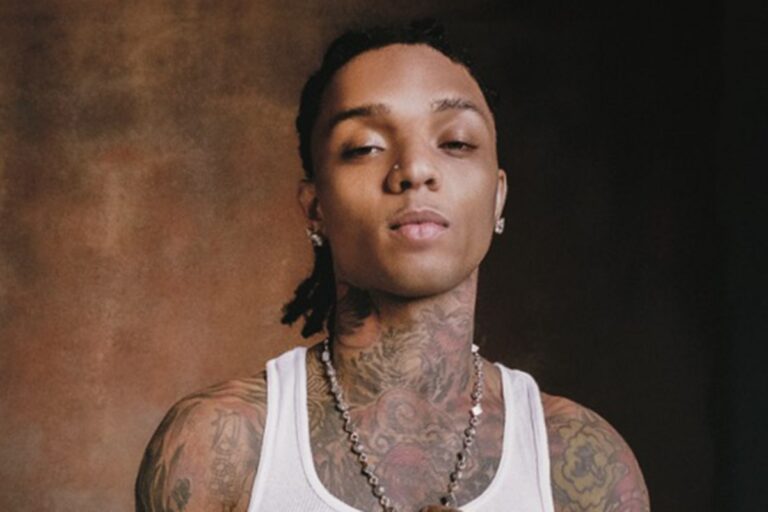
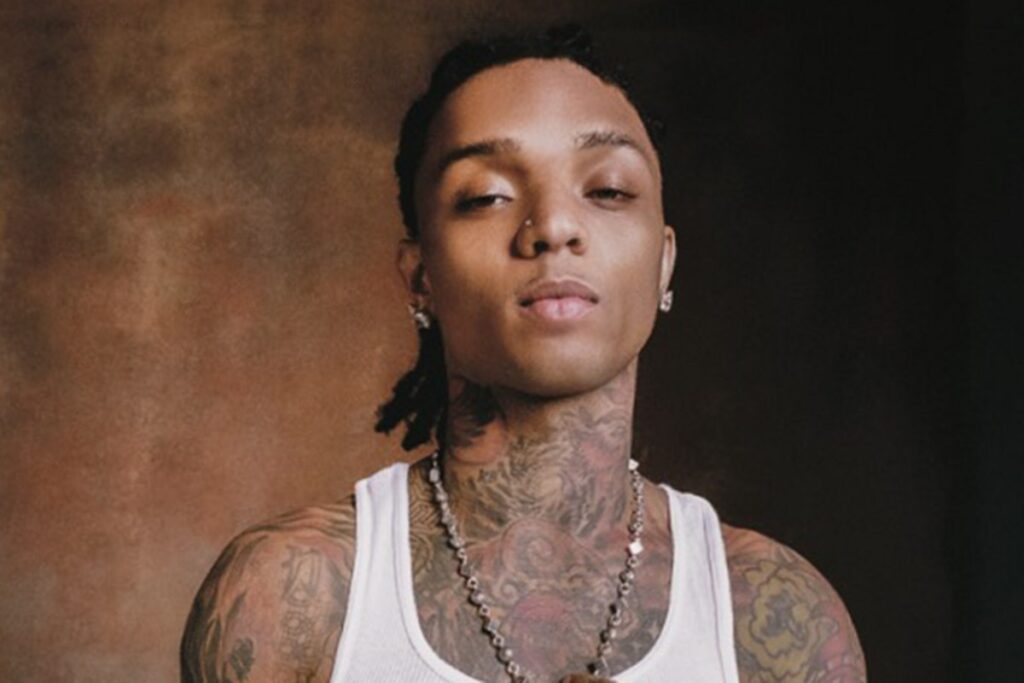
Imagine walking into a room where the essence of hip-hop culture — its beats, its raw energy, its soul — is palpable. Now, imagine that same room filled with whispers of AI integration and digital evolution. Swae Lee, one-half of the dynamic duo Rae Sremmurd, is stepping into that space, and he’s not alone. The buzz around AI in music is real, and Swae is here to talk about it, offering a fresh perspective on how this technological wave could reshape the landscape of rap groups.
For a culture that thrives on authentic expression and raw talent, the idea of artificial intelligence in music might feel like a strange fit. But Swae Lee sees potential. In a world where tech is king, he’s considering how AI could be a tool for creativity, not a replacement for it. It’s a sentiment that echoes across the industry as artists and producers explore new ways to innovate without losing the essence of what makes hip-hop unique.
Let’s take a step back and think about what rap groups have meant to the culture. From the iconic N.W.A to the versatile Wu-Tang Clan, groups have been pivotal in shaping hip-hop’s voice and narrative. They’ve given us anthems, sparked movements, and, at times, even incited controversy. So when Swae Lee talks about the future of rap groups in the era of AI, he’s touching on a legacy that’s deeply woven into the fabric of Black culture. This isn’t just about music; it’s about evolution.
The conversation around AI in hip-hop is not just about producing beats or automating lyrics. It’s about opening new channels for collaboration and creativity. It might sound like a futuristic prospect, but it’s already happening. Artists are using AI to experiment with sounds and create virtual concerts that reach audiences worldwide. Swae Lee’s curiosity about AI suggests that he’s not shying away from this trend but rather trying to understand and harness it.
This modern-day shift in the industry is reminiscent of previous cultural moments. Think back to when autotune first hit the scene. T-Pain took what many considered a gimmick and turned it into an essential tool for crafting hits. Could AI be the next autotune? Could it redefine the way we experience music, much like the rise of digital streaming platforms did a decade ago?
But there are concerns, too. The integration of AI raises questions about authenticity and the fear of losing touch with human emotion in music. Hip-hop has always been a voice for the voiceless, a platform for stories that matter. The challenge lies in ensuring that AI enhances this narrative rather than diluting it. Swae Lee’s journey into this territory could serve as a blueprint for how artists navigate these waters.
It’s not just about the music. With the rise of AI, there’s a broader conversation happening about the role of technology in our lives. It’s about economic progress, as explored in discussions about how policies impact Black economic progress. It’s about new cultural exchanges, much like K. Michelle’s exploration of country music in her latest album.
So, where does this leave us? We’re on the cusp of something big. As Swae Lee and others in the game explore these new possibilities, fans and critics alike will be watching. Will rap groups find new ways to thrive with AI, or will they cling to tradition? Only time will tell, but one thing is certain: the conversation is just getting started.
Looking ahead, this moment is pivotal. It’s a chance to redefine what it means to create, to innovate, and to connect with audiences. Whether AI becomes a staple in hip-hop or a passing phase, its impact is already being felt. As we move forward, the key will be to balance innovation with authenticity, ensuring that the culture we hold dear continues to resonate with truth and power. As Swae Lee continues to push boundaries, he’ll undoubtedly leave a mark on the future of music, reflecting the ever-evolving nature of hip-hop itself.
About The Author